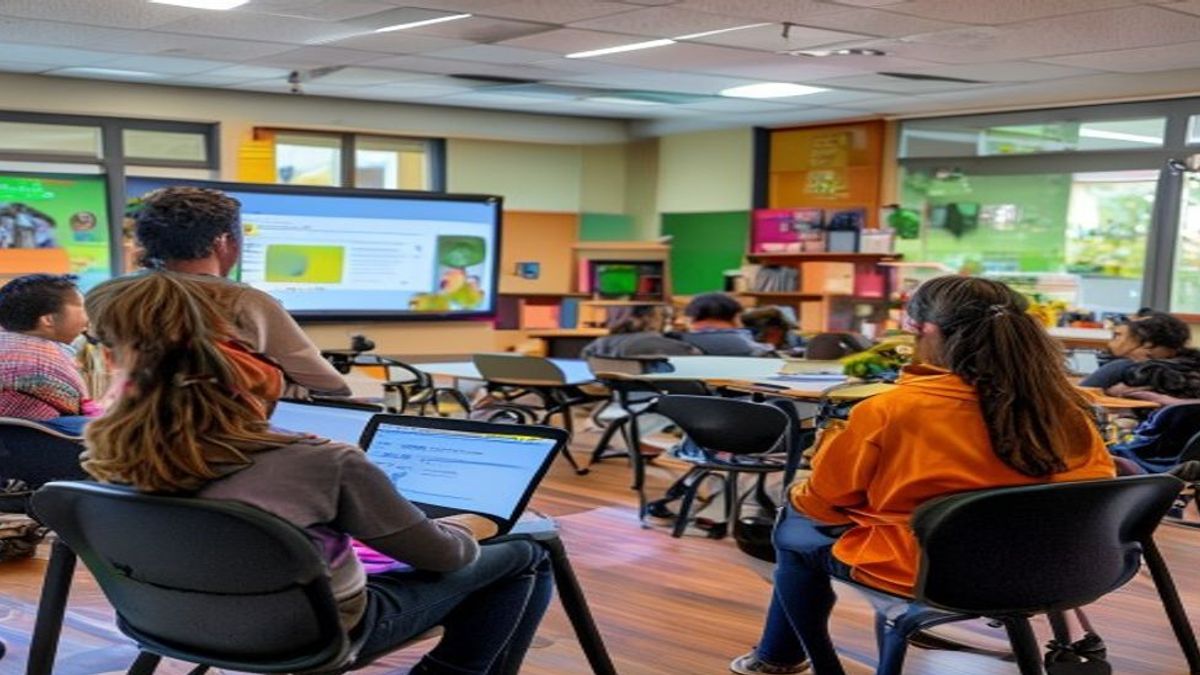
Three weeks ago, a special education teacher in Houston stared at a blank sheet of paper that never seemed to work out right. She flipped a switch on her laptop, and in less than a minute, an AI assistant generated a full lesson plan tailored to her student’s learning profile. “It’s like having a second brain in my chair,” she told a colleague. The technology didn’t finish the work; it achieved the hard part, letting her focus on the rest.
Special ed has long been a field suffocating under high expectations and thin staffing. Districts that once counted on a single specialist to manage dozens of students now struggle to keep basic coverage. Urgent funding gaps, rising insurance costs, and a national teacher shortage have turned many classrooms into multitasking theater productions. This alone explains the surge of AI pilots across the U.S., a trend that now reaches both suburban schools and under‑funded rural districts.
But here's the problem. AI’s assistance is remarkable, yet it opens a minefield of risk. Data privacy lurks in every byte of copied learning histories, and bias creeps in when the system reflects the prejudices baked into its training sets. Teachers worry that overreliance could strip their classrooms of human nuance. The technology itself is still fragile, and a single glitch can derail an entire semester’s worth of learning.
Truth is, some early studies show the system could lift the quality of work. A pilot in California evaluated over 200 personalized lesson plans and noted a 12 percent increase in student engagement. Another report, conducted by an independent think‑tank, found that teachers reported feeling less overwhelmed, translating into higher job satisfaction. Yet none of these findings panics about legal liability, so the conversation robs the status quo of a critical edge. The question remains: will organ‑like AI guide or replace the educator’s touch?
Meanwhile, legislators are drafting new rules that demand strict data controls and ethical standards for AI in education. Schools are scrambling to match technology with training, yet the learning curve is steep. Recruiting consultants who speak both pedagogy and code has become a new cottage industry. Lockstep compliance can become another layer of bureaucracy. Still, support shows that when teachers harness AI responsibly, the result can be a sharper, more inclusive curriculum that respects individual needs.
And yet, the most challenging decision confronts every classroom: who owns the plan once the AI spits it out? Is that the innovation proving the tool’s merit, or the teacher breathing life into an algorithmic output? The answer is elusive, tangled around education, law, and the very soul of instruction. The future of special ed might hinge, absurdly, on whether a software algorithm can tile the bleak gray corner of a classroom with enough color to make learning happen.