Twisha Sharma’s body sat suspended above a Bhopal bedroom, the silence broken only by the click of a camera shutter. The once radiant model, who had graced runways in Noida, had vanished a week before, leaving mystery and fear in her wake.
Neighbors recalled Samarth Singh, Twisha’s husband, missing on a quiet Friday morning. He didn’t come home. He hasn’t returned. The local police report, still under review, mentions no witnesses. For the family, the footage of the autopsy—film that never made it to the press—remains the only tangible proof of the brutal act.
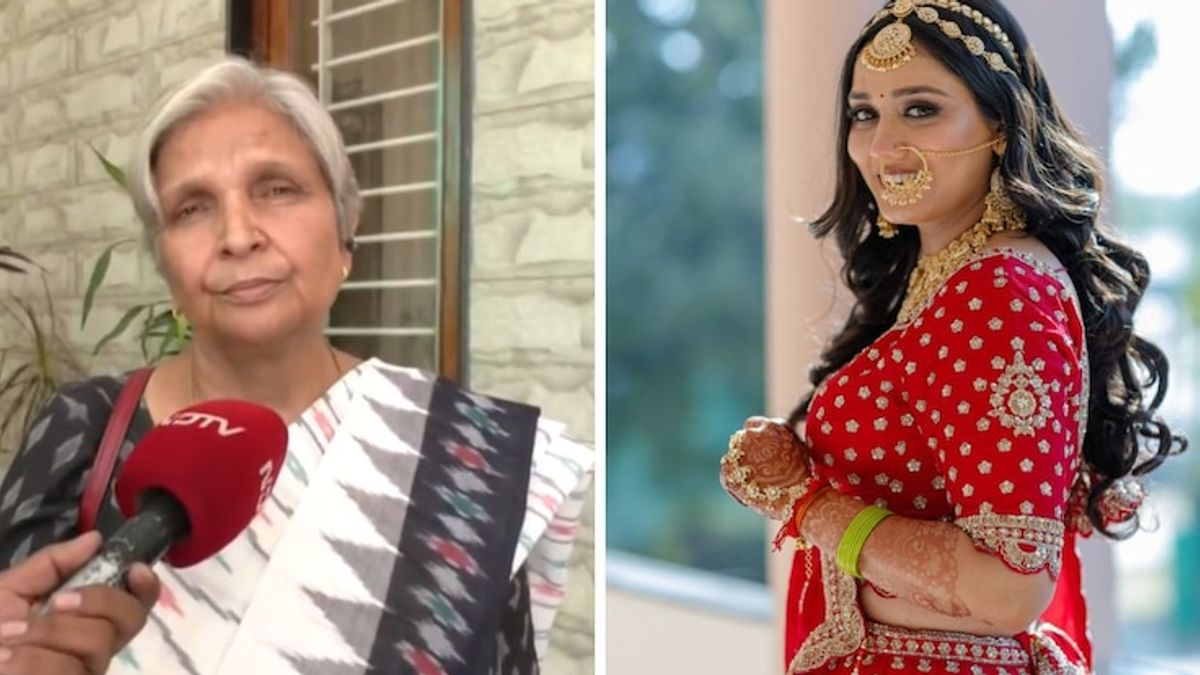
Inside that same home, voices rose. Giribala Singh, a retired judge turned mother‑in‑law, struck a venomous blow. She claimed Twisha had chosen an abortion herself and that she suffered from schizophrenia, supposedly under psychiatric care. Those words drip into the public sphere like a leak, painting a portrait of a woman no one asked to be seen. “She was a dark cloud,” Giribala said in a tired tone that echoed through the headlines. The court staff, present at a later hearing, swear that no such treatment had ever been recorded. The audience gasped. Yet the allegations persisted.
Enter the National Commission for Women. Chairperson Vijaya Kishore Rahatkar, on NDTV, slammed the remarks as a “character assassination.” She said the NCW had taken suo motu cognizance, demanding an Action‑Taken Report from the state police. The commission’s letter, directed at the Director General of Police and the Chief Secretary, calls for transparency, speed, and fairness. “We refuse to let a woman’s life evaporate on baseless claims,” Rahatkar declared, her voice cutting through the murk. That rebuttal landed with a resounding bang on social media, but the damage was already done.
The fallout ripples beyond Bhopal. Dowry harassment, still a deadly whisper in many households, surfaces again as an uneasy truth. Earlier this year, a similar case on the outskirts of Jaipur ended in tragedy, stirring a national conversation about women’s rights. Politicians, non‑profits, and even local NGOs have rallied, demanding a stricter implementation of existing laws. Now, with a former judge as the prime harbinger of hate, the city’s pulse quickens. If a retired justice can cast doubt on a victim’s character, who else might feel the sting of judgment without evidence?
Twisha’s mother, still shaking, calls the back‑handed accusations “a cruel sting.” The community stands divided. Yet beneath the surface, one question glows brighter than the city’s neon lights: Would Twisha’s life have been spared if the lamps of justice had burned earlier—if the whispers of truth had been met head on without a weapon of words?