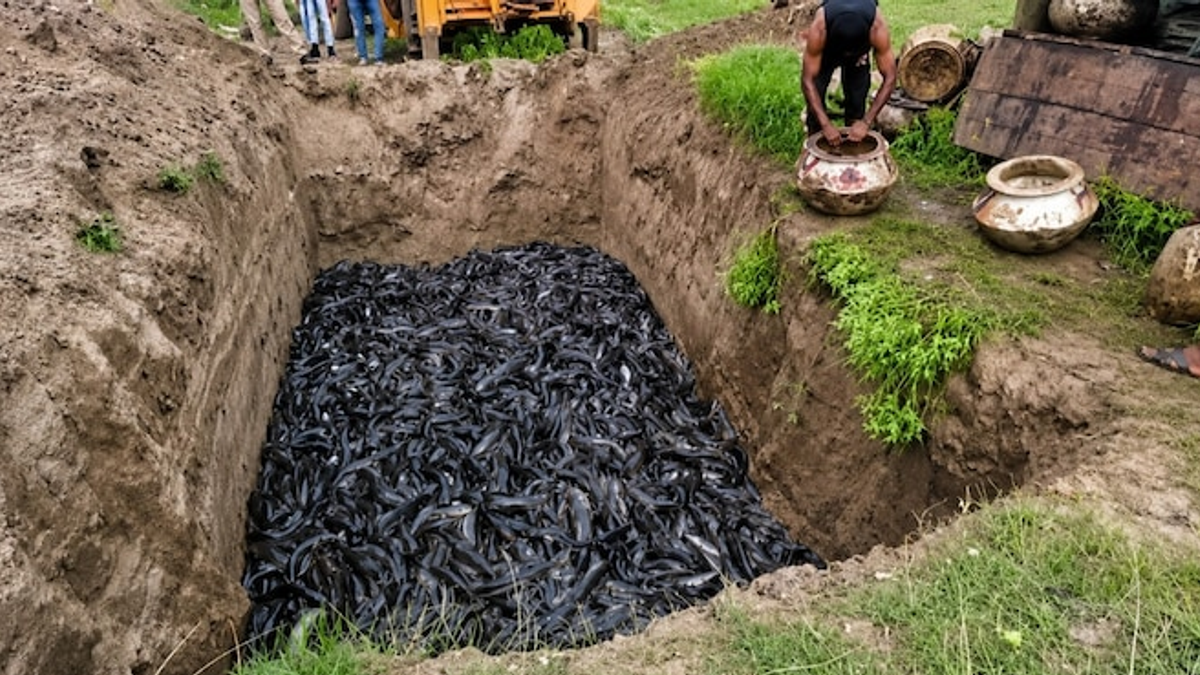
At dawn, a lone officer shouted, “You can’t keep this coming,” and smothered a truck full of Thai Mangur with dirt on the outskirts of Baisi. Bihar’s patrols woke early, hunting the illegal market. The fish, dubbed the walking catfish, lurches through water like a snake, preying on native species and tipping the ecological balance. Its sudden surge in the state has alarmed fishermen and environmental groups alike, who fear a ripple of lost livelihoods.
The Fisheries Department has turned the speed dial on traders, launching statewide raids that span urban hubs and back‑street stalls. Officials seized dense consignments, hauling them to sealed sites where the meat is buried underground—a stark sign of the government’s zero‑tolerance policy. Parallel inspections follow each raid, sweeping through supply chains to unearth hidden culprits. The new threat, first flagged last year, has become a target for state‑level enforcement, raising questions about the efficiency of the current regulatory framework