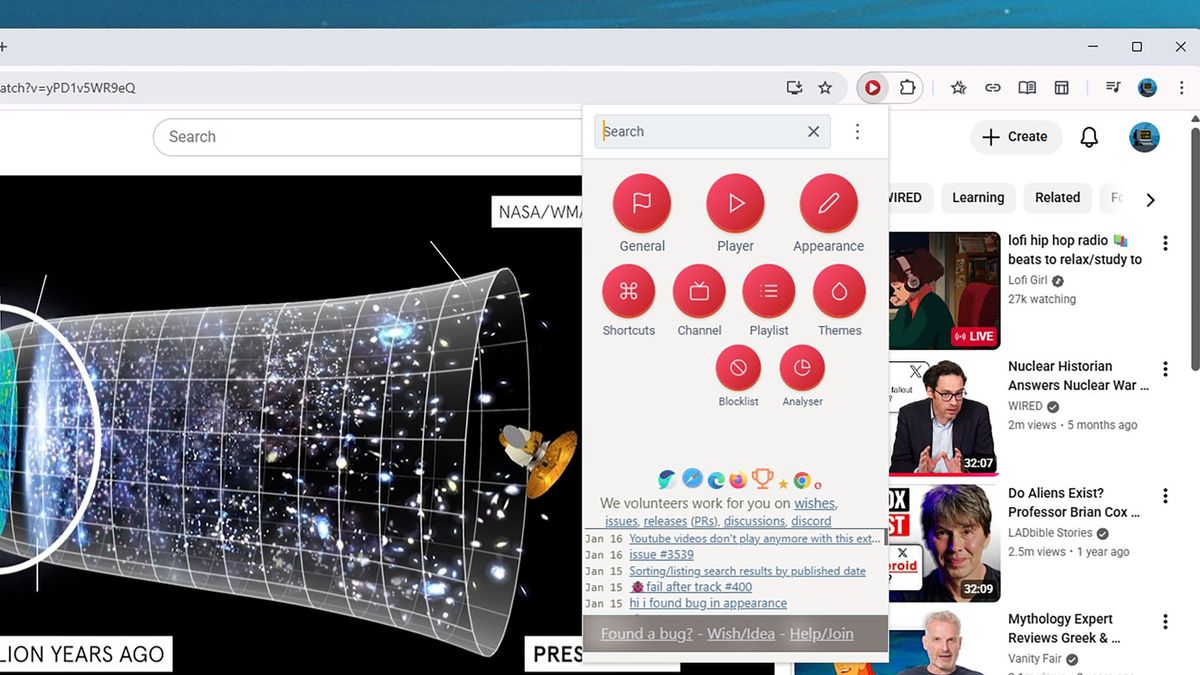
One press of a tiny gear icon in the upper right corner can silence a stream of unwanted ads that bleed through the video interface. That first click, that small gesture, feels like finding a cheat code hidden in plain sight.
The browser, that quiet workhorse behind every web page, can be upgraded with add‑ons that do more than simple tweaks. Extensions sit right beside the address bar, patiently waiting to change how YouTube behaves. They layer smoothness, precision, and choice on top of an otherwise uniform experience.
Ad blockers dive in first. Once the clutter of pop‑ups and banner interruptions is cut, the screen clears, and videos play without the jarring pauses that interrupt flow. Next, volume and speed controls give instant changes without needing to scroll right or left through the little bar. Auto‑skipers bypass repetitive intros and outtakes, letting viewers spend a second less wasted on loops.
For some, the pull is deeper: extensions that tweak recommendation algorithms or filter language are a quiet rebellion against auto‑curated feeds that feel like a forced subscription. Others turn to dark‑mode toggles that shift bright UI into sleek dark surroundings, easing eyes during late‑night sessions.
Still, with power comes caution. Every add‑on opens a gate where data may trickle out. Trusted developers, clear privacy statements, and minimal permissions act as the first line of defense. Install one at a time, watch how it shows up in your browser’s extension list, and make sure it touches only the parts of YouTube it’s meant to touch.
True, a single button can manage a mountain of friction. The question remains: will these little tools become the new standard of how we share and hunt for content, or will they simply become another layer we forget to remove once the novelty fades?