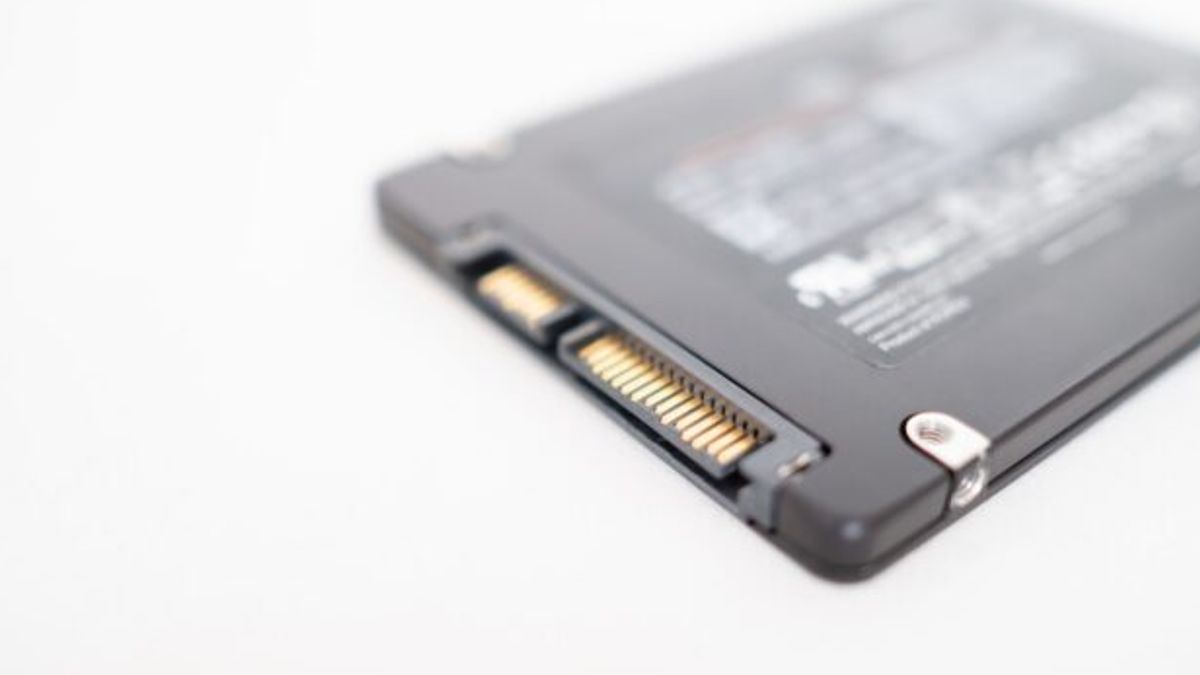
The console spied. When a website runs a tiny JavaScript snippet, it can tap into the sequence of read and write operations that a solid‑state drive performs, turning your browser into a window on the drive’s heartbeat.
It’s not magic. Under the hood, every file system call leaves a trace. SSDs, unlike spinning disks, finish work in microseconds, so the order and timing of those flashes of activity are almost like fingerprints. The new trick uses standard browser APIs to pull those timestamps, then crunches them into a pattern that a website can upload back to its server.
Until now, most web trackers called the number of clicks, page views, or scroll depth. They left out the subtle throb of hard‑drive movement. Now, a developer can detect whether you’ve opened a PDF, cached an image, or even browsed the skip‑to‑content link. Each action lights up a different part of the drive’s controller, letting the script infer when you’re reading or writing. The technique is akin to listening for the hiss of a bus as it passes by a door; you don’t see it, but you can tell it’s there.
Why does it matter? Because SSD activity is tied to the data you actually generate and sent. If a site logs the pattern, it can guess a file type, deduce whether you’re downloading a music track, or even spot the shape of an image you’ve just opened. That inference is an extra layer of profiling that bypasses the usual cookie and fingerprint defenses. Privacy advocates call it a “hidden channel.” System designers insist it’s safe, noting that no user data is directly read; only the timing of reads and writes leaks. Yet, even timing can be valuable when stacked with other signals.
Regulators are scrambling. The European Data Protection Board has opened a draft reading that this practice might breach the “privacy by design” principle. In the United States, a few state attorneys general have begun investigating whether the new technique crosses from benign profiling into unlawful surveillance. Meanwhile, major browsers respond by tightening their JavaScript sandbox, shielding certain I/O callbacks from scripts. Whether that ends the race‑to‑the‑bottom of data collection remains to be seen.
For the internet user, the lesson is simple: your machine’s silent language can be read by any page you visit if you trust the site. Switching to browsers that disable the SSD‑fetch API is a start, but so is keeping your firmware up to date and being wary of sites that push “performance tweaks.” As the way URLs crawl the web evolves, wonder—what other whispers might be leaking from your own hardware?