She clutched her new Smart Card. It glowed a bright turquoise, its QR‑code ready for scan. The card bears her picture, name, and a certainty that free travel is no longer a distant dream. This June, every woman in West Bengal will hop into any state‑run bus without paying a fare, thanks to a drive officially announced by the Transport Department on May 21.
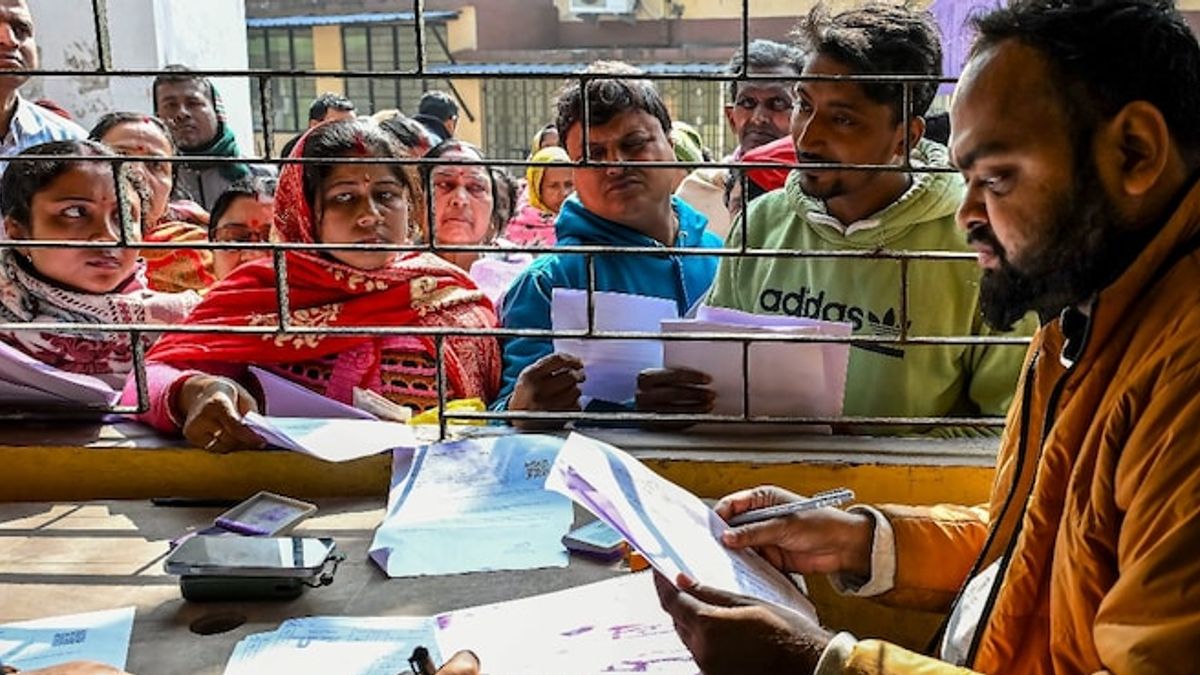
That day, the notification surfaced in plain language. “We want to boost women’s empowerment and give them easier access to transport,” the text read. “All short‑route and long‑route state‑run buses will offer free rides.” No jargon, no fluff—just a straight promise. The bill stated one Smart Card will be issued upon application. Applicants must head to the nearest BDO or SDO office for the paperwork.
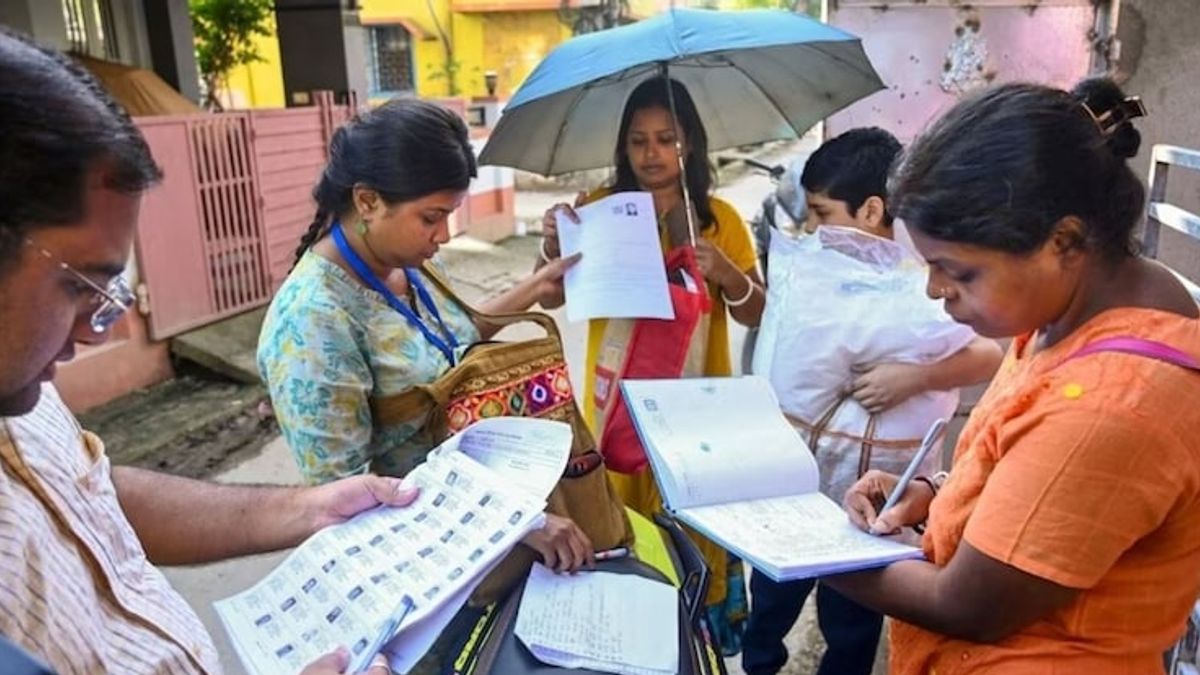
Truth is, the card is more than a ticket. It’s a digital badge, a QR‑coded link to a woman’s identity. The manufacturer asked for three documents: an Aadhaar Card, an EPIC certificate, and the VB‑G RAMG Job Card. That chain of paperwork traces the woman’s socio‑economic standing, her residence, and her link to government welfare. The more cards printed, the deeper the state’s data footprint on women’s mobility.
Meanwhile, the scheme taps into a broader trend of public transport reform. Free bus rides set a new baseline for gender parity in travel. Suddenly, a woman can plan a commute or a trip to market without checking her wallet. Safety rises when buses swell with familiar faces. The cost barrier that once deterred many women from traveling alone shrinks to zero, allowing more girls to attend school, more women to take up part‑time work, and more families to connect across the state.
But will this move become a reality on the road? Will the Smart Cards roll out smoothly, or will paperwork delays dilute their impact? The question lingers as the state gears up to deploy the scheme.