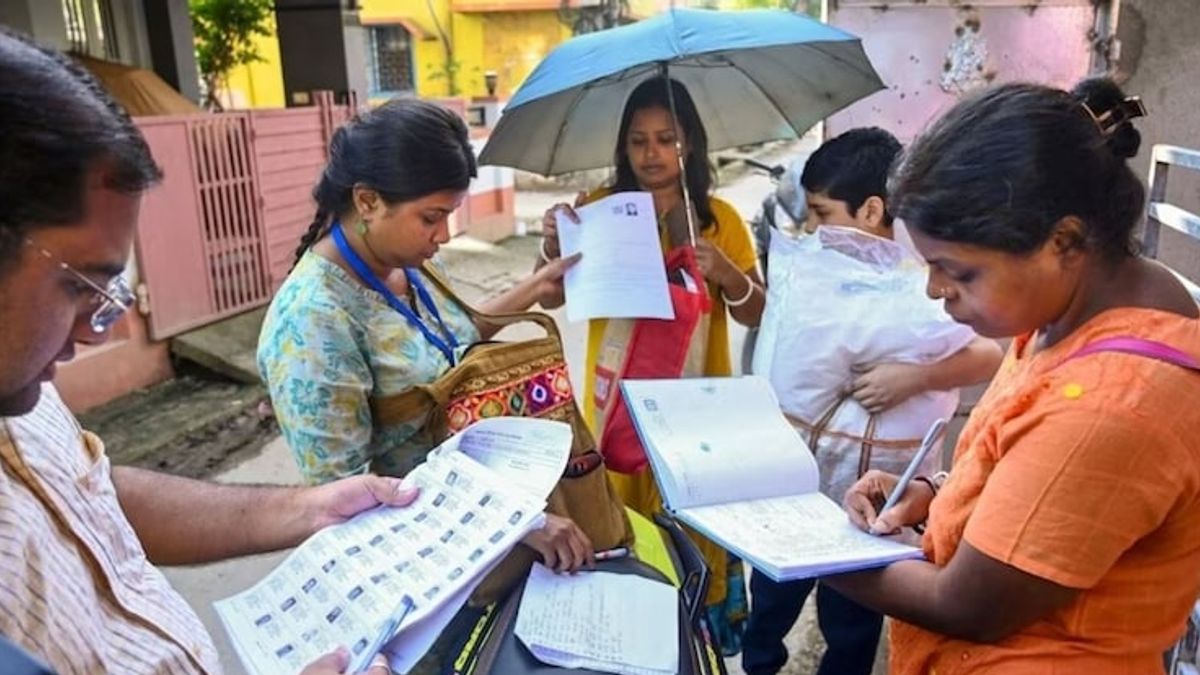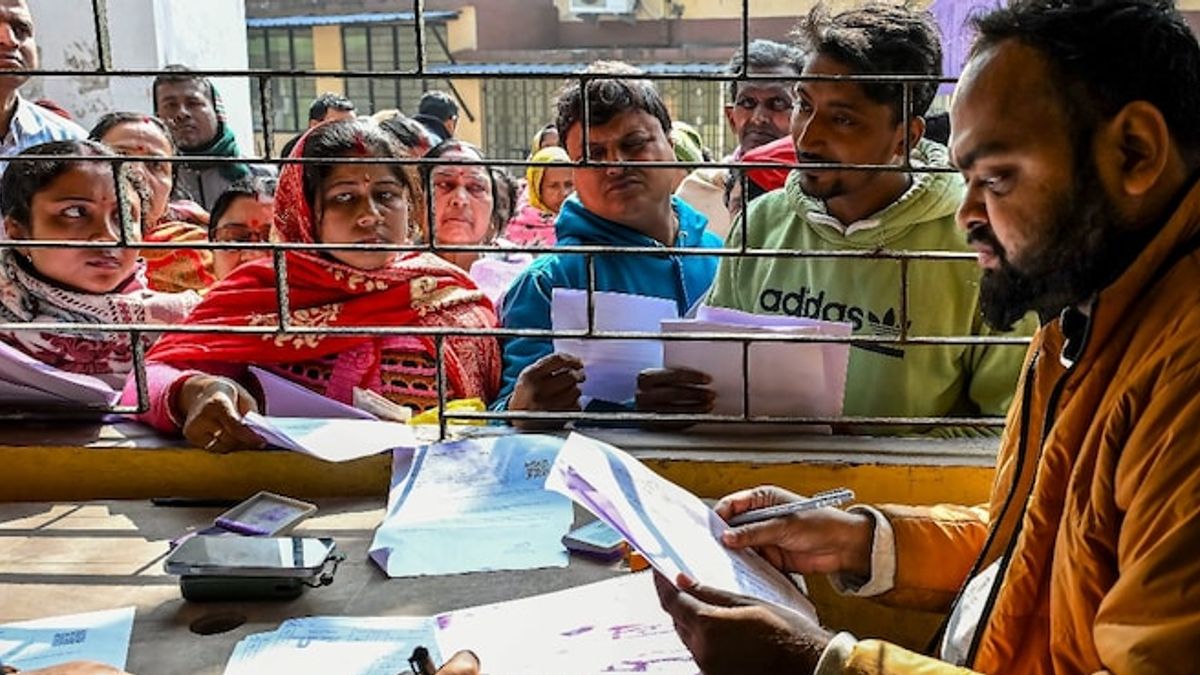
“The object sought to be achieved by the SIR bears a direct nexus to free and fair elections,” Chief Justice Surya Kant let the words echo through the bench. The verdict, read in a room heavy with legal clerks and reporters, comes as the Election Commission gears up to roll out its third and final phase of the Special Intensive Revision (SIR). The new sweep will touch 16 states and three Union Territories, all while voters wait for the next big election battle.
Truth is, the SIR isn’t a brand‑new idea. It first saw action in Bihar before spreading across the country. Critics lobbed arguments that the process oversteps Article 326 of the Constitution and the Representation of the People Act, 1950. But the bench found no breach. Surat’s rezoning of the voter rolls fits neatly inside Section 21(3), a clause that shelters the Commission under its statutory powers. In plain language, the court saw no overreach.
Meanwhile, the SIR’s purpose becomes clear when you consider the flood of ineligible names and duplicate lists that have clouded elections for decades. The Commission’s task? Tidy up voter rolls, remove ghosts, and ensure every ballot accurately reflects an eligible citizen. The Supreme Court’s endorsement means the pool is clean enough to cast a trustworthy vote—at least, technically. The decision ends a long‑running legal tug‑of‑war that had put questions on the ballot’s very basics.
But here’s the problem: the law‑safety the Court provided pairs with practical hurdles. States will need fresh verification crews, bustling tabulation vans, and a rush of paperwork. The elimination of duplicated or outdated entries may stall election timelines, pressuring parties to scramble. Those who framed the SIR as a “necessary” correction now face a logistical juggernaut that could test their patience.
And yet, the stakes are simple: a fair list means each citizen’s voice is heard, and the electorate’s confidence in the democratic process is reinforced. If the Commission fails to hit its target, skepticism will grow, especially among marginalised communities who already feel sidelined. The judgement does more than just legalise the act; it sparks a passage of trust from the Court to the electorate. The clash lies not in the legality but in the implementation.
Looking forward, the 16 states slated for the final phase may set a precedent. How they roll out the SIR could shape the national conversation about voter integrity for years. The judgment’s pruning of the roll, while methodically sound, also invites a rebuke that any operation of such magnitude cannot escape scrutiny. Elections, after all, rest not just on paper, but on how voices translate into numbers.
And if the task is true to its intent, we’ll witness a new chapter in India’s electoral narrative—a chapter written not just by politicians and poll workers, but by a Court that offers a firm legal backbone. As the SIR’s final phase edges closer, will the legal certainty match the on‑ground reality?