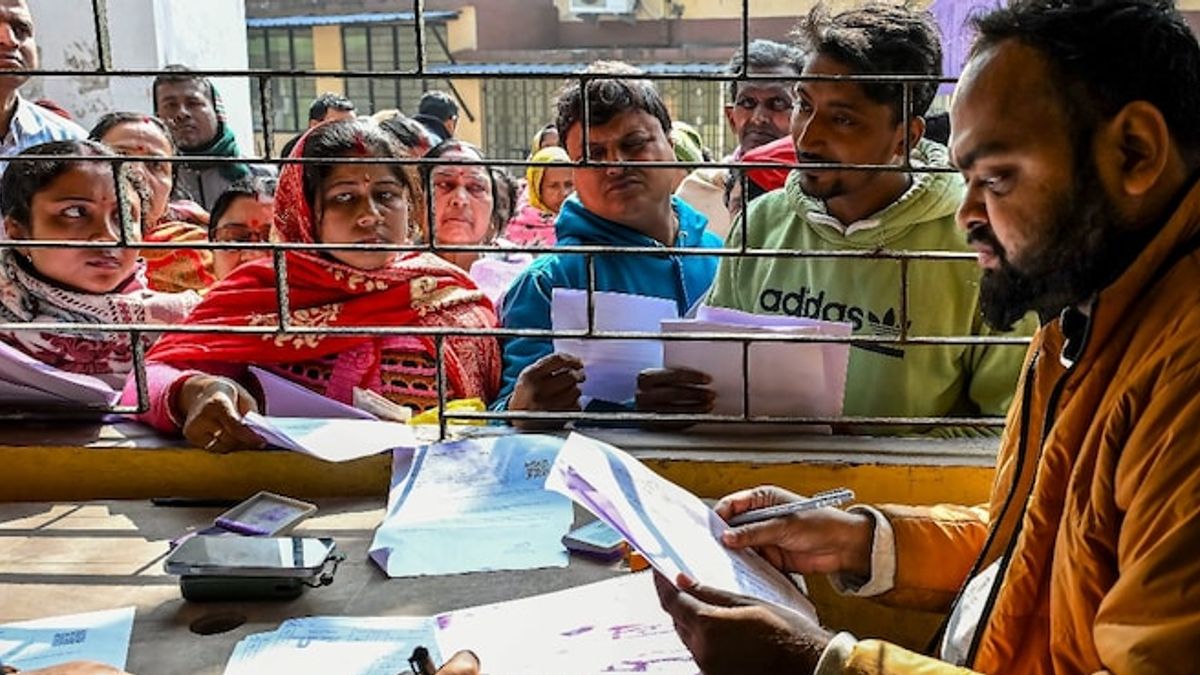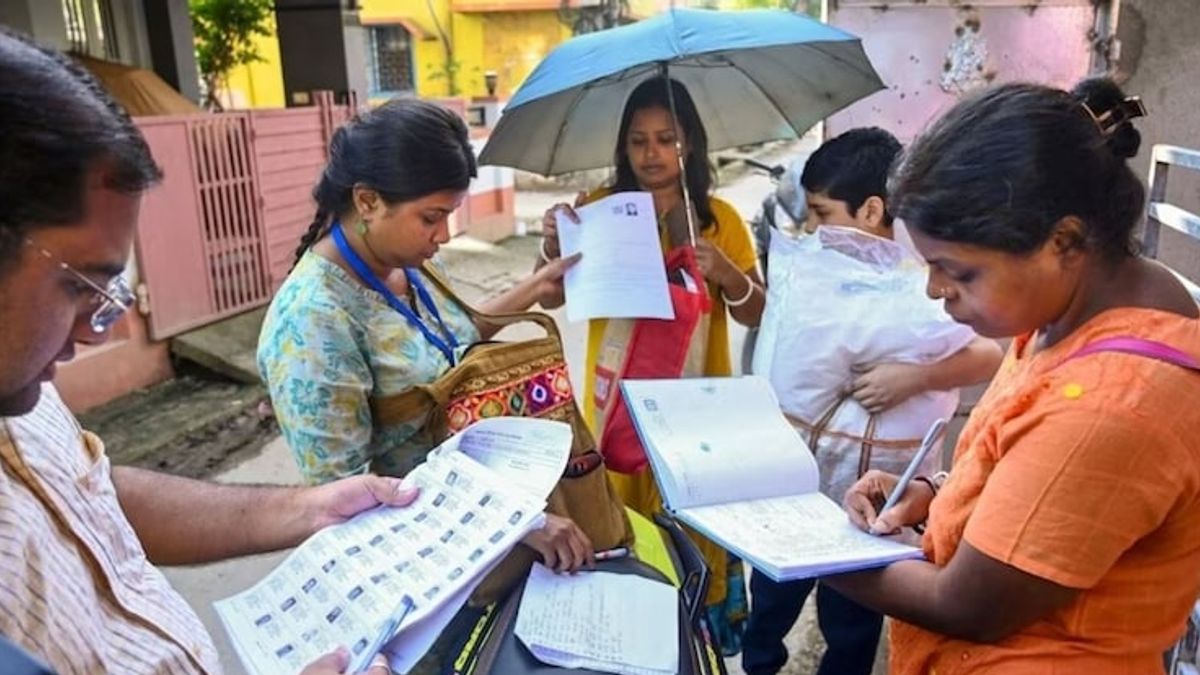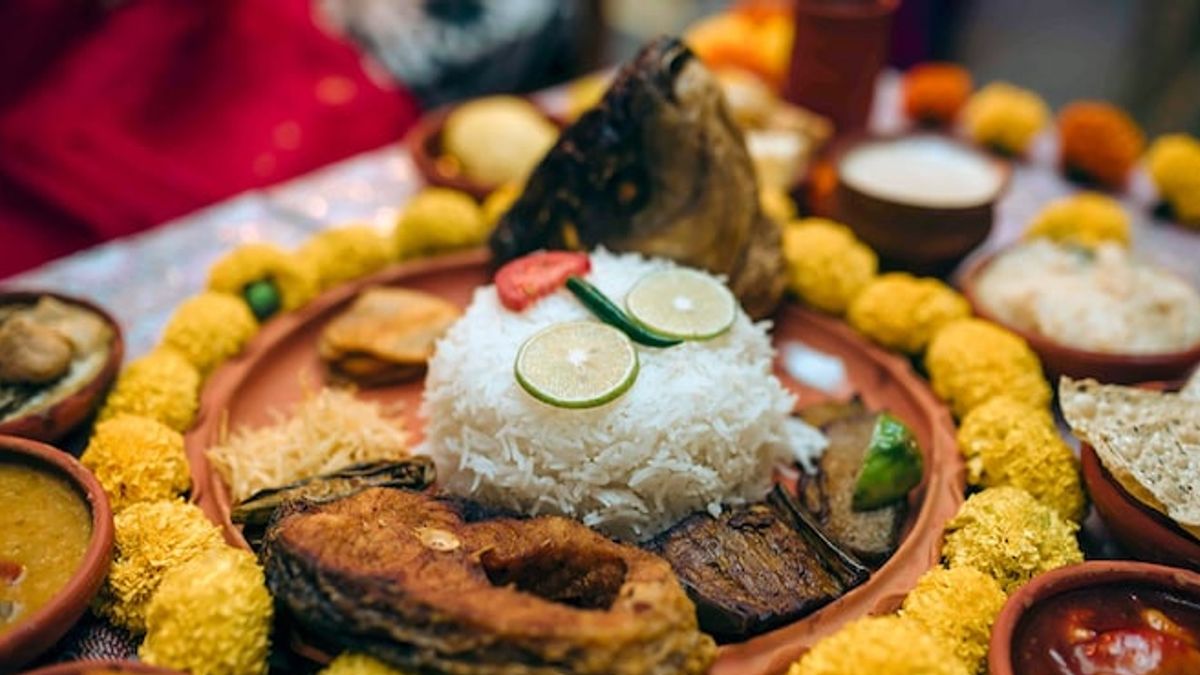
“Our people deserve dignity, and we’re acting on it,” the headline speaker said, pushing a china plate in front of the crowd. He leaned in, the room hushed. The plate held a steaming bowl of fish and rice, its aroma cutting through the office air like a promise.
That is the new reality for 400 canteens spread across the state. The initiative was announced by Chief Minister Suvendu Adhikari after a stiff session with ministers, as Kalyani’s clunky cafeteria hummed with chatter. No one watched the price drop from the per‑meal gram to a mere Rs 5; it was simply handed out like a new mascot. For millions of West Bengalees, fish is as much a staple as rice, and it’s the staple that can keep their throats clear when the rains come.
Why does this matter, and who does it really benefit? The answer isn’t in a long list of statistics but in the crunch of pockets. In a region where the average monthly wage barely keeps a family feeding, a single inexpensive meal can translate into weeks of savings. The canteens are staffed by state employees, and the meals are prepared with locally caught fish, ensuring the fish remains fresh. Government officials also claim the move will lift local fishermen’s income, but critics suspect it’s a vote‑buying ploy timed with upcoming assembly elections.
The canteens will operate on a sliding scale. For people earning under a certain threshold, the price remains Rs 5; for those a little better off, a small levy may apply. The plan echoes previous rounds of food grain distribution, yet no one has yet explained how the extra cost will be offset. Surplus could be siphoned into private vendors, while debt collectors scramble to find the missing change in the state books.
Meanwhile, the food product ecosystem faces headwinds. The state’s fish supply chain has struggled with rising fuel costs and government subsidies that have not kept pace. But the scheme could spark a surge in local demand, prompting some fish farms to increase output. The state bus with a locked door at the end of every route now carries more than just commuters; it carries hope, hope that cheap meals could balance a budget and a life.
Truth is, the cost of Rs 5 does not cover the entire meal. Kitchens must source rice, fish, and spices from third‑party vendors, many of whom are small shopkeepers on the brink of collapse. Their fate now hinges on this state experiment. Will they thrive under the weight of new orders, or will they collapse under the strain of price gouging by the government? Whichever way it goes, the numbers are already unfolding.
In the afternoons, the canteens will fill up as students walk in for lunch. Their eyes light up when they pick up the small red card stamped with the state emblem. The cafeteria becomes a tableau: rows of steaming bowls, smiles uncertain, voices humming a lullaby of change. The price is symbolic, a daring move that forces everyone to ask whether this is a genuine boost for the needy or a strategy to win hearts before the next election bell rings.