India’s busiest sea lanes hummed this past Monday, even as a knot of red‑flaged trade shows flickered on the dashboard of the Central Ministry of Ports, Shipping and Waterways. Staff sent a Slack message at 9 a.m. reading: “Stocks are adequate, alternate routes mapped, and ports prepared.” The message appeared during a hearing that rattled the Parliamentary Standing Committee on Transport, Tourism and Culture, a body that rarely sat for more than two hours at a time.
In that two‑hour session, government officials answered a barrage of questions from lawmakers who had already been rehearsing their lines about energy security and fertilizer shortages. The group was joined by senior bodies from External Affairs, Commerce and Petroleum, ensuring that every angle of the crisis was covered. The committee and the ministries found a fragile rhythm in back‑to‑back briefings.
The centre’s main claim was that India’s rationing cupboards are full, that alternate sourcing arrangements are in place, and that port preparatory work is ahead of schedule. Officials added that normal supply movement would resume in “four to five days” if West Asia’s conflict eased. Three domestic journalists could not find any independent evidence that the resilience plans were more than rehearsed. Yet the ministry high‑ups are quite sure they can keep the trade flow steady.
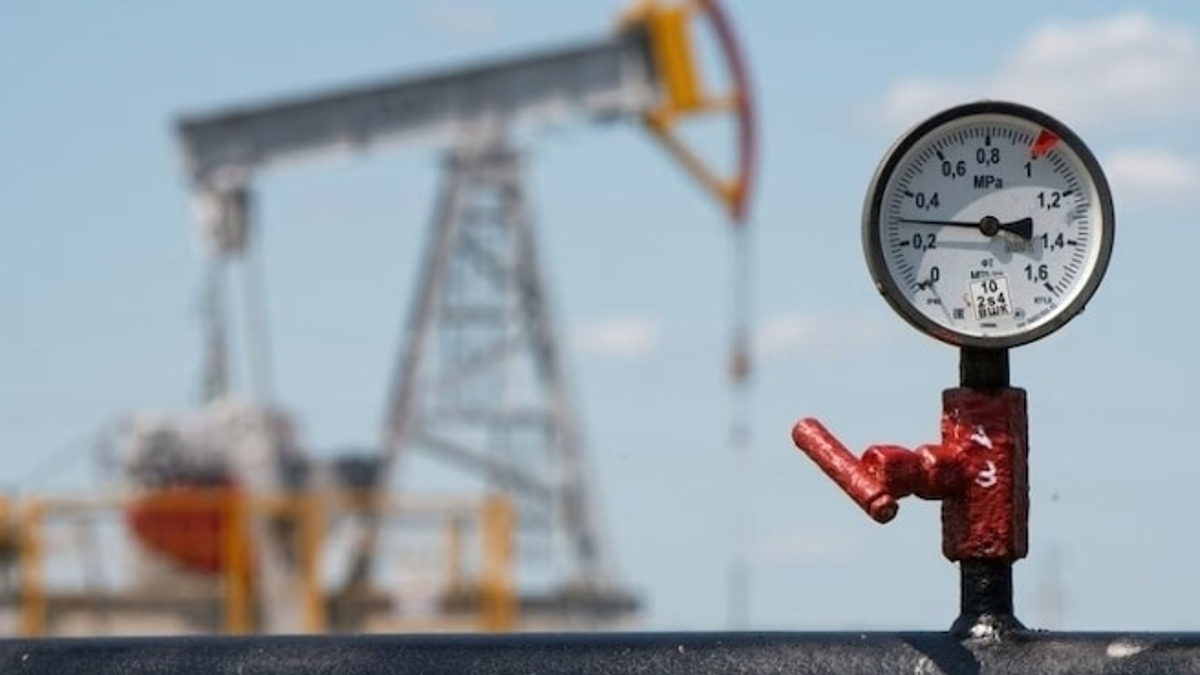
The lawmakers stressed that the answer does not hinge on a quick armistice but on shuffling stockpiles and convoy schedules. No immediate crisis was reported in energy supplies or fertiliser availability, according to the panel. Even so, several environmental groups worry that a sudden spike in oil usage could choke the southern ports after port crews have already begun repositioning their cranes.
What matters is that the narrative is clear: India can survive a few days of shock, but it cannot survive a sustained disruption. The ministries’ approach – stockpiling, alternate routing, port planning – mirrors what other countries do, yet it still rests on a chain of contingencies that are not publicly tested. While the government celebrates its preparedness at committee meetings, the actual risk lies in the gap between declared readiness and untested execution.
Will the center’s assurances hold when the flare‑up turns into a long‑term lull? Or will the crisis spill over from the Gulf into the Indian Ocean, shattering the very reserves the ministries brag about?