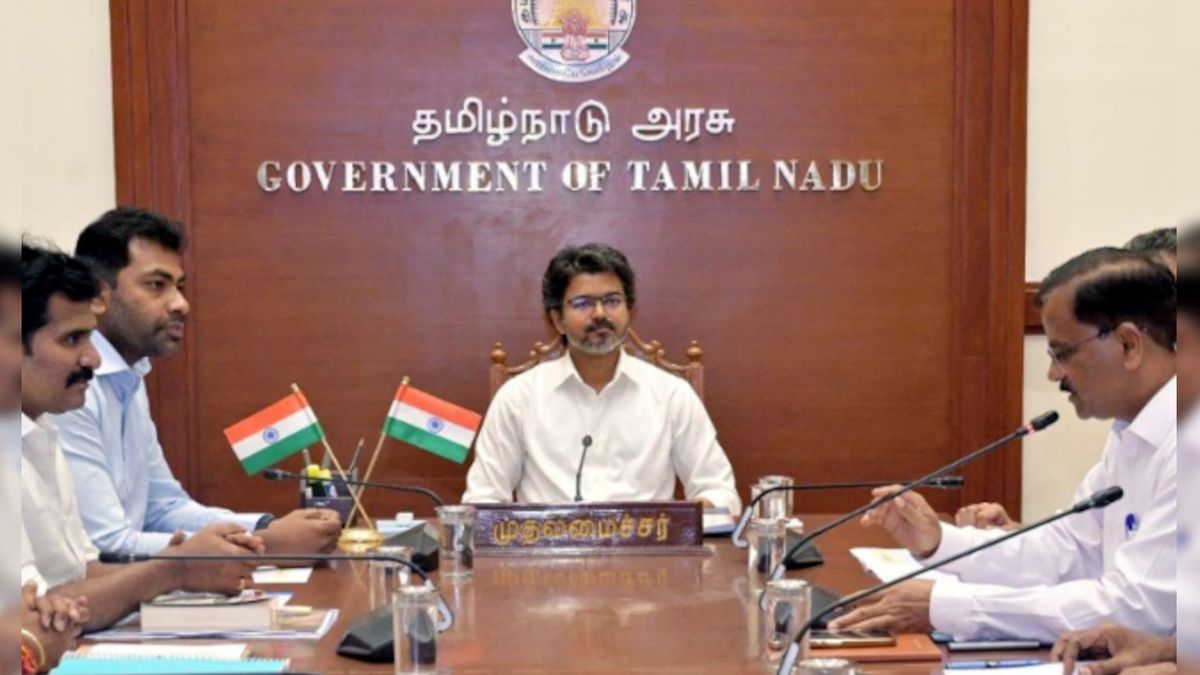
Highway traffic slowed as Vijay boarded a private jet. The government’s first Delhi swing might feel trite, but for the state’s new coalition, it signals a fresh page in the political playbook.
He's slated to meet Modi and a trio of Union ministers. Later, he will sit with several senior Congress leaders, marking a rare meeting between rivals.
Truth is, the coalition itself is a shock to the South. After the Tamilaga Vettri Kazhagam bagged 108 seats, 10 short of a simple majority, the party reached across the aisle, looping in Congress, CPI, CPI(M), VCK, and IUML to form its first multi‑party cabinet in decades.
But here's the problem: banking on Delhi to fill the budget gap puts the state on the national stage. With a two‑day agenda packed, Vijay seeks central funds to fuel infrastructure projects and to boost a rural development program that could lift millions.
Meanwhile, eyes will turn to a quiet but striking side‑conversation. Vijay’s party, traditionally rooted in regional dogma, now has to negotiate with national powers whose priorities differ vastly. This dance could set a pattern for other states that feel sidelined by the central bureaucracy.
Still, the stakes are high. If the talks succeed, Tamil Nadu could snag a larger share of the sun‑lit renewable energy corridor that Delhi has earmarked for coastal regions. If they falter, the state risks being left behind as neighboring provinces lock in new deals.
And yet, beyond the corridors of power, citizens in Chennai will wonder: how much of this bargaining will translate into concrete roads and jobs? Who will hold the ball when the contracts break vague, and the budget relief slows down?