It began with a single line on a live news feed: “Turkey is a direct adversary.” India’s army chief echoed it at a press briefing that marked the first anniversary of Operation Sindoor, the skewered strike that toppled a militant stronghold in the north. His words caught fire because they rang the same chord that had always echoed in the corridors of Indian defence circles—Turkey’s war‑fighting muscles are no smaller than Pakistan’s, and the two have long shared a hard edge against a common foe.
Truth is, the uneasy rapport between New Delhi and Ankara reached a tipping point when Turkish forces stepped in to back Pakistani troops during the 2023 Sindoor operation. The support wasn’t just tactical; it became a political statement that turned sour. Bilateral ties chilled to the point that India slashed its contracts with Turkish firms and saw a noticeable dip in Turkish tourists. The economic fallout was a quiet but sharp reminder that military help can bleed into the markets.
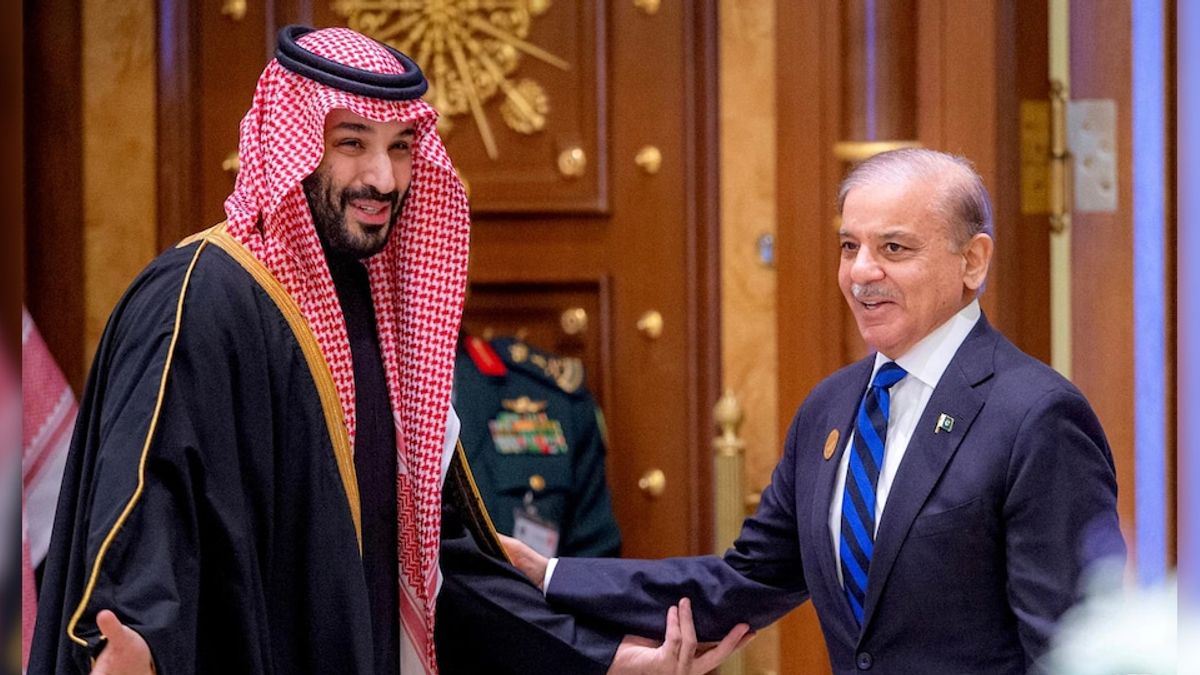
But here’s the problem: the recent flare‑up between Israel‑US and Iran has twisted a new alliance wire through the same centres that have always fed India’s worries. Pakistan and Turkey, already on each other’s speed dial, are now chinning a new group that looks a lot like a sort of “Islamic NATO.” The idea isn’t fresh; it was first floated a decade ago when Saudi Arabia launched a coalition of Muslim states to take on terrorism. Yet the headlines are buzzing anew when Pakistan’s defence chief, Khawaja Muhammad Asif, hinted that Turkey and Qatar could join the pact that ties Pakistan and Saudi Arabia together.
And yet the whispers grow louder as the coalition’s potential for real power becomes clearer. For Islamabad, aligning closely with Ankara not only neutralises India’s perceived threat on one side of the border but also gives it a partner in shaping the security architecture of the Muslim world. Ankara, for its part, can tap into Pakistan’s strategic depth while positioning itself as a centre of power in a region where Western influence feels increasingly distant.
Meanwhile, New Delhi watches from the sidelines, noting shifts that split long‑held alignments. When an ally turns into a partner’s partner, the balance tilts, and the spillover extends beyond borders into trade, technology, and even diplomatic lanes that link to Europe and Africa. The stakes are high: any misstep could ignite a new conflict or a scramble for influence over the next generation of armed forces.
Still, the key question lingers: will the new bloc, seeded by Turkey and Pakistan, keep its focus on counter‑terrorism or evolve into a counter‑India coalition that redraws strategic maps in South Asia?