Donald Trump’s last words echo in Islamabad’s airwaves, a low‑budget standoff that reads less like diplomacy and more like a theatrical showdown. The former U.S. president walked out of a Pakistani palace, demanding that the country join the Abraham Accords, recognise Israel, and tie any peace accord with Iran to that recognition. He left the Pakistani administration with a single choice: bend the nation’s foundational principles or put the country in an impossible diplomatic cage.
For a nation that has never issued a formal embassy to Israel and whose troops remain stationed beside a hostile neighbour, the demand seemed far from ordinary. Trump’s logic was straightforward: attach Iran’s disengagement to Pakistan’s acknowledgment of Israel. The idea, in his view, would press three Muslim‑majority states into a united fold, easing clandestine ties with Tehran. The counter‑argument, echoing through the halls of Islamabad, was thick in national pride.
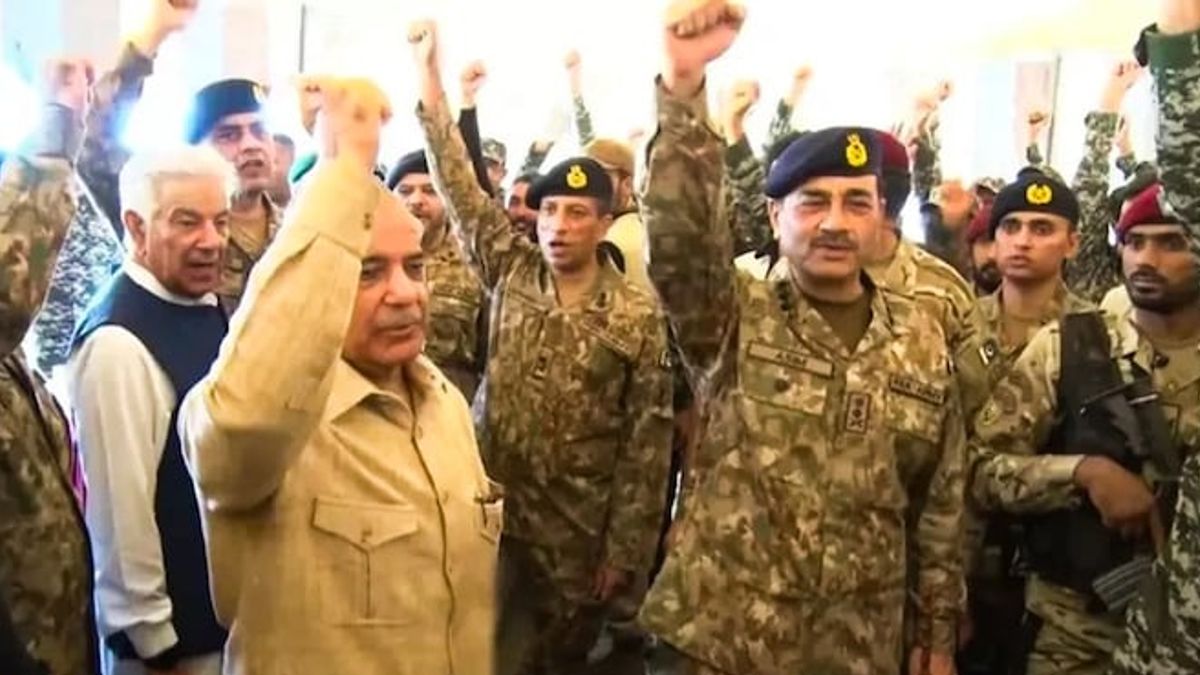
Defence Minister Khawaja Asif slammed the offer, saying the “fundamental ideologies” of Pakistan could not be traded for a dusty flag on another continent. He mused that the nation’s trusteeship over its identity had more weight than any diplomatic truce. Meanwhile, a few whispers from opposition lawmakers accuse the government of pandering to a former president’s erstwhile-style of foreign policy. Yet the army’s long‑standing stake in regional stability continues to focus on Tehran’s influence and curbing any spill‑over.
Beyond the political surface, the move carries weighty economics. Should Pakistan join the Accords, it would unlock trade corridors that bypass traditional chokepoints, possibly letting it tap into a fresh international market. But the costs loom – a shift in foreign aid streams, a reshuffle of alliances, and the risk of alienating a massive bottom‑line of domestic voters who see Israel as an adversary. A single policy flip could also upset an army that has fought on both sides of the Iran‑Pakistan divide for decades, claiming its neutrality as a formative narrative.
India, a key regional player, watches closely, hunkered over the presidential hot‑seat that could break its own tricky balance with Pakistan. Beijing listens in, anticipating what opportunity a Pakistani pivot might create for its own geopolitical agenda. The drama, therefore, is not just a bilateral clash but part of a larger geopolitical chessboard where virtue and pragmatism collide.
Truth is, Pakistan faces a catch‑22: appease Trump and risk losing its core identity, or stay in the shadows and condemn the former president’s lofty plan. The question remains: will Islamabad, with its deep-hidden loyalty to its ideals, rise to meet Trump’s daring gambit, or will it stay silent as a silent adversary to a generous plea?