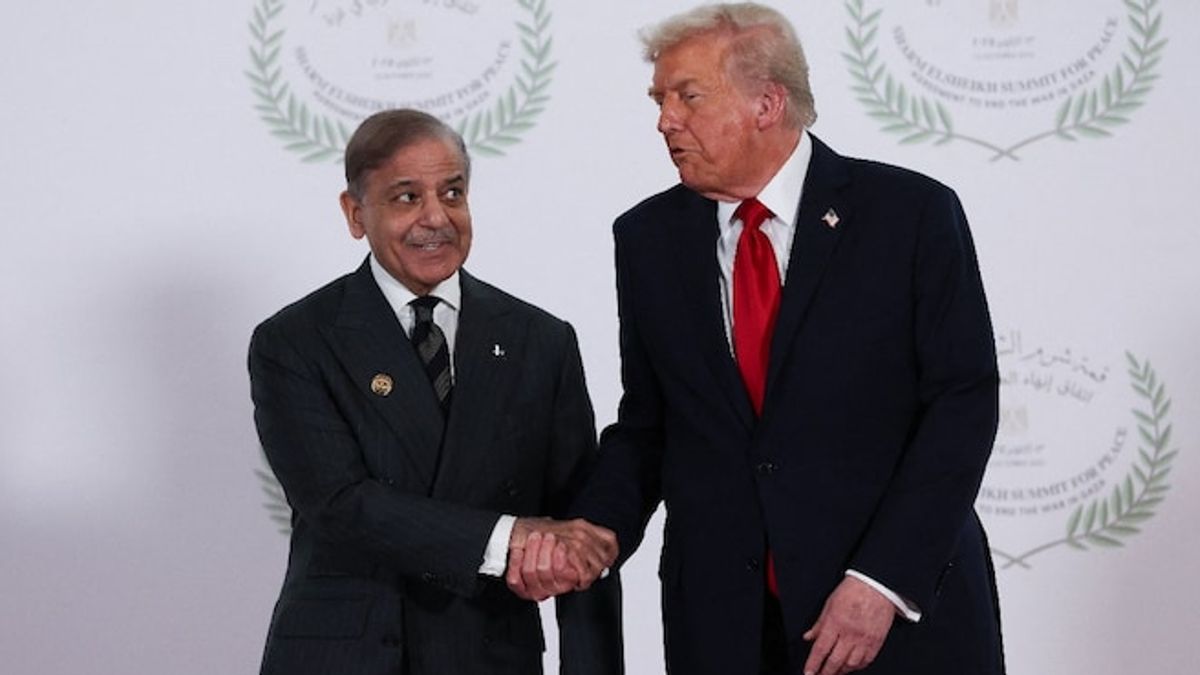
“To be, or not to be, that is the question.” The famed line from Hamlet echoed in Islamabad as President Trump held a high‑level call with Pakistani Prime Minister Shehbaz Sharif and a handful of Arab leaders. It wasn’t Shakespeare as a metaphor for drama—though it is. It was a literal dilemma for Islamabad. Trump’s demand? A formal hand‑shake with Israel once the Iran conflict ends.
Truth is, the Abraham Accords are more than a phone call. They’re a network of state‑to‑state agreements that put Israel’s legitimacy on the diplomatic table for a handful of Muslim‑majority governments. Trump has been pushing for an expansion ever since the accords opened the door for any Muslim nation to normalize ties. Now he wants the add‑on to happen only after the bloodshed in the Middle East quiets down. That is a deadline tied to war endings, not political will.
Pakistan’s history keeps it on a reluctant frontier. The country has long marketed itself as a behind‑the‑scenes mediator between Tehran and Washington. The call sent a clear signal: pay for that role, or the United States will turn its friendship cards that way. The Prime Minister’s government can’t ignore the ever‑watchful eyes of the army, which has been pressed to hold a line of defiance. The public remains tank‑bound on the Palestine issue, and any gesture that feels like erasing Israel’s existence without a clear path for the Palestinian question is a powder keg.
And yet, the US is stronger. After a U.N. ceasefire deal between Israel and Hamas, the United States has banged its knuckles against the diplomatic sidelines. If Pakistan declines, the country risks losing a piece of the talk back‑talk puzzle that the United States insists leads to a broader “peace in the Middle East.” For Islamabad’s domestic politicians, going through with the Accords could mean alienating a base that still holds the Holocaust and hunger for Palestinian rights close to heart.
Still, the timing of the meeting held two nights before the West’s significant release of Israeli prisoners adds weight. It’s a bold move to accelerate a realist timeline. Sharif’s agenda might center around defensive rhetoric, perhaps framing the move as neutral or beneficial for regional stability—yet, the reality is a knee‑jerk reaction to the hawkish environment in Washington.
Meanwhile, a handful of clerics have already started drafting sermons that strike a tone of betrayal. Civil society already lines up petitions. The military, too, hangs in the balance. Would they side with a diplomatic lift or veto it for hard‑line stance? Sharif’s choice wavers between international prestige and domestic solidarity.
What will happen next? Will Islamabad press its weight on the wall or step back, and how will the unlikely alliance between the U.S. and Arab states answer Pakistan’s silent calls?