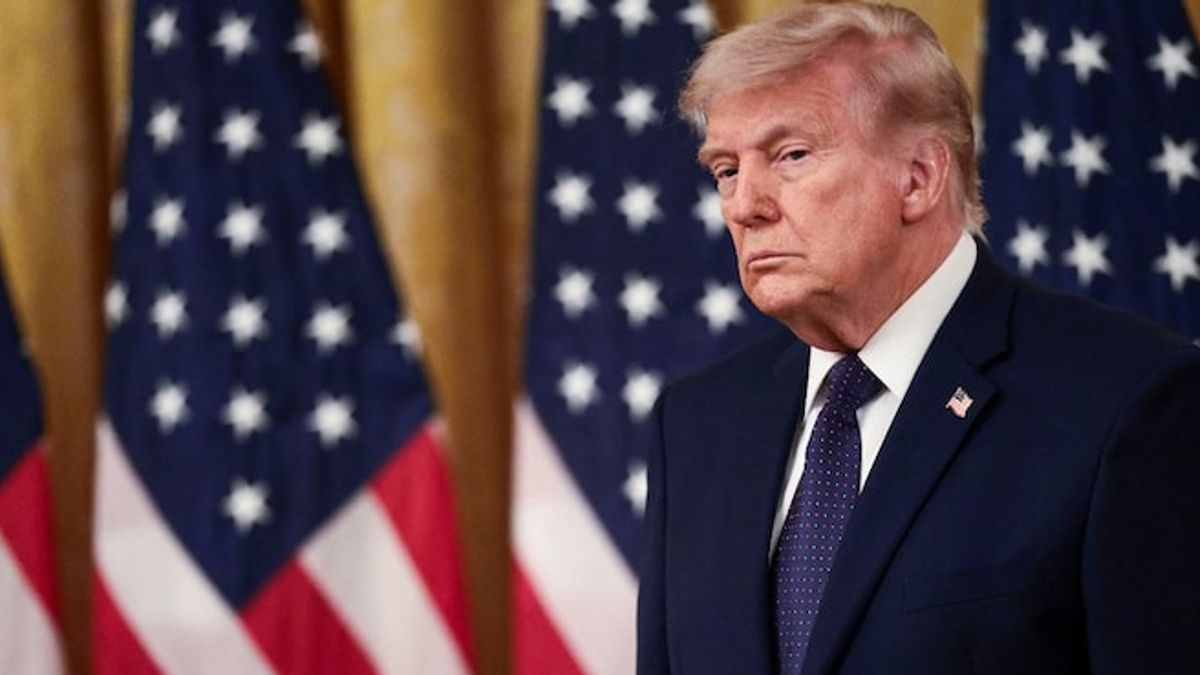
“Proceeding nicely,” Trump boasted on Truth Social, calling out the Iran talks while cueing a new play. “But watch closely; if nothing changes, we could see a battlefield bigger than anything we’ve imagined.” The platform post kicked off a storm of commentary among Gulf and Muslim‑majority leaders. Meanwhile, Trump slipped in a bold, perhaps naive claim: make the Abraham Accords mandatory for all signatories who secure a peace deal with Iran. He called on Gulf royalty and foreign governments to step up and join the treaty, and said the future of the region hinges on their compliance. His message carried the weight of an ex‑president, but its practical path remains riddled with doubts.
During a nighttime phone call, Trump rang Saudi Crown Prince Mohammed bin Salman, UAE President Mohammed bin Zayed Al Nahyan, Qatar's Emir Tamim bin Hamad Al Thani, Pakistan Army chief Field Marshal Asim Munir, Turkish President Recep Tayyip Erdogan, Egyptian President Abdel Fattah el‑Sisi, Jordan’s King Abdullah II, and Bahrain’s King Hamad bin Isa Al Khalifa. The group dispersed into separate lines; their responses were muted, uncertain. No one heard a firm commitment. The connections between the Accords and Iran are, for the most part, theoretical. But Trump insists that if the deal with Tehran goes through, the Abraham Accords must capture those participating states as mandatory signatories. That would raise the sign‑on threshold and force a new wave of normalisation that might ripple outward across the Middle East.
Truthfully, it’s a tall order. The Accords, first signed in 2020, already house Israel and a handful of Arab states—UAE, Bahrain, Sudan, Morocco. Adding Tehran would turn a personal‑security pact into a geopolitical shake‑up. Turkey and Egypt alone have strained relations with Israel, and while Qatar played a diplomatic pivot, it remains cautious. Pakistan’s drive for stability and linkages to the Gulf would further complicate the equation. Yet the former president banks on the pressure of a former U.S. commander: muddy diplomatic waters that could trigger a scramble for influence. This stirs more uncertainty than clarity.
Iran’s wariness is equally understandable. Tehran watches the Accords as a symbolic bargain clueing the U.S. energy supply and regional vacuums. Historically, the Iranian leadership has avoided pledging to any treaty that leaves it vulnerable to U.S. influence. A roll‑out that pulls in Muslim‑majority states would see Tehran confronted with an aligning coalition that potentially sidelines it. In return, Trump’s overture may upgrade Iran’s diplomatic leverage, repositioning the nation in a new corridor of power. Still, no sign of an agreement that makes Iran a party to the Accords exists. It is unclear whether the move would deepen tensions rather than reduce them.
Truly, the stakes are high. Every move could either anchor the region more than ever or jolt it into deeper turmoil. In the early mornings of diplomatic negotiations, Trump’s words command attention. They also highlight how the former president’s brand of blunt, high‑level pressure can spark discord even as it tries to broker peace. As negotiations continue, the international community watches a colonel‑in‑blue‑sleeves style waltz that could dictate the future balance.
Will the Gulf’s current hesitancy give way to decisive alignment that extends the Accords to Iran, or will the regional rookeries resist such changes and keep the status quo locked?