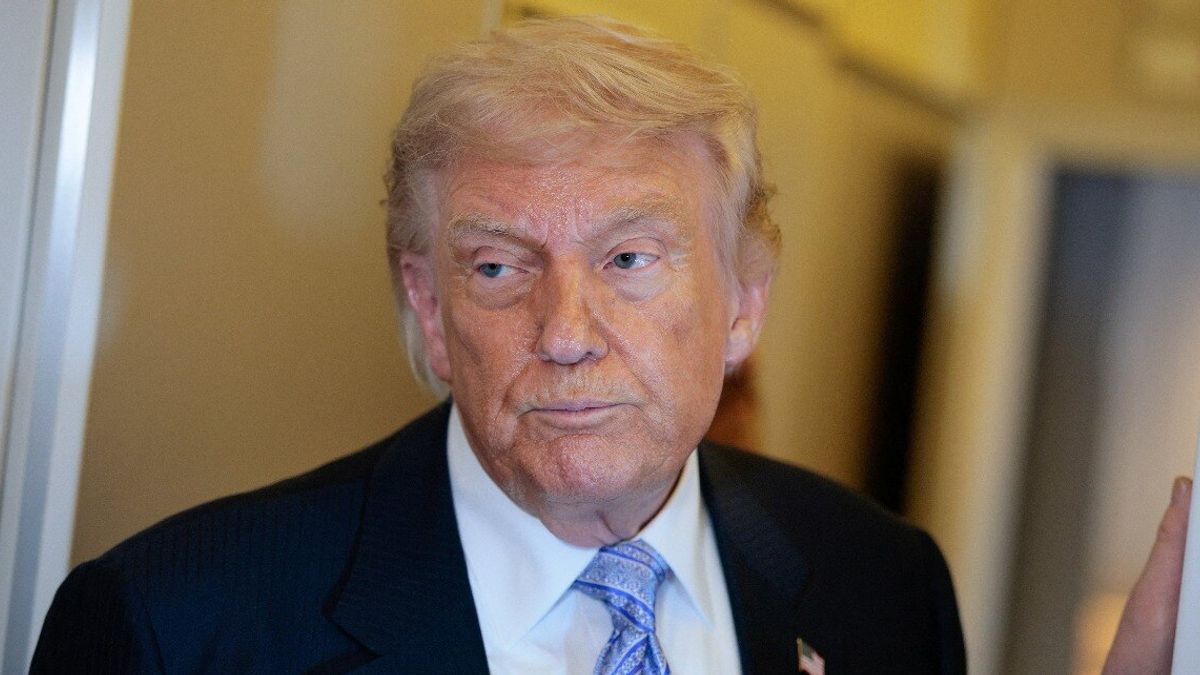
Donald Trump stood at a podium in Washington, and the microphone crackled. He said the United States had shelved a planned strike on Iran. That was the headline the media ran. But the unusual twist lies in the reason: requests from Qatar, Saudi Arabia, and the United Arab Emirates. Those Gulf monarchies have urged the set‑back.
It was a rattling moment. Trump didn't give numbers or operational details. He simply said that the initiative was on hold after foreign leaders said it was “not worth the risk.” Qatar, in particular, is a close partner in the Middle East, and its voice carries weight. Likewise, Saudi Arabia and the UAE have historically been the North American pillar of regional security. That the three would pressure the former president is notable. It suggests a diplomatic shift that could surprise followers of US defense policy.
Why should any pundit pause to mull over this? The claim touches on a long‑standing narrative that Trump loves to toy with: the notion of a U.S. squadron walking into Tehran. That idea sparks a media frenzy. Yet here comes a contrary voice: Gulf allies saying the logic falls apart. This has a ripple effect. The U.S. would be deferring to regional partners against the backdrop of a fragile balance that keeps Iran from tipping the region into chaos. How credible is Trump’s story? Nothing official backs it up, yet the message is loud.
Politically, the U.S. faces a conundrum. It can either double down on a hard‑line posture that irritates allies or relax the stance to preserve diplomatic leverage. The former could invite a broader regional war; the latter might cost the US standing as a military guarantee. The Trump claim frames the story as an option that went away after outside input—a signal that the former president views himself as a broker between nations, not simply a commander. If the hold was lifted, would the U.S. nominate new assurances? If not, what will the new strategy be?
At this point, only speculation can fill the gap. The press release that preceded the statement said nothing else. No Pentagon brief, no explicit evidence. The facts remain a shape‑shifter. The Gulf states’ interventions, whether concrete or rhetorical, add a twist that raises questions for the Washington decision makers. Will the next steps unfold at the next summit, or will the U.S. quietly recalibrate its playbook instead? The only certainty is that the “halt” has become a pivot point in an already volatile arena.