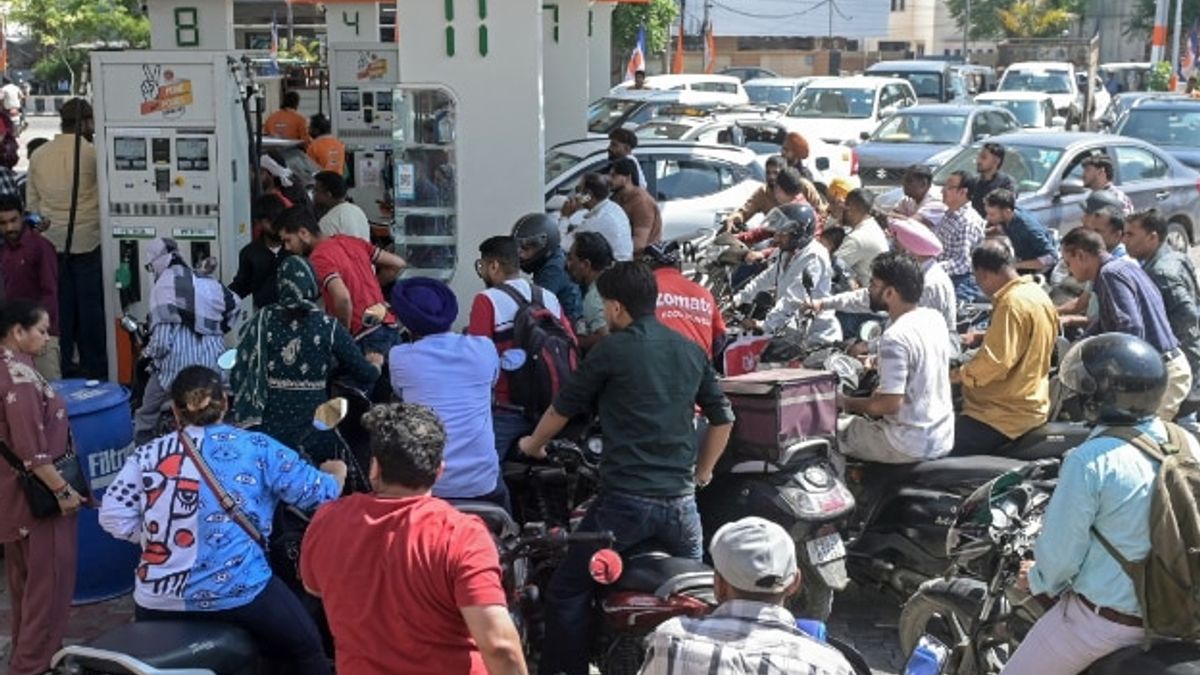
Saturday's spike sent petrol to Rs 99.51. That last‑minute jump is the third price push in a mere ten‑day stretch, a reminder of how energy hikes feel the pinch. The drive‑way cost now sits at the upper edge of yesterday’s budget. Each litre chips away at pocketbooks that are already stretched thin.
It began with a modest Rs 3 lift on May 15, a move that seemed almost innocuous. On May 19, customers felt a sharper 90‑paise swell. The momentum didn’t flatten; instead, it accelerated. The cumulative climb of nearly Rs 5 per litre dwarfs the typical seasonal upticks. This pattern hints at a new baseline, not just a fleeting bump.
The catalyst lies beyond domestic policy, though. A volatile Middle East war has nudged crude on the world market. State‑owned oil firms, tasked with balancing import costs and public anger, are passing that pressure through the fuel pump. They cite “calibrated” adjustments, but the numbers speak louder. The narrative is clearer: rising global prices bleed into local bowls.
Consumers view the price tag, but regulators see the numbers. The uncertainty risks a ripple through transport costs, supply chains, and everyday commutes. Small businesses already juggling margins export these details into higher fares. The question becomes: if the price curve keeps sliding, how long until deeper cuts in public spending become necessary?
Meanwhile, one drive‑way at a dentist’s office in Gurgaon might recover from a litre’s lift, but the average household feels the squeeze. The next hike—if the market logic holds—could corner the country into a deeper fiscal strain. Will the government take a stricter hold on imports, or will the gradual increase continue like a slow‑rolling tide?