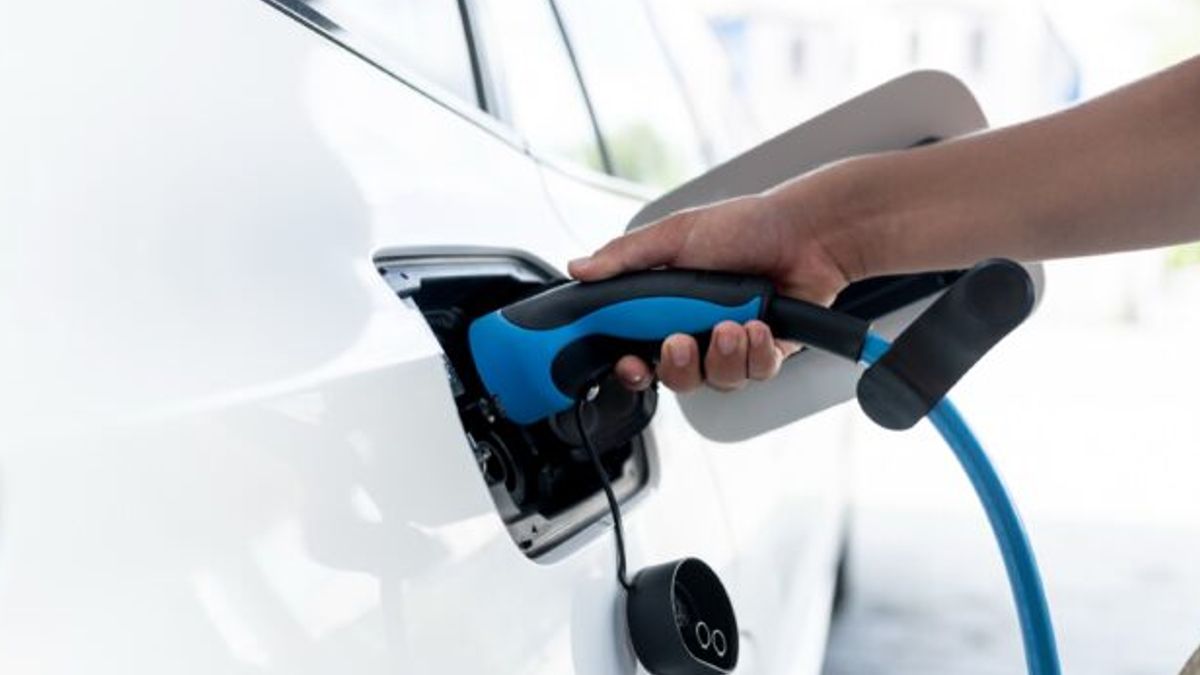
It was a mundane Tuesday when a low‑key buzzer announced that the Prius Prime in the line behind 212‑B had hooked up to the electric coil. The driver, a college professor with more data than a well‑labeled spreadsheet, smiled at the screen and whispered, “Looks like we’re finally getting the numbers we asked for.”
Toyota’s decision to disclose PHEV charging metrics marks the latest shift in an industry that has shrugged off transparency for years. No longer comfortable with vague ad slogans, the automaker has outlined in a press release how often its hybrids are plugged in, the typical duration of those sessions, and what times of day most owners choose to charge. In a market full of whispered promises about “smart” energy use, this disclosure feels… oddly earnest.
Why should any of this matter? The hard truth is, consumer confidence hinges on data. One plugged‑in car in a parking lot can hint at broader adoption trends, but the missing puzzle pieces—charging habits, peak demand, and dependency on home versus public infrastructure—are invisible until the numbers line up. By lifting the curtain, Toyota is offering a chart for future policymakers, grid operators, and neighborhood committees to plug into their planning calculations.
Still, the broader picture remains cautious. Other automakers are sure to follow suit once the executives at Toyota see a market response. If the pattern holds, we could see a new era where each electric‑ready vehicle reports its own fuel‑saving habits, feeding a nationwide repository that tracks eco‑efficiency in real time. For the power grid, that’s a massive shift: the next block of chargers could be calibrated against real demand spikes, leveling the load over a day rather than creating a surge tomorrow night.
Nevertheless, skepticism is warranted. History shows that corporate data releases are sometimes as shiny as the rumor mill. Will Toyota’s figures withstand independent verification? Or will they be scrubbed, any anomalies wiped clean for the next glossy brochure? And what about consumers who rely on third‑party apps to monitor battery health? Real transparency requires that those numbers be accessible beyond corporate press kits. If the automaker’s shareholding pads this with slick visuals and anonymized dots, the public will only see a stylized skyline of charging streaks.
Meanwhile, the quiet click in the parking lot whispers a louder question: Are we witnessing the start of an honest conversation about plug‑in hybrids, or simply a well‑timed push for market share? The answer will reveal whether Toyota’s latest revelation is a true turning point or just another billboard flashing a pleasant new advertisement.