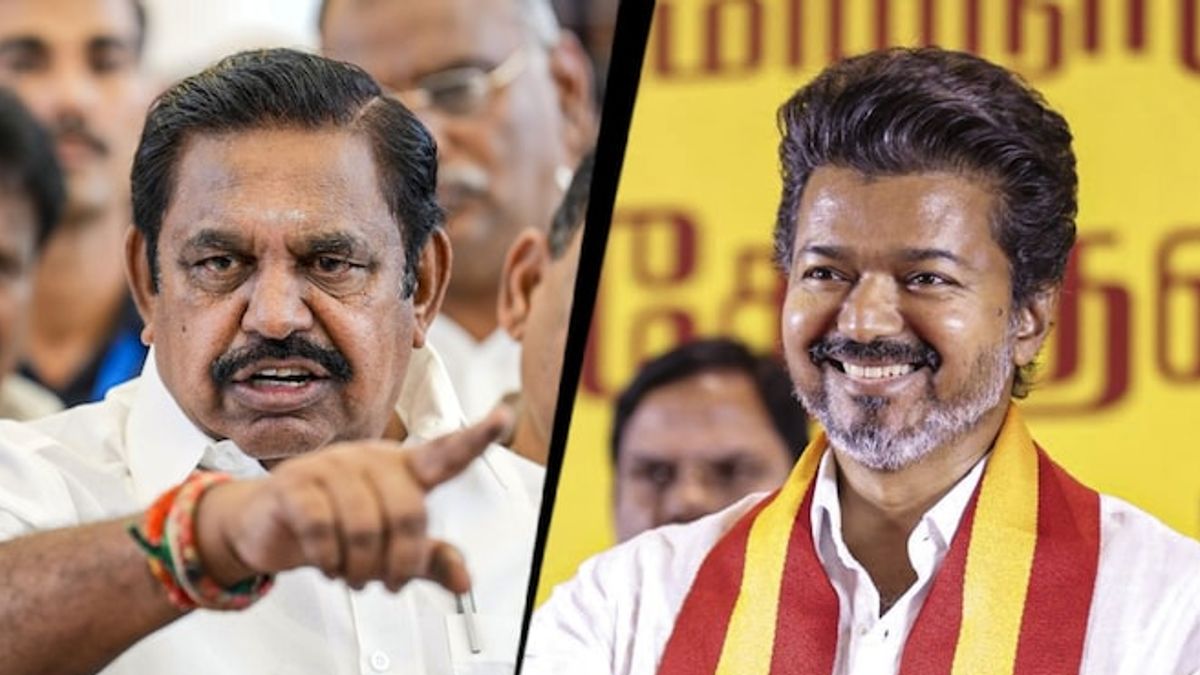
It began on a sweltering Tuesday morning when Maragatham Kumaravel, Jayakumar, and Sathyabama filed papers to oust themselves from the Tamil Nadu Assembly. No grand speeches, just signatures. The resignation letters found their way to Speaker JCD Prabhakar, who accepted them without comment. The trio is not new to drama; all three had been part of a faction that once marched in protest of Edappadi Palaniswami’s leadership.
What made this move twisty was its timing. Two weeks earlier, 30 Tamil Nadu MLAs, spearheaded by CV Shanmugam, had already given a thumbs‑up to Prime Minister Vijay’s TVK cabinet. These rebels had rebelled against Palaniswami, the long‑time party chief, and urged the ruler to step aside. The latest resignation, meanwhile, turns the plot back on Palaniswami, narrowing his support base to 27 because five stalwarts swung back to his camp—including SM Sukumar of Arcot. That simple shift leaves Palaniswami a challenger in his own house.
Look deeper: Kumaravel is the electorate’s voice from the Maduranthakam seat, positioned just outside Chennai. Sathyabama dominates Dharapuram, a staple of the party’s western Kongu stronghold. Jayakumar reigns over Perundurai, still another heartland bastion for AIADMK. Their exit, therefore, is not just a number – it’s a vote against the traditional core where the party has long found safety. It leaves the rebels stranded on the floor of the Assembly, but the day’s paperwork sends a loud warning: loyalty can’t stay bottled behind a party emblem.
After the resignation hearing, the three met in the chamber of Minister Aadhav Arjuna. There, armed with their new badges of loyalty, they swapped a sober acknowledgement for a breeze of hope, as they slipped into the ranks of TVK. “We’re joining the side that seems to be drawing ahead,” one of them implied. That sentiment echoed the earlier May 13 floor test where 25 legislators had crossed the line to vote for Vijay’s government despite a whip from Palaniswami – a move that see‑sawed the rebellion in a held‑tight grip.
What does this mean for Tamil Nadu? It flushes the air of uncertainty that had filled the Assembly. Each resignation counts like a raindrop in a dry well; the small numbers are not merely symbolic – they can dictate whether a ministry blindsides its opponents or governance takes a quieter path. The political calculus is alight: will Palaniswami’s faction hold the line, or will the bench tilt the new government’s weight further toward TVK? Rebellions recur, but whether they consolidate positions or splinter them is always a gamble.
Witnessing such a shift from the front line, the disarray of the once-steady AIADMK raises an uncomfortable question: is stability a myth in modern Tamil politics, or just another ledger entry awaiting a fresh signature? The Assembly doors are still open, fiercely echoing the RSVP of only those who can pull the levers. The minutes after the letter collection are quieter as thousands watch with baited breath the next move.