Aragatham Kumaravel stepped onto the parliamentary floor, chipping away a bead of sweat from his brow. A faded mutiny swelled as the three AIADMK MLAs—Kumaravel, Jayakumar, and Sathyabhama—slipped resignation forms into the hands of Speaker Thirunagar S. The act sent ripples through the assembly, but the real shock came when the trio plied the Minister Aadhav Arjuna for a quick endorsement. Aadhav, a chief adviser to Vijay, had already pledged his support. The MLAs, aligned with SP Velumani’s wing, had stared down the barrel of a split. The day of their resignation was premeditated, the party’s insiders said.
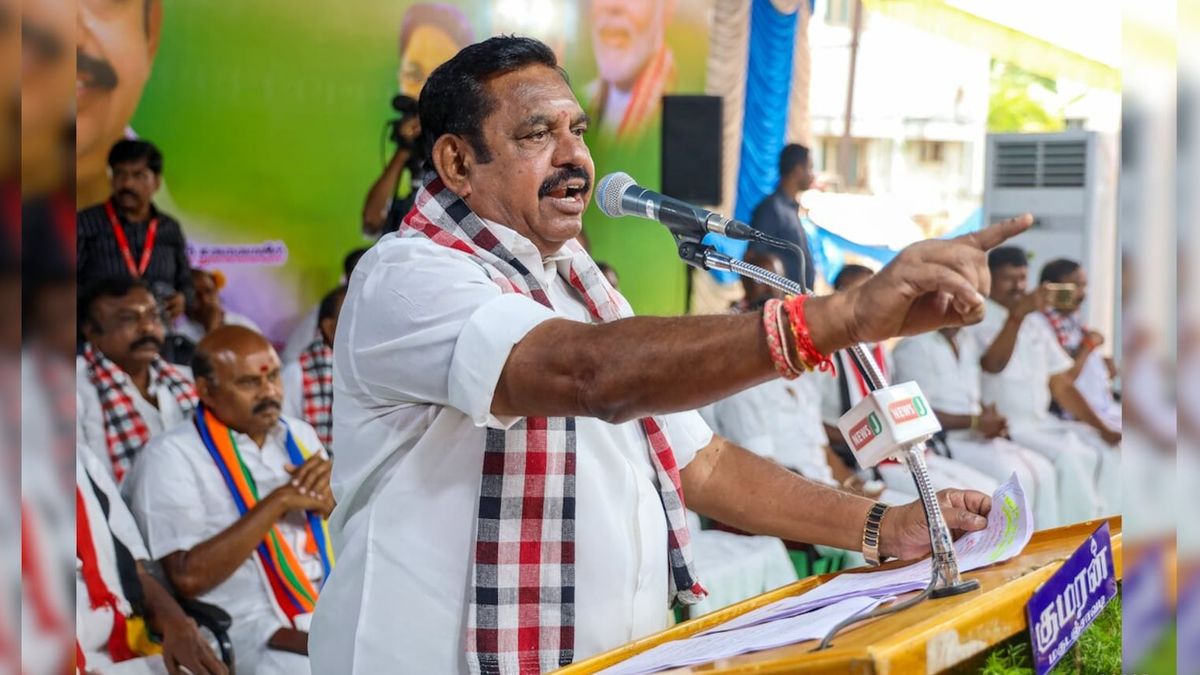
The divide has simmered for months. The AIADMK, once a pillar on the state's political map, now shivers with a vertical fracture after the recent assembly elections. The group that backed Vijay, led by SP Velumani, clashed with former chief minister E Palaniswami over whether to back the proposed government. Palaniswami cut ties with the faction that insisted on Vijay, sparking a flurry of resignations and a frantic scramble for power. And yet, the wheels turned. The 24 rebel members that did support Vijay during the trust vote turned their alliances into a specter of defection, raising fears of a constitutional crisis.
Vijay’s Tamilga Vetri Kazhagam (TVK) emerged from the smoke of political rebellion. The new coalition hawked a promise to usher a simpler government, but also to undermine the old AIADMK hierarchy. The party has been called through the anti‑defection law for taking too many hall seats at once. “This is a planned move,” AIADMK spokespersons claimed, ringing out a plea that the resignations were no surprise. But this is more than a difference—it's a raw fracture in a long‑standing legislature.
Political scientists warn that these rapid defections risk alienating voters who trust the party structure. The cancellation of the meeting with Aadhav Arjuna before resignations were even filed sharpens the debate about the morality of the manipulations. The two side‑claim settlements, with the non‑cooperative faction calling the political maneuver a plunder while the loyalists plant shrapnel in the government’s core, is already stirring a fire that could spread across the state. Victory for Vijay would herald a new era, but it will come at a cost.
Is this the price the AIADMK pays for refusing to accept change, or is this simply a step toward a new political order? Will the party heal itself, or will the damage be permanent? The half‑season voting, the silent viewing and a half‑hour debate will decide the future.