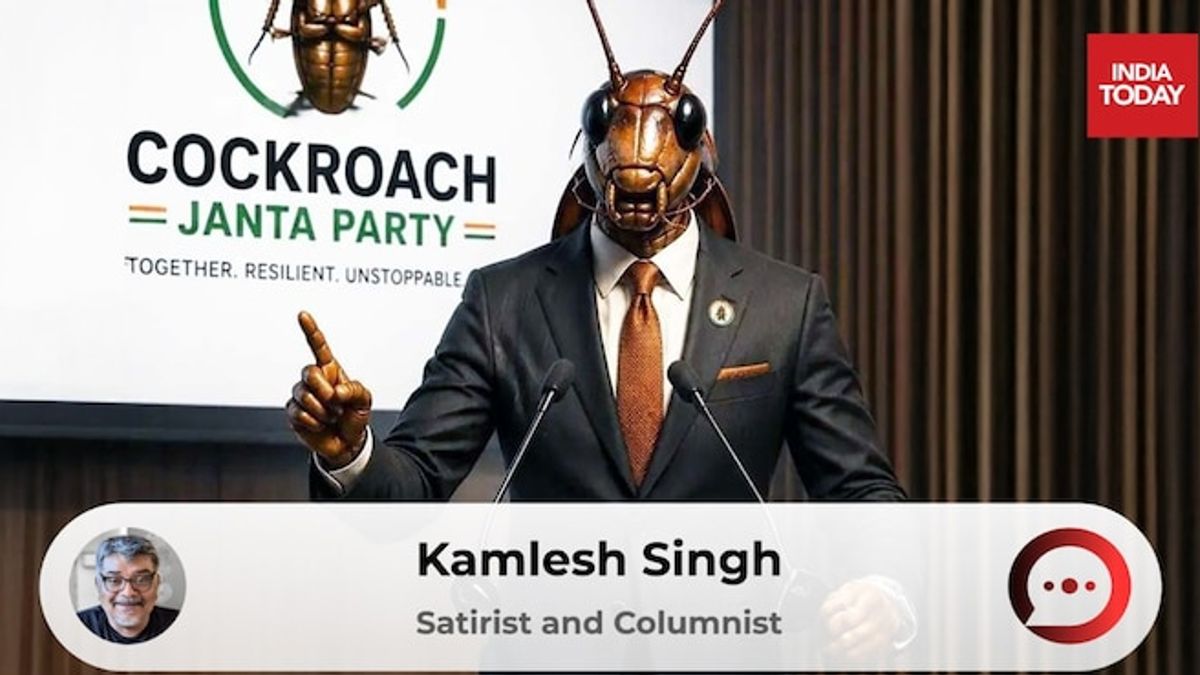
Kamlesh Singh, a self‑proclaimed satirist, leaned over a chipped mug and declared the movement a "Cockroach Janta Party," a tongue‑in‑cheek nod to a creature that outlived dinosaurs and politicians alike. He was not alone. Boston‑based Abhijeet Dipke, who flounders without a job but carries a political calling card similar to the AAP brand, slapped flyers on a rusted desk, hoping any echo would ripple across the restless Gen Z electorate.
Truth is, Gen Z in India is no single bubble. The youth on the Mumbai bus, the Anjali in Bangalore's tech hub, and the Samir on a village road all wake to different tunes. The Cockroach Janta Party laughs at that division, using the cockroach as a mascot of resilience. They claim, in each chant, that like the insect they refuse to be overthrown by instant political promises. It’s a shiny, satirical shield for a generation tired of middle‑man politics.
But here's the problem: the name itself carries history. "Cockroach" came from Spanish cucaracha, broken down into "cock" and "roach" by a language that never met the original. The animal survived everything: mass extinctions, plagues, even atomic overloads. Many women in the city prefer "roach" over "cock," a small flirtation with euphemism that the party laughs off as a new linguistic twist. In Hindi, the bug is called tilchatta or telchatta; the word slips between sesame and oil, a nostalgic echo of grandma’s kitchen, a detail that fans find oddly heartwarming in the political lump.
Still, the satire doesn't stop at wordplay. The party’s slogan, "Survive like a cockroach," serves as a critique of political longevity and hope. The irony hits when the same folks who laughed at the absurdity also toss petitions. The movement won’t win seats overnight, but it bores a question into the conversation: what does it mean to belong to a generation that defines itself by digital footprints and not age?
Meanwhile, reports suggest that the party is gathering traction in fringe protests and comment threads where commentary gains traction more than upcoming polls. The spectacle shows that humor can become a loud echo in the hum of campus rallies. Even if the movement remains a mouthful in the press, its snack‑size antics resonate where fatigue and frustration meet. It breaks the mold of mainstream campaigns that run on bold promises and flashy jingles.