When the whirring of a bulldozer sliced through sunrise over the Big Bend, locals knew a wall was coming. That hum sounded different today; it carried a collective chorus of voices that spanned the map’s entire political arc. Trump‑era border policy had always split pundits, but this time it was forging a new bond instead of cementing old divides.
But here's the problem: the wall’s path cuts through one of America’s last preserved deserts, a place where wind, wildlife, and old trail lore mingle. Environmental groups say the construction will shatter migration routes for bighorn sheep and golden eagles. Meanwhile, ranchers worry the barrier will divide pastures, making cattle movement tougher. And tourism operators fear the wall dampens the rugged appeal that draws visitors worldwide.
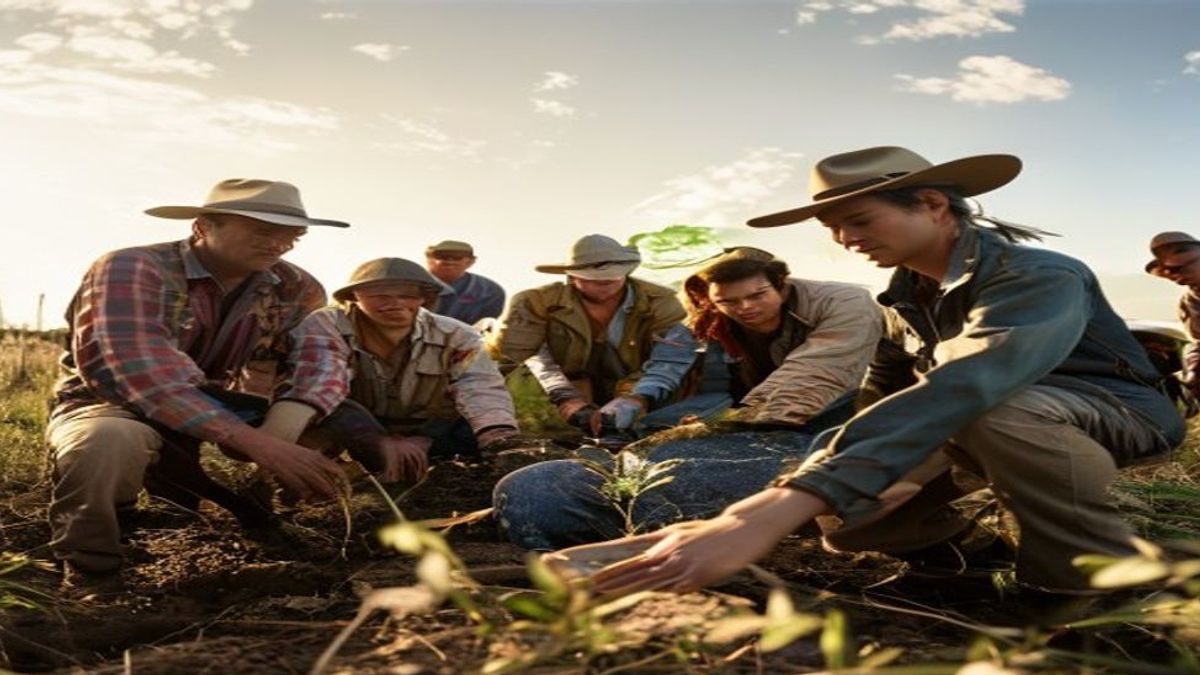
Truth is, the coalition’s core strength lies in its sheer diversity. An unlikely banner ties together a cattle farmer, a University of Texas wildlife biologist, a retirement‑plan advisor, and a high‑school coach. Together, they’ve picked up the mantle of local stewardship. They’re not just protesting a concrete grid; they’re arguing for the future of the land that fuels them.
In town halls across the county, conversations shift from “who’s voting for the wall” to “who’s voting to preserve the hills.” During one meeting, a young woman we’ll call Maya, a high school sophomore, said, “It’s about what we leave for our kids. A wall is a built‑in line that cuts us in half.” Her words cut sharp, yet more people leaned forward as they heard that promise of shared responsibility.
Rally organizers have turned to creative ideas: silent marches at dusk, barriers made of stacked native grasses to illustrate resilience, and a series of open‑air debates broadcast live on local radio. The messaging, plain and earnest, states the wall’s length, not just its cost. Even the county clerk, expecting a referendum, found herself inked by a petition that ran to over a thousand signatures in just a week. The action shows a community willing to barter political turf for nature’s peace.
Meanwhile, federal officials announce the new proposal comes under a different lock change law. They dismiss local protests as fringe opposition, ignoring the material effect on an environment already strained by drought. Still, the narrative on the ground has shifted: a wall is no longer only a political symbol; it’s a literal deficit in the landscape.
And yet, the real step forward may lie in a contract of compromise, where the county can negotiate a narrow corridor that satisfies security while letting the horse on loan across county lines keep running. One can argue whether the wall will be lifted or adapted—yet the people have already signed on for a conversation.