“It is sad,” the Supreme Court declared, after the court heard a plea against the National Testing Agency, the body that runs NEET and other entrance exams. That remark, loud as an echo, underscores a larger, long‑standing failure. The court issued a notice to both the Centre and the Education Ministry, spinning a web of accountability over the leaked NEET‑UG 2026 paper.
Because the NTA has already admitted that the leak happened, the court demanded a reply about the monitoring committee that was promised in earlier orders. The brief, tortuous path of the committee remains opaque. The Court’s anger boils from a chief omission: the absence of corrective steps after previous leaks.
In its petition, the Federation of All India Medical Association asked the judiciary to replace or fundamentally restructure the NTA. That demand came through advocate Tanvi Dubey, whose words were driven by frustration. FAIMA called the NTA’s handling “systemic failure.” The petition urged that a new, tech‑savvy body, free from past tech glitches, should take over.
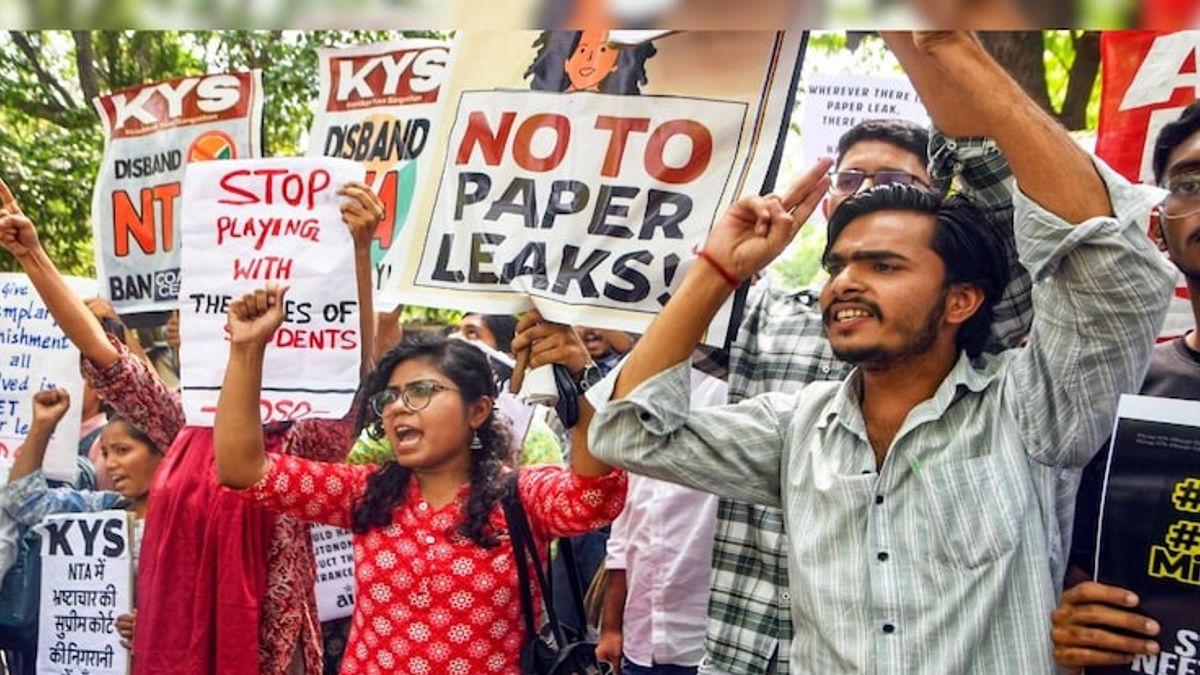
After the 3 May NEET‑UG exam suffered a leak, the NTA cancelled the sitting. A few days later, the Centre handed the investigation to the CBI. Yet the public still questions whether the probe will be thorough. The CBI’s arrival is seen by some as a lifeline, while others see it as a last‑minute patch.
The fallout has ripples that reach far beyond exam papers. The reliability of India’s medical entrance system is now under scrutiny. If exams can be hijacked, who can trust the talent‐scoring process? The stakes ring high: students, aspirants, and the future of medical education all hang in the balance.
When the Supreme Court called the case “sad,” its words carried more weight than a verdict. The nation's testing machinery appears to be repeating the same mistakes, posing a question about systemic reform. The same might have been avoided if lessons had been heeded.
Are we ready to rebuild an exam system from the ground up, or will this “sad” assessment merely become another footnote in a long history of repeat crises?