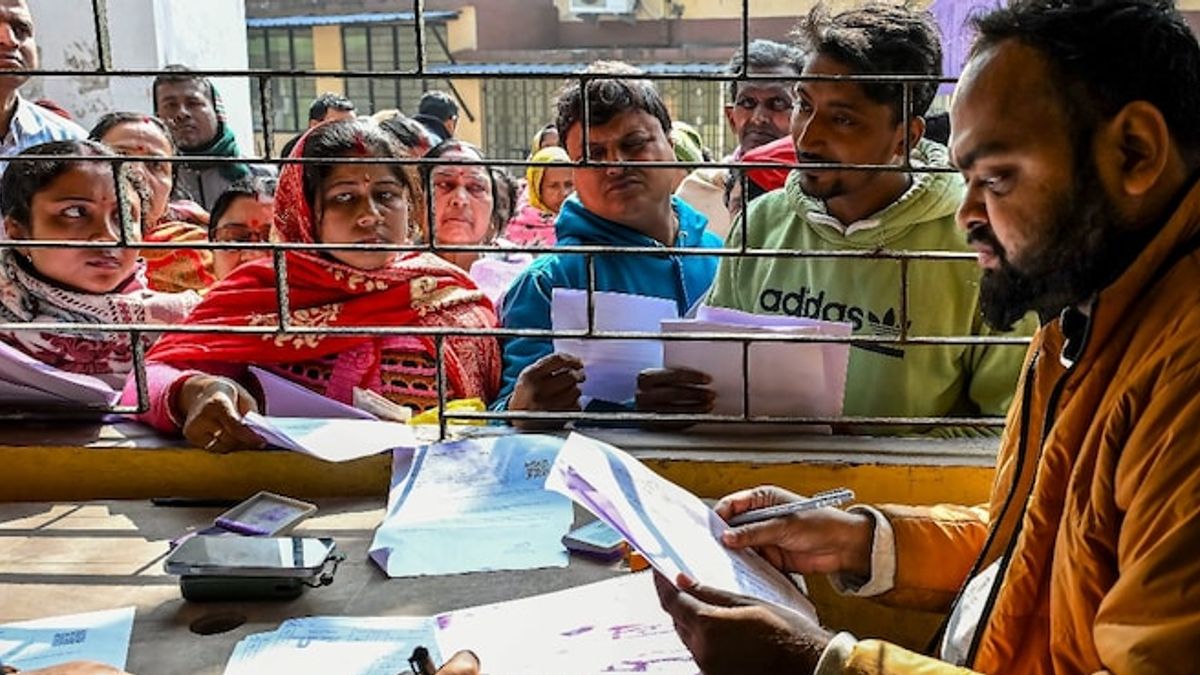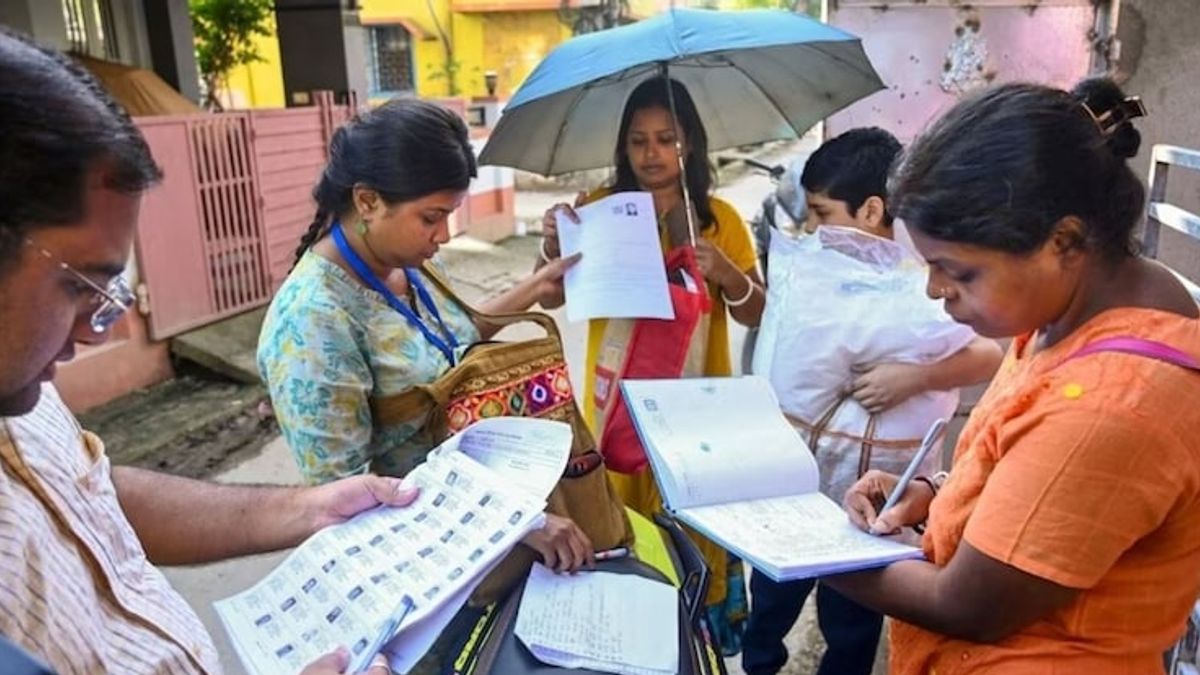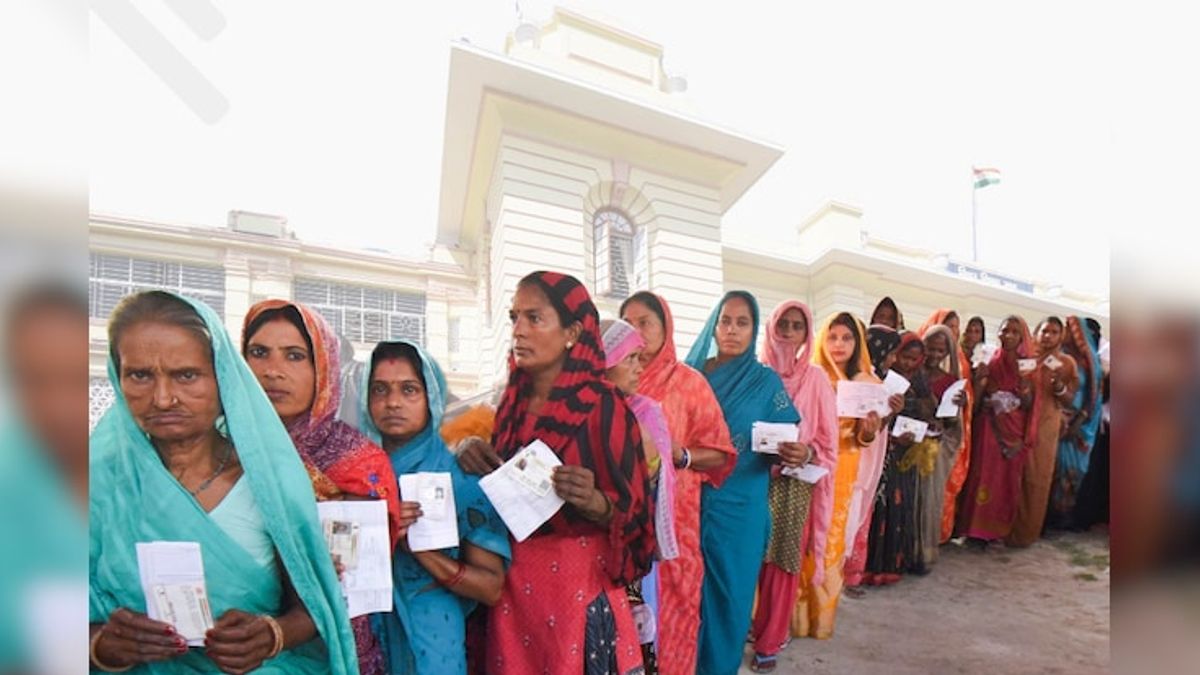
Supreme Court sets stage for a landmark vote on today’s schedule. The bench, featuring Chief Justice Surya Kant and Justice Joymalya Bagchi, will weigh the validity of the Special Intensive Revision, or SIR, that first hit Bihar in June last year.
Three months of heated debate, scathing emails, and midnight draft memos. The SIR was designed to slash duplicate entries and tighten the roll, but critics argue it flips the verification burden onto voters—essentially turning a citizen into a suspect.
Petitions tally up to the bench in a dizzying array of names. NGOs such as the Association of Democratic Reforms and the People's Union for Civil Liberties filed the initial challenge. The court also faced signatures from activist Yogendra Yadav and MPs Mahua Moitra, Manoj Jha, K. C. Venugopal, Supriya Sule, and Mujahid Alam, among others.
Truth is, the legal question centers on Article 326 of the Constitution, the Representation of the People Act of 1950, and the related rules that grant the Election Commission powers to tweak the roll. Will the court find that the commission overreached, or will it uphold the SIR as a permissible tool in election administration?
Meanwhile, the political ramifications remain razor‑sharp. The ruling could turn the tide for upcoming elections, offering the ruling alliance a cleaner voter base or, conversely, turning the electorate into a linchpin of dissent. Opponents fear that a favorable judgment might effectively concatenate partisan advantage with legal precedent.
At the same time, civil‑rights advocates argue that the revision creates a “suspended citizenship” regime, potentially disenfranchising thousands who simply prove their identity. With the court about to deliver its decision, the question hangs heavy: Will the Court restore electoral certainty or push the nation into a new chapter of civil‑rights uncertainty?