Midnight traffic snarled when a convoy of students leaned against the curb of a national highway near Gauhati University. Their shouts cut through the silence, a raucous anthem that would last until dawn. "We deserve to study without breaking our savings," one shouted, her voice reverberating off the concrete walls. The protest was no isolated act; it was a coordinated effort spanning student groups that usually stand on opposite sides of the political spectrum. The unity was striking, a rare moment when banner colors blurred into a single purpose.
At the heart of their anger lies the fee‑waiver scheme that promises free admission to everyone who applies. Too many students, however, still claw at bags to pay elevated admission costs while the promises stay a distant hope. The university’s current pricing pushes newcomers into debt, turning education into a luxury rather than a right. The students were not merely complaining about numbers; they complained that the administration’s failures were costing life plans.
The blockade intensified on Monday as students lined the stretch of highway that feeds the campus. Motorists in the surrounding town floundered, horns blaring, as the protestors refused to back down. Hours of traffic jams turned a quiet suburb into a circus of impatience. When the city police arrived, their faces mirrored frustration; they attempted to persuade the youths to leave the road, but the students stood firm. "You'll need more than a threat," a group leader countered, eyes blazing.
Honorably uncut, the cooperation between student bodies from ruling and opposition parties shook the quiet normality of campus life. Every group had a different history, a different manifesto, but the common thread was a demand for fair and affordable tuition. The unity was a whisper of the past, a glimpse into a more collective voice in a country’s educational system. Their slogans screamed for institutional accountability, and for the first time, a single chant echoed across campus politics.
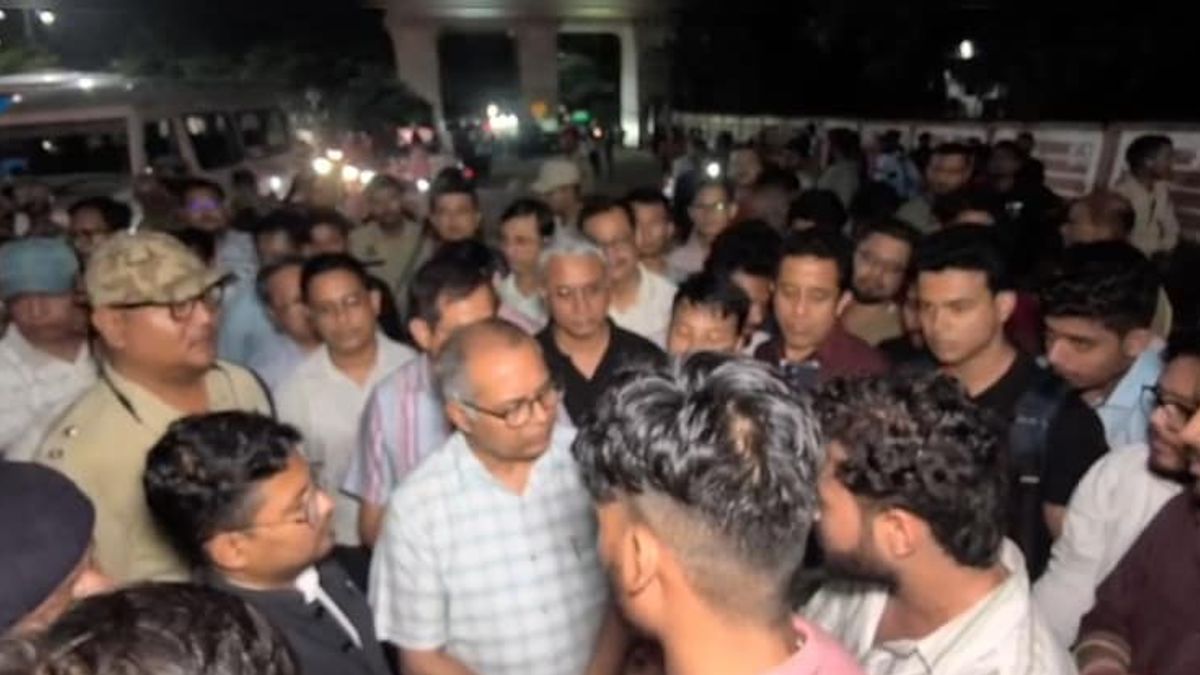
Late into the night, senior police officers, a judge from the civil administration, and the university’s chief administrator assembled near the barricade. They attempted to calm the demonstrators, promising a review of the fees and a clearer approach to the waiver scheme. Still, the students didn’t budge; they demanded a definitive timetable and tremendous changes that would stop the charges from rising again. The officials left, unsure of whether they had even read what the protesters were shouting.
As the sun broke over the campus horizon, the students remained by the highway, eyes on the horizon. The question remained: Will the administration heed their demands or will the protest’s echo fade into another forgotten sunrise? The answer has a broader echo beyond the gates of Gauhati University, reaching students, parents, and anyone who dreams of a fair chance at higher education.