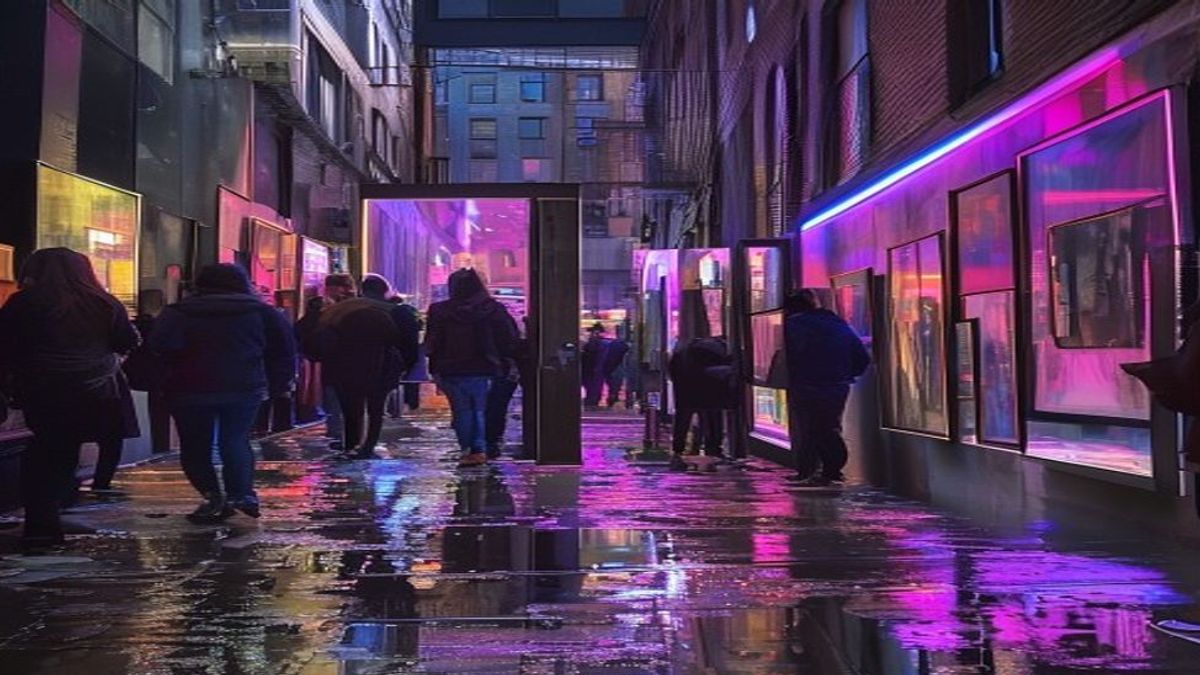
Three months after the Taliban seized control of Kabul, a quiet rebellion flickered in Brooklyn’s streets. At the bustling Photoville Festival, a collection of sharply focused portraits sits beside neon signs, a stubborn reminder that stories survive even when the press shutter is shut. Each image is the work of a young Afghan woman who walked the forbidden roads of her homeland and returned with a camera, a tool that no decree can lock away.
Truth is, the Taliban’s grip has tightened on women’s voices, shaming them to silence. Yet these photographs do something a blasphemous decree could not—flash a glimpse of quiet defiance. Behind each face, the photographer threads a tapestry of hope: a child in traditional dress amid crumbling mosques, a woman holding a battered notebook that swears to rebel. They serve as a diary of pain and ambition splashed on urban pigment.
The exhibition curators claim the series is an act of solidarity, not propaganda. Still, the fallout is already a fever test for diaspora communities. Some visitors, eyes wet, note that the images bridge the gulf between past and present, hands that once held toys now hold irony. Interview footage from the event shows local activists lining up for the show, pressing their fingers to the glass as if the aromas were still there. That sensory overload underscores an undeterred spirit.
Meanwhile, the imagery’s path to Brooklyn isn’t accidental. In the weeks before the festival, the cousins sent the photos through a chain of NGOs who risked being flagged by security forces. The anonymity of their identity protects both the sisters and the others behind a shutter. They question: will the world read these images while they’re still living under a regime that bars even the softest expression?
And yet, one question pushes through the gallery’s cold air—how far does the ripple of these photographs travel? The festival corridor is lined with onlookers, some whispering, some reached for their phones, capturing moments that may become a lifeline for families still hidden in dusty basements of Afghanistan. The rays of the city light toy with the glass of each frame, hinting that even under tyranny, some truths can light up distant skylines.