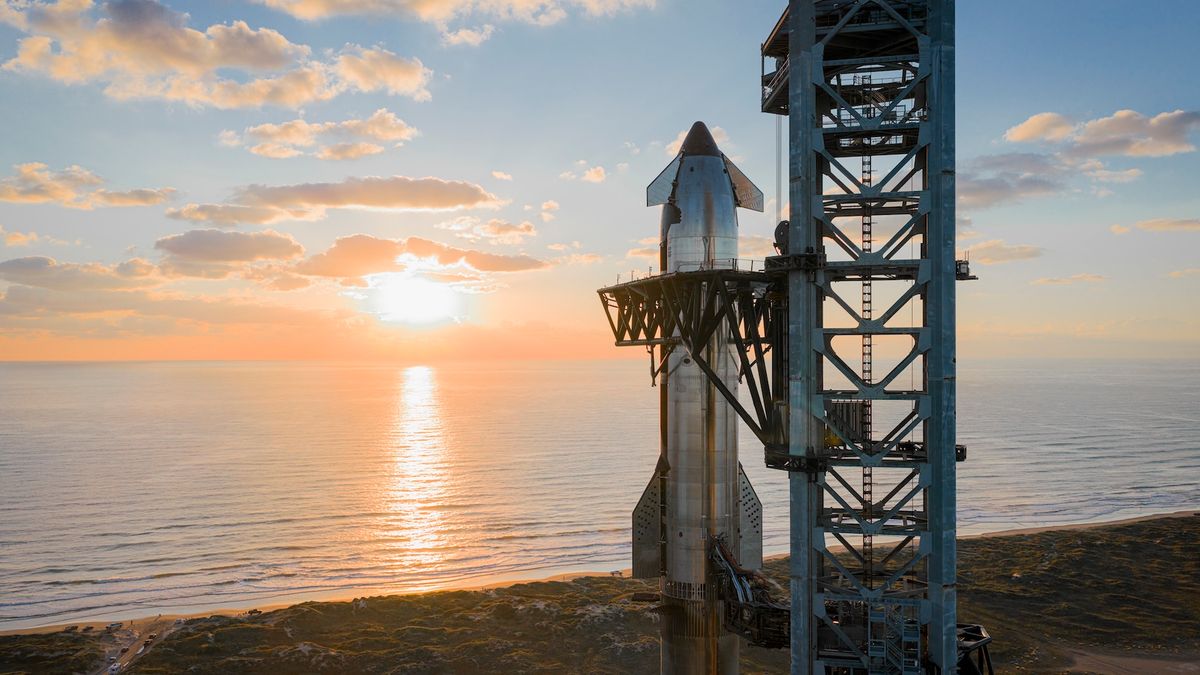
“We believe we have identified the largest TAM in human history,” came the unexpected press release this morning, delivered with the same clipped delivery that has become SpaceX’s signature. The blunt line, devoid of the usual puffery, implied a monumental scope that could redefine the firm’s future. The world that has watched Falcon 9 streak past Earth and Starship test fire from Boca Chica now turns to the numbers hidden away in Mars‑bound vaults.
White‑board charts, morning coffee, and a faint whine of rocket engines set the scene as SpaceX executives gathered in a modest room overlooking the launch pad. Media buzz, usually a backdrop to clandestine billionaire ventures, exploded as analysts whispered how tall the company’s finance tower finally looked. In a company that has never rung a bond or issued quarterly reports, the decision to open its books feels less like a corporate makeover and more like a check‑in with investors long unpaid.
The concept of a “total addressable market,” or TAM, is simple: it’s the total revenue opportunity available for a product or service if it captured 100 percent of the market. But when SpaceX says it has found the largest TAM ever, it signals a horizon that dwarfs conventional commercial space. Think satellites, crewed missions, raw asteroid mining, and even the promised habitable outposts on Mars. The company’s claim is that, if the universe wants to be tapped, it wants the whole thing. That is the height of ambition.
Why does this matter beyond the fan club? Investors who have wondered about a sale or a sizable round of funding now have something concrete to debate. The revelation that SpaceX is willing to share its ledger is paired by a chilling admission that the company’s growth rate has begun to slow, at least in the pitch‑perfect language of corporate speak. Yet, closing that gap between rocket launches and revenue streams could mean introducing new feeder services or, perhaps, licensing Starlink to other providers. The financial transparency could be a lure for bigger world players to play within SpaceX’s orbit.
Meanwhile, the story offers a glimpse into a world the company has kept discreet. Each public look at SpaceX’s numbers sparks a wave of speculation about who funds the next round of rockets. Behind the curtain has the private equity that once invested in the private military contractor Spectre. The decision to open the books and then elide the figures will fuel a debate about confidentiality versus accountability. The same NDA that kept flight schedules secret is now part of a larger discussion about how to thread public interest and private innovation.
In a field where governments already keep some missions in the dark, the company’s sudden humility may be a bargain for its own brand image—or a warning that the next big player will be willing to share barriers, not secrets. Analysts are already scrambling for the missing pieces, pushing for a clear, concrete spreadsheet. Could the next wave of space pioneers be competitors stepping out from the shadows, or is it a signal that SpaceX will share the launchpad with all? One thing remains—when a company that has never released quarterly earnings says it knows the size of the market, the sky no longer looks the same.