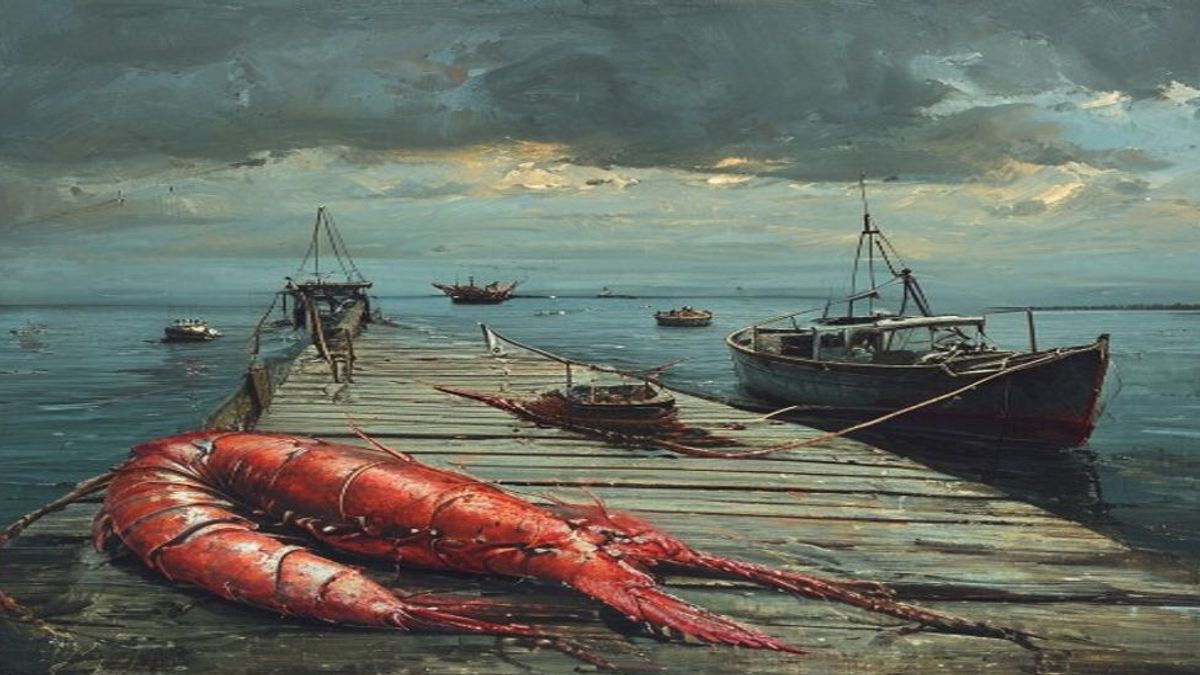
At 5:00 a.m., the sound of a diesel engine sputtering out echoed over the dusty pier as Captain Miguel Reyes strapped on his boots. His crew stared at the empty water, their nets tangled in gear that won’t cut through the tide much longer. “It’s just too much,’’ he muttered, lights flicking on his phone. A simple wish, but one that rings through a growing chorus of Gulf shrimpers.
For decades, the Gulf of Mexico has been a cradle for shrimp: a feeding ground for the world’s taste bud and a lifeline for coastal communities. Yet, the tide is turning. The number of boats still charting these waters has shrunk dramatically, a trend that only cracks wider as fuel prices climb. Diesel, the lifeblood of any shrimp operation, has edged past $3 per gallon in recent months, a steep hike that slashes margins. Even the seasoned shippers who have weathered market dents need new footing.
“We’re making the same miles as before, but the cost of getting there just grew,” says Lopez, a 27‑year veteran whose crew has always run “on a tight budget.” The problem isn’t new; the industry has known of competition for years, but the influx of cheaper imports from Southeast Asia has turned what was once a healthy struggle into a relentless squeeze. These foreign fleets haul shrimp en masse, selling wholesale—often under heavy subsidies—at a fraction of the cost that Gulf shrimpers shelve. The price war is visible in the sea‑door plates that locals fight to keep alive.
And so the shrimpers turned to a bigger audience. Several small vessels have signed a collective letter urging Congress to consider a tax break or a fuel stipend. The note references the Department of Transportation’s 2019 “fuel patches” that helped fishermen in other regions manage diesel spikes. More than a plea, it’s a lifeline that could keep Gulf shrimps on the market floor and keep families—drafted into a quietly shrinking workforce—anchored in place. But the polite nod from Washington is far from certain.
Still, there’s skepticism among the crew. “We’ve heard promises, but nothing’s landed,” says Dalrymple, a full‑time crew member who’s also part of a local fishermen’s council. He knows the budget cycles, the politics that privilege big industry shifts over tiny boats. The press has been slow, too. News outlets often spell the story in data points or economic jargon, but the human side feels as vital as the numbers.
Meanwhile, environmental advocates note a silver lining: if Gulf operations falter, the natural balance could shift. Shrimpers manage catches through a regulated system of quotas, which keeps the ecosystem in check. A collapse could invite overfishing by larger shipments that ignore such constraints.
Truth is, the Gulf shrimpers are caught between rising costs and a market that blades a knife at their apron. The question grows sharper: will lawmakers listen to the floundering tides of the sea‑floor community, or will the Gree per the tide blast out elsewhere?