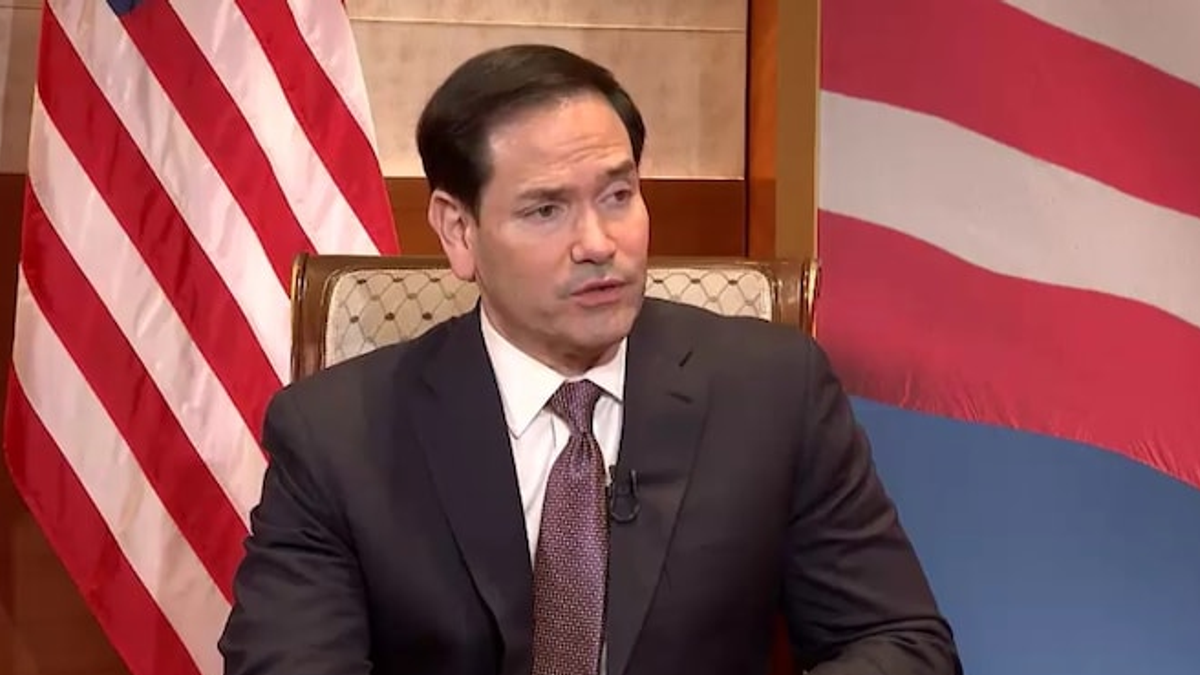
Marco Rubio announced from a New Delhi press conference that the India‑US trade deal could close in two weeks. The buzz was palpable; even the microphones seemed tinged with anticipation. “We’re down to the very final details,” the secretary of state said, sounding the beat like a countdown. The statement landed in a room where economic weight sits heavily in the air.
For two years, Washington and New Delhi have danced around tariff reductions, intellectual‑property rights, and market‑access commitments. The deal isn’t a fresh venture; it’s the culmination of back‑to‑back talks that began in 2014. Both sides face domestic lobbyists and public opinion that can turn a treaty into