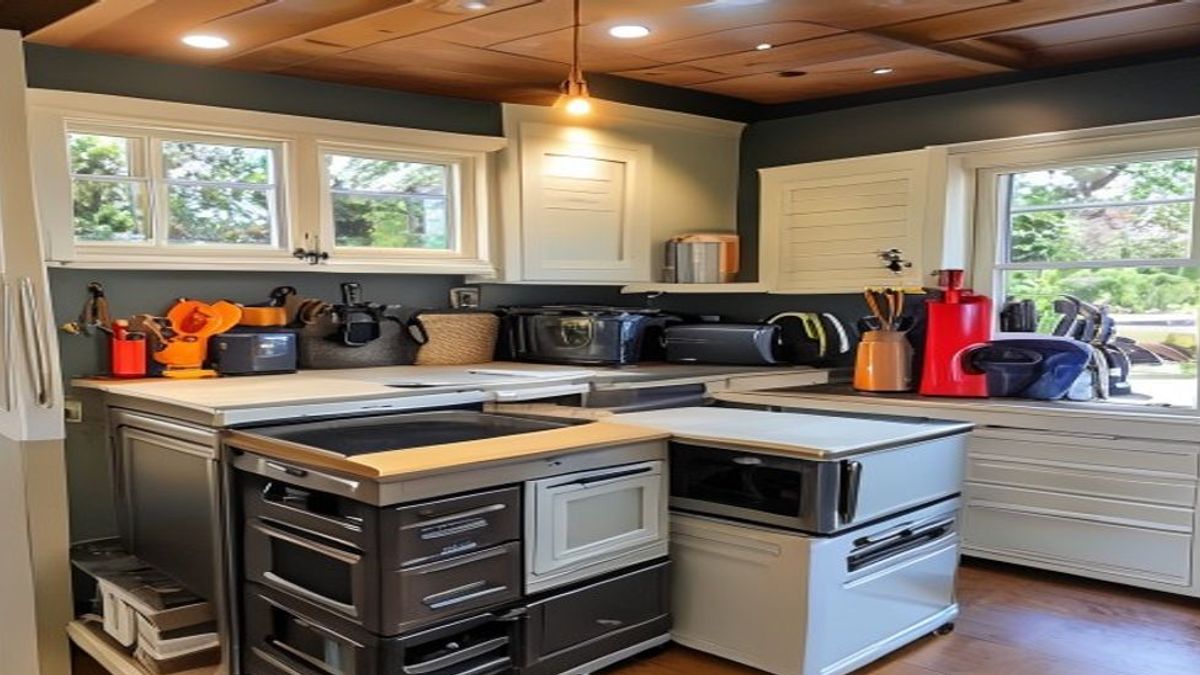
Three flickers of fluorescent light dimmed the corner kitchen on Market Street. The door swung shut, and the scent of pre‑mixed soup lingered. Inside, an array of sleek, humming machines took center stage, doing what humans had always done: cook, stir, and plate with cold efficiency. The nonprofit, long a lifeline for the Tenderloin’s homeless, had made this unlikely partnership after volunteers began draining like a steady leak. That decision simmered into a quiet, mechanical revolution.
People have known the Tenderloin as a patchwork of bars, hustlers, and one‑night shelters. Food racks creak, and the neighborhood can feel the weight of hunger on every inch of sidewalk. Earlier this year, the nonprofit’s volunteer base dropped by nearly half, a casualty of the pandemic and shifting priorities. Their kitchen, once a hive of activity, was left understaffed, yet the community called with a steady stream of requests for soup, bread, and toasts.
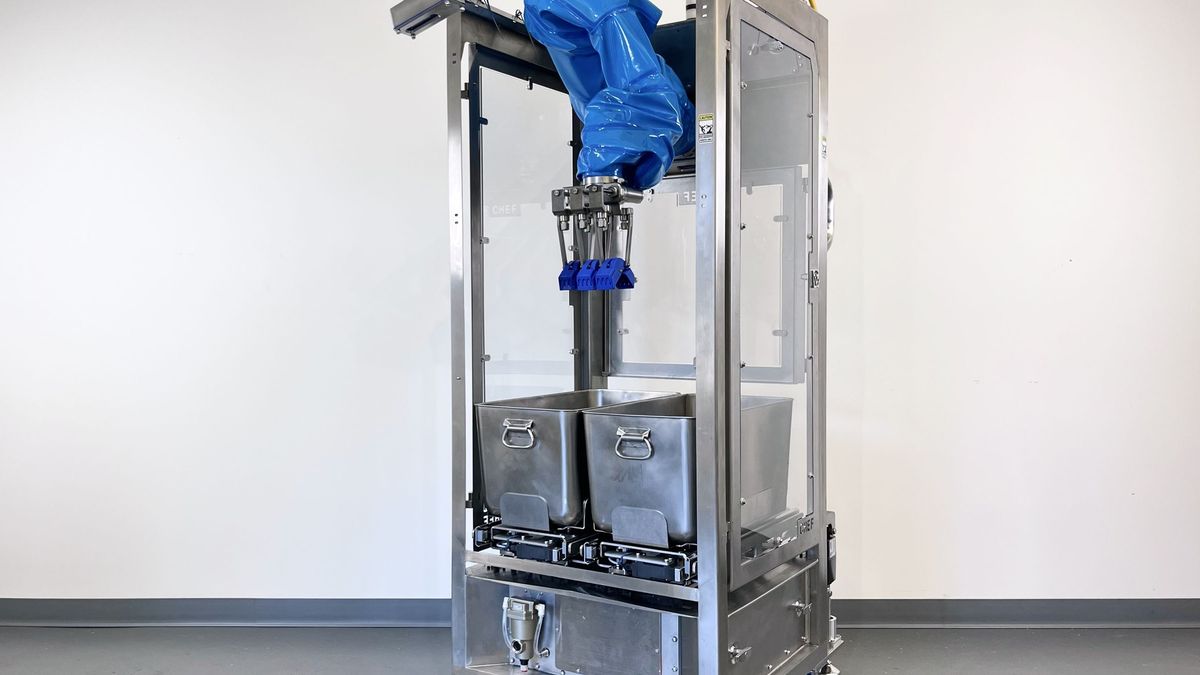
Enter the robots. Not fancily branded, but a line of task‑specific units: one chops carrots with surgical precision, another weaves noodles through steam vents, a third arranges bowls in by‑the‑millisecond pace. They work 24/7, no coffee breaks, no shifting schedules. The nonprofit’s director, a silent observer behind a curtain of gauges, noted that the machines saved the team from the burnout that once ruined the raw creativity of the kitchen staff.