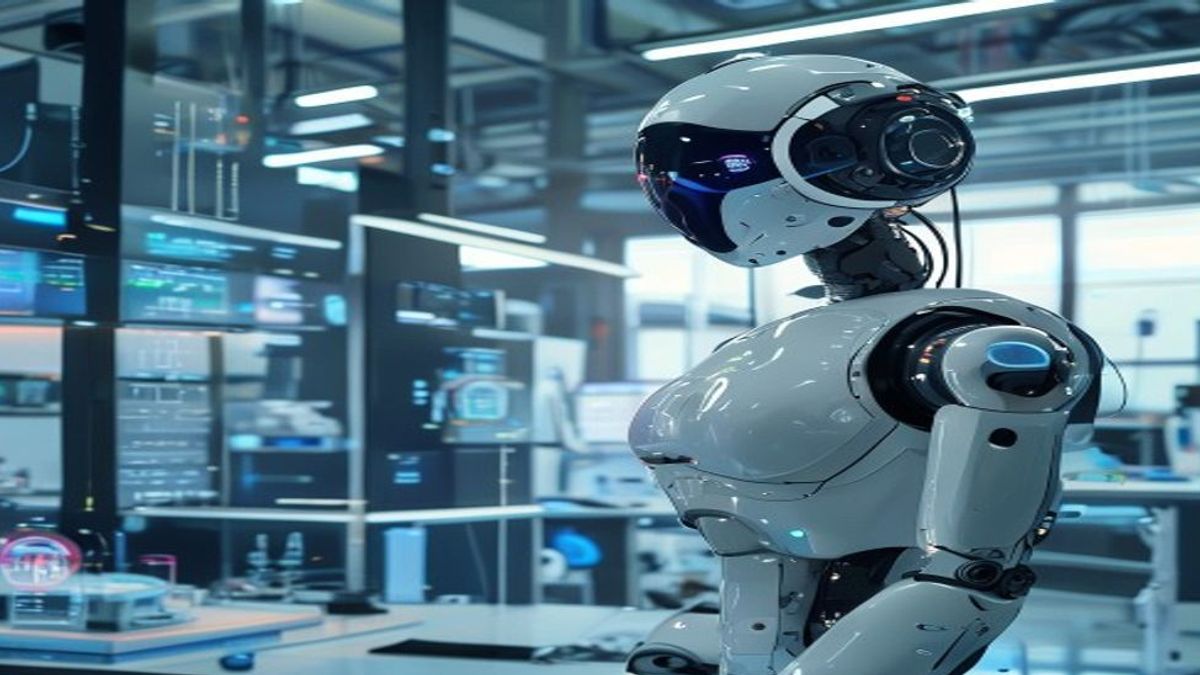
Three arms clinked. They rewired a vial of reagents as if choreographing a ballet rather than a lab experiment. The code glowed. Beneath the glow, a lab assistant watched, wondering if this new choreography would replace human intuition. It was a quiet moment that felt like the opening scene of a sci‑fi thriller.
The leap came when machine‑learning models could predict chemical pathways faster than any human brain. Scientists had to double‑check the data. Now, instead of manually measuring solutions, technicians upload a protocol and hand the machine its task. The routine has shifted from human hands to humming processors, and the lab space feels emptier but profoundly more efficient.
But here's the problem: when robots get smarter, researchers fight to keep a foothold in