Mayor Ritu Tawde lifted a glass of bubbly, glass slanted just so, to a packed auditorium at the National Gallery of Modern Art. The moment, startled by the sudden sparkle, marked the inaugural night of “Celebrating Mumbai – A UNESCO Creative City of Film.” Mumbai’s honor as India’s sole UNESCO City of Film is no longer a whisper; it’s a headline, and the city’s heartbeats synced to the beat of a thousand reels.
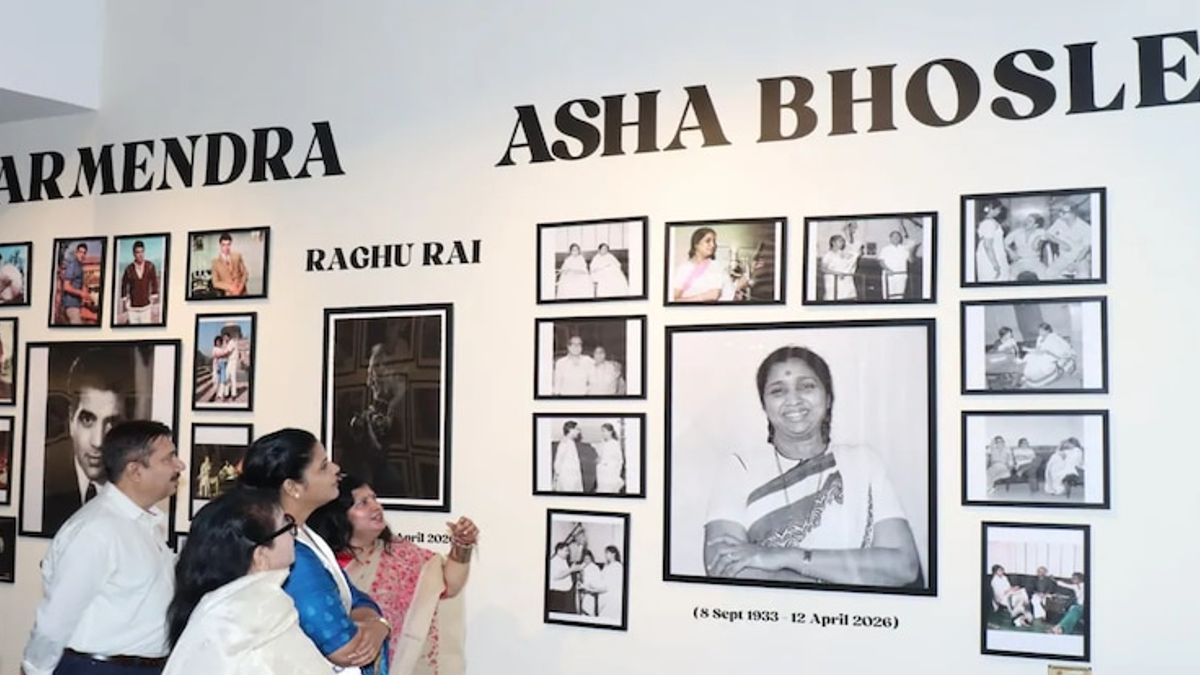
Three posters line the gallery’s walls; each a snapshot of cinema’s soul. “Lens and Legacy: Cinema in Focus” curates Hindi and Marathi films, painstakingly catalogued by film historian SMM Ausaja. The frames breathe history, pulling in echoes of Guru Dutt’s shadows and the gritty realism of Marathi street dramas. Seasoned archivists crowd the exhibition, their fingers tracing the cracks in the film frame, while novices inhale the smell of popcorn‑laden optimism.
Thursday’s program is a whirlwind: screenings that trap you in the glow of widescreen wonder, workshops where directors dissect storytelling, and jam sessions where animators remix classic motifs. The city’s cultural practitioners—artists, educators, and writers—storm onto the stage in an impromptu dialogue that feels less like lecture and more like a village square debate. They ask, “What does Mumbai mean for cinema outside Bollywood’s glare?” The answers are layered, revealing a city that has hosted silent films, myth‑making epics, and indie experiments in equal measure.
On the 26th, artists in twill coats joined a Marathi Chalchitrapat, a celebration of local storytelling that sliced through the night like a spotlight on a forgotten stage. The following two nights see the same spirited “Marathi cinema” ricochet, attracting villagers from the outskirts into the city’s cultural alcove. The repeated dates underline a bold truth: Marathi was never just a side story; it’s a narrative marathon that runs parallel to Hindi’s monologue.
In a corner, two faces—Aliaksandr Matsukou, Belarus’ Consul General, and his wife Alesia—greet each ceremony with an almost cinematic grin. Their presence speaks volumes about Mumbai’s international pull. Urban historians note that UNESCO’s nod provides a passport that opens new streams of cultural tourism; at the same time, it tightens grips on local creative assets that usually drift to distant metros.
While the glittering soirées mesmerize, the undercurrent is pragmatic. Corporators Harshita Narvekar, Gauravi Shivalkar, Reeta Makwana, and Shashi shout from stages bullets of opportunity: “We’re not just about reels; we’re rewriting how the city sells joy, danger, and hope.” They pitch a plan to expand film schools across the suburbs, turning classrooms into improv labs that siphon fresh ideas back into the city’s sprawling narrative.
With the event lingering like a scent in the air, one question grows sharper: if Mumbai can earn a UNESCO badge, can Bollywood outbid its own past? And maybe, just maybe, that’s a dialogue that begins in a quiet gallery and ends in the flicker of a mainstream opening night.