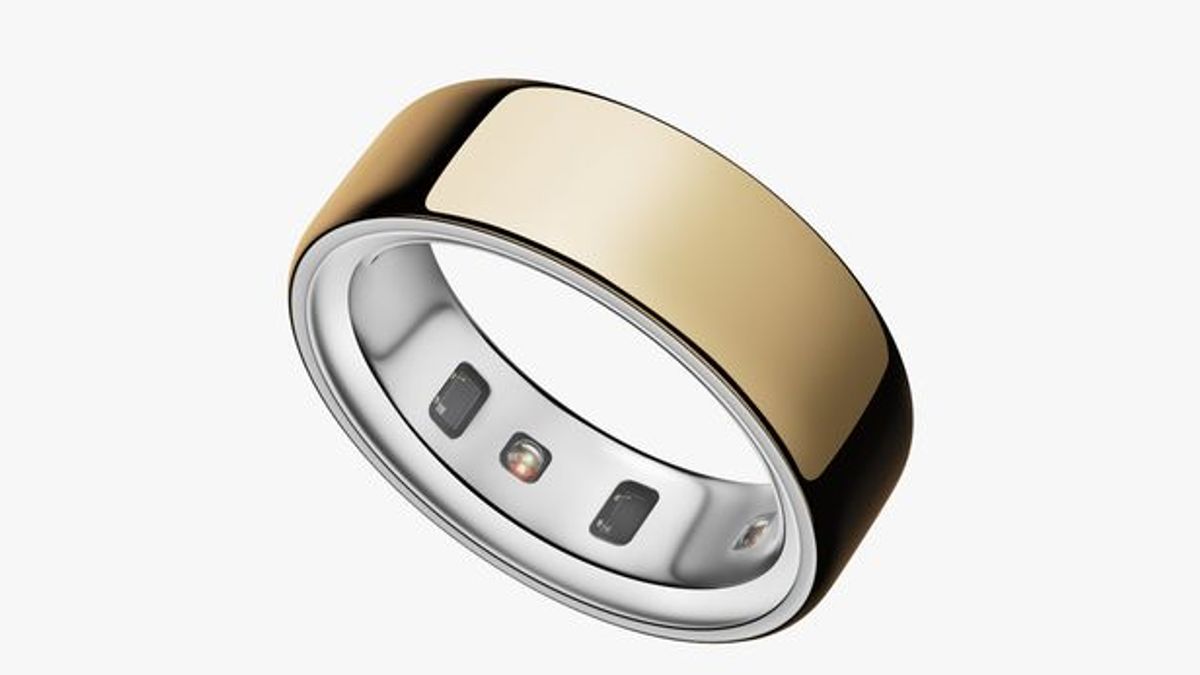
Trailblazers like Oura have proven that a ring can be a health hub without the bulk of a smartwatch. The band’s sleek titanium shell fits comfortably around the finger, and its tiny sensor array records sleep stages, resting heart rate, and daily activity in real time. The company says the ring runs for weeks on a single charge, a feature that turns the device from a daily maintenance ritual into a “set‑and‑forget” companion.
RingConn, meanwhile, has taken a different tack. The startup has leaned into affordability, positioning its band as a budget‑friendly alternative that still delivers core metrics—steps, distance, heart‑rate, and sleep quality. While the ring may lack the high‑end design polish of its rivals, it’s praised for its open‑source firmware, letting developers build custom apps without barrier. That openness breathes an exciting, if untested, future into the narrow market of smart jewelry.
Samsung, fighting for a slice of the wearable share, pushed its Galaxy Ring last year into a beta rond. The firm paired the thin band with its smart‑watch ecosystem, allowing users to view notifications, track workouts, and lock phones—all from the comfort of their finger. Samsung’s drapes the new ring with a flexible display that users flip to see stats or reply to texts. It’s still unclear if the design will resonate beyond dedicated app users, but the company embraces the idea that future wearables may be as small as our accessories.
But here’s the problem: the data these rings generate is as personal as it is abundant. With a record of every heartbeat, breath, and movement, privacy policy has become a headline. Oura has pledged that metrics remain on the device unless the user opts into a health study. RingConn’s open‑source stance invites scrutiny, while Samsung’s integration into its larger ecosystem raises questions about data cross‑platform sharing. All three companies disagree on how much insight is too much.
Meanwhile, the market’s pressure is real. The ring’s extended battery life offers a stark contrast to the five‑hour daily charge of most smartwatches, and for many, that convenience screams appeal. On the other side, the small form factor limits screen space, so no device can offer a full app library on its own. Developers must therefore rely on phone back‑ends, which reduces the “always‑on” experience that many users crave. That tension keeps manufacturers scrambling to find the sweet spot between size, functionality, and privacy.
Still, the debate is not over. As more athletes, doctors, and daily users adopt ring‑style trackers, the cognitive load of decision‑making will grow. Will the future of health tracking live in a sleek ring, or will a smartwatch’s larger canvas prove indispensable? The answer may finally reveal which wearing experience people think of first when they storm the bedroom at dawn.