At 3 a.m., wrists numb and coffee burnt, the author set up a makeshift bench in an empty warehouse. From a pile of everything from micro‑USB to docking ports, they launched a marathon that would soon turn the city’s most over‑promised gadgets into a list of only true performers.
Truth is, you don’t just buy a power bank because it glows back. Over 100 units were dragged onto the table, each one lit with its own promise of power. No brand banned. No pre‑tested filters. Just raw tests: how fast a phone spins up from 0 to 100, how much a laptop tolerate on a single charge, whether a handheld console can play for an hour after a full dump.
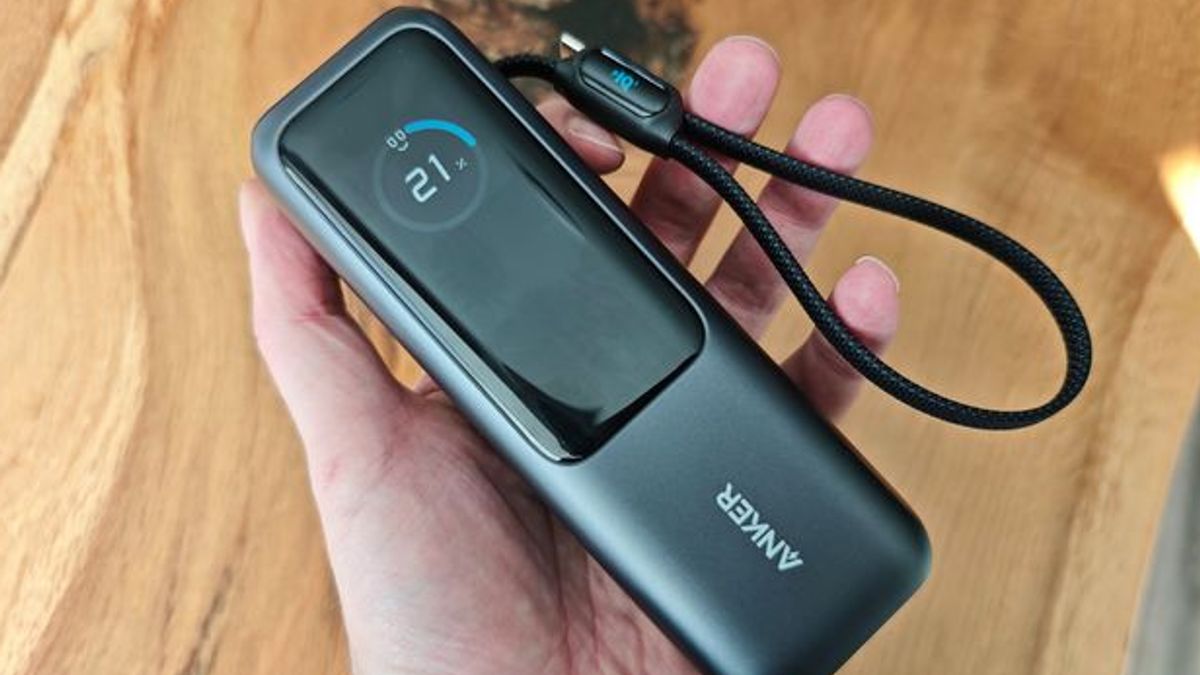
It turns out the real winners share a few hallmarks. They’re under 300 grams, pack more than 10,000 mAh, and have at least two ports that honor the fastest standards. Two models stood out because they kept consistent output even when the battery was near empty. One delivered 29 watts to a laptop, another kept a Nintendo Switch alive past the 1 am mark. All three red‑flagged any over‑current, a safety feature that drops the risk of a scary fire.
Why does this matter? Because most of us juggle three devices in a single lap. Geeks on the go need a laptop that won’t quit during a pitch. Gamers need a console that won’t pause midway through a raid. Phone‑first commuters depend on a little backup that fits in a pocket. The heavy weight of a 20‑amp charger is a deal‑breaker; a sleek, well‑balanced pack can become a staple of a digital nomad’s backpack.
Meanwhile, the market for portable chargers is swelling.