Ranveer Singh’s sudden departure from Don 3’s set left crew scrambling before an industry‑wide ban took shape. The actor, who had completed early scenes and rehearsals, walked away with a silence that echoed through the lot. It wasn’t a dramatic exit; it was a terse, almost abrupt walk off that did nothing for the production’s timetable.
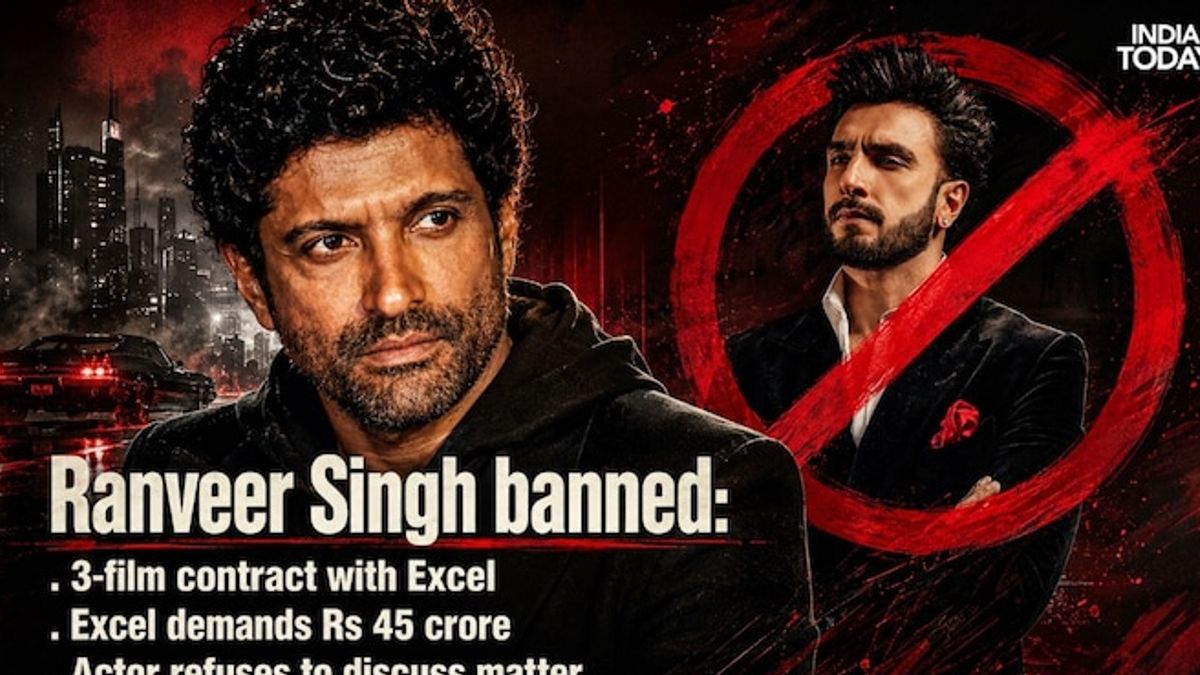
FWICE, the Federation of Western India Cine Employees, has stepped in. The union issued a non‑cooperation directive that effectively bars Singh from working on any film in the region until the matter settles. Their press conference on Monday was straightforward: no collaboration until a resolution occurs.
Truth is, the union’s chief argument hinges on a Rs 45 crore claim. Producers, who saw the actor’s exit as a breach of a multi‑film contract, are seeking compensation for damages the set incurred. The union’s words, short and firm, underscore that the incident threatens the “security” of future projects. They claim a sudden exit at a critical stage can unsettle budgets and trust.
Meanwhile, the fraternity was surprised by the lumpiness of the dispute. Directors, technicians, and production staff, all bound by a shared chain of trust, feel the ripple. The union’s declaration that “the film world is one extended family” brightens the sense of reverence for a collective effort, yet it also reveals how one decision can crack that fragile unity.
Still, the move carries weight beyond a single film. Local vendors who supplied props, and post‑production teams that had gotten set up for Singh’s role, face financial grief. A ban on Singh, a star who draws worldwide audience, threatens to ripple downward, affecting ancillary jobs and the market for screen actors.
And yet, the union may be seeking more than money. They appear to test a boundary: can one high‑profile star walk away while the rest of a production bears the damage? The BN of 45 crore, the final union demand, may signal a pivot toward stronger enforcement of contract agreements in the Indian film industry.