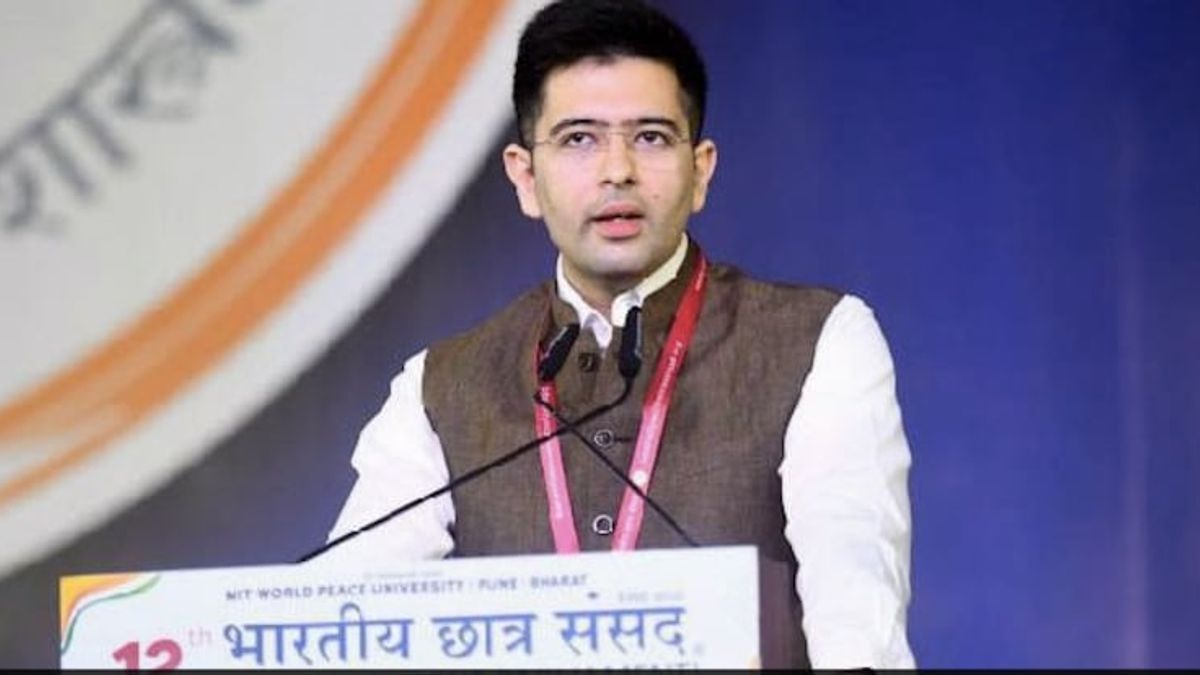
Raghav Chadha, the newcomer to the BJP after leaving the AAP, was announced as the new chairman of the Rajya Sabha Committee on Petitions. The move comes after the house reconstituted the panel on May 20, under the direction of Rajya Sabha chairman C P Radhakrishnan. It is a routine shuffle, but the timing invites a closer look.
In the notification, the panel now lists Chadha alongside nine others: Harsh Mahajan, Gulam Ali, Shambhu Sharan Patel, Mayankkumar Nayak, Masthan Rao Yadav Beedha, Jebi Mather Hisham, Subhasish Khuntia, Rwngwra Narzary, and Sandosh Kumar P. The gathering of names reveals a cross‑bench mix that might keep the committee’s work transparent. Meanwhile, the Rajya Sabha secretariat also named Dr. Menaka Guruswamy a member of a joint committee on the Corporate Laws (Amendment) Bill. In the lower house, the Lok Sabha speaker tapped Arvind Ganpat Sawant for a similar post, signalling a nationwide effort to keep these committees functional.
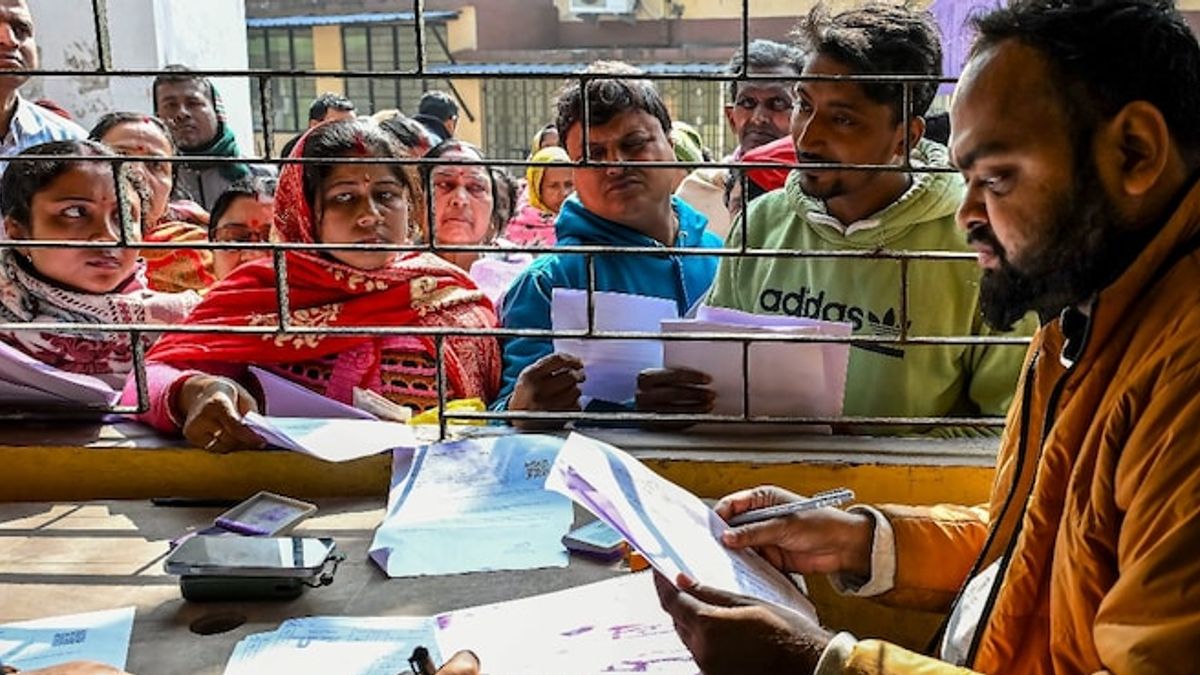
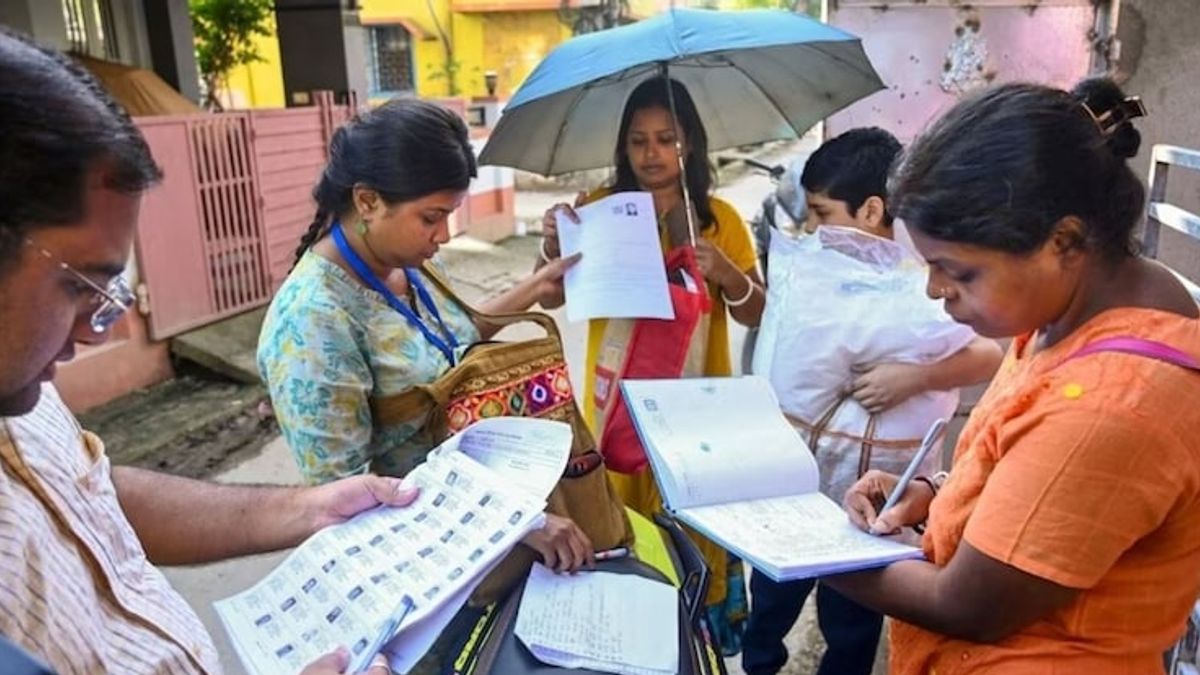
The petitions committee is tasked with scrutinizing requests from citizens to Parliament. Petitions can range from trivial complaints to serious constitutional questions. They are a direct window for public grievance in a democracy where the floor of Rajya Sabha rarely hears a single citizen voice. How the committee handles these matters often reflects the broader political mood.
Raghav Chadha’s appointment may not be just ceremonial. His recent party switch suggests a willingness to operate under the BJP banner, potentially giving the committee a different ideological tilt. The BJP’s legislative agenda has leaned toward legal reforms, and having a chairman aligned with that outlook could shape how petitions are sifted. This is not a claim about bias, but a fact that could alter the committee’s next steps.
What does this mean for everyday people who file petitions? If the committee becomes more efficient, a citizen’s plea might reach a parliamentary voice faster. If the committee turns its back on certain kinds of petitions, backlash could grow. Observers are watching the committee’s hearings closely, hoping the new leadership will bring fresh focus to citizen concerns.
Will Raghav Chadha’s tenure prove to be a quiet change or spark a reckoning on how petitions are processed? The next series of committee meetings could answer that question.