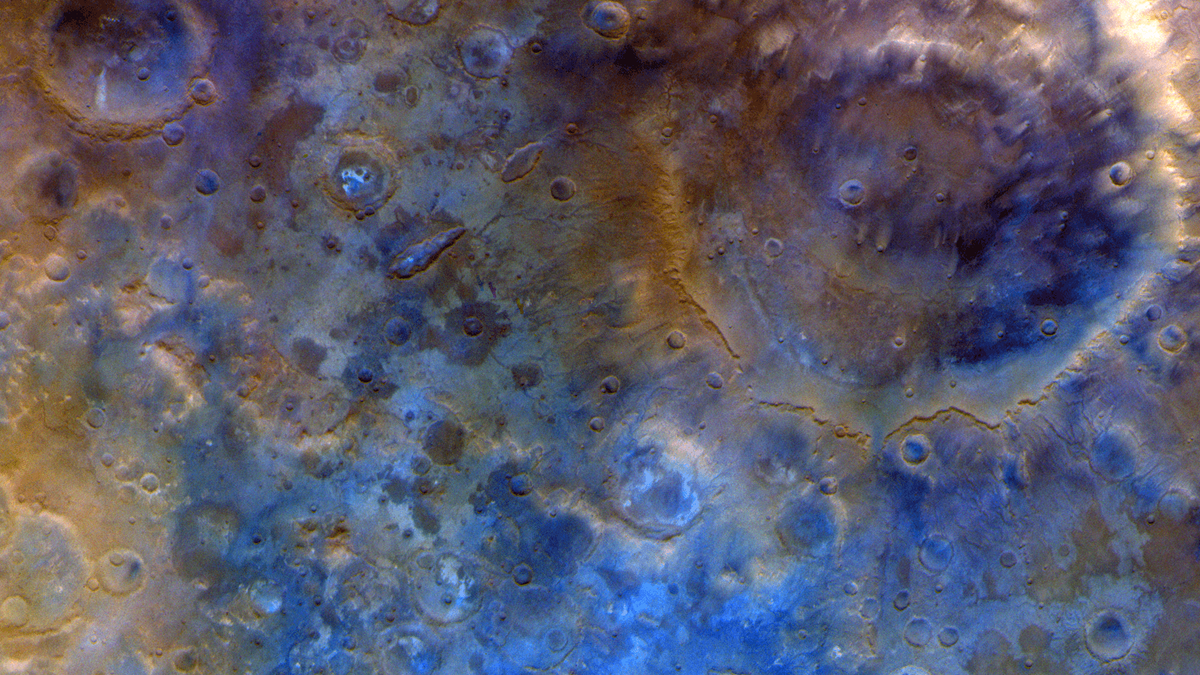
NASA’s Psyche probe, a deep‑space craft launched to study the metallic asteroid 16 Psyche, swooped past Mars in February. The Mars flyby, a side mission, became a prime moment to check cameras against a familiar, well‑mapped target. The planet’s streak of dust and craters offered a live test for the probe’s imaging system.
“We wanted to make sure every pixel was accurate,” a engineer explained over a video call. While spiraling around the planet, Psyche’s lenses snapped a set of images at intervals, each one a snapshot of the shifting shadows and bright spots across the Martian surface. The data fed back immediately, letting the team tweak exposure settings and adjust calibration curves.
Those pictures turned out to be more than proofs of concept. The probe caught Mars in a range of wavelengths: visible, near‑infrared, and ultraviolet. The resulting images showed a planet that looked far sharper than any of the past flyby shots. People could see details of dust geology, the Mariner outcrops, and even the thin, wispy cloud haze—a testament to the instrument’s reach.
Why does this matter? The real goal is to lock in accuracy