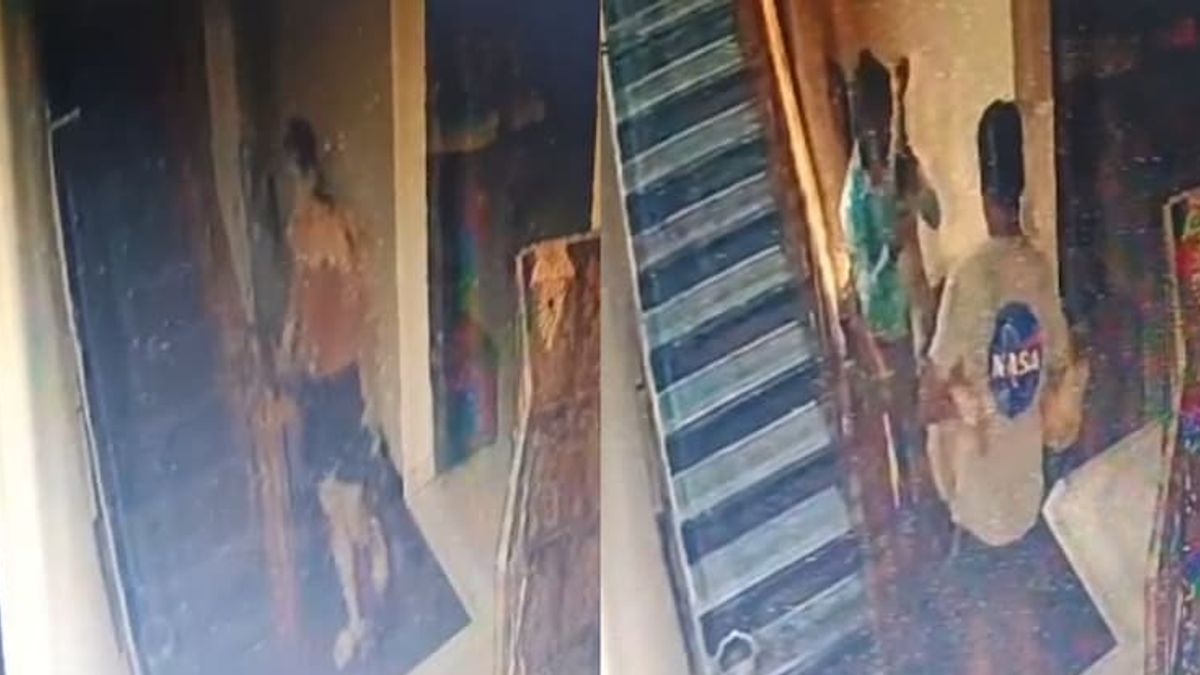
Three men clutch Twisha's limp limbs, her eyes barely open, as a flickering LED camera captures every motion. The footage shows Samarth Singh, her husband—a lawyer—quickly checking for a pulse before he, along with a brother and a close friend, attempt a clumsy CPR. Smoke lingers in the air, a faint smell of antiseptic mixing with the dust of the top-floor balcony they just left. They manage nothing, yet they drag her body, legs not yet loosened, to the landing below.
Twisha was found dead at her husband's residence in Bhopal on May 12. Police have begun a formal probe named a Special Investigation Team, headed by Misrod Assistant Commissioner Rajneesh Kashyap. His notes say the hunt for Samarth continues, while the backup looks to trace his stays and any hidden messages. The authorities also registered a case of dowry harassment and abetment to suicide, pointing fingers at both him and Giribala Singh, the mother‑in‑law, a retired judge with a reputation for stern judgments.
The couple was a product of a matchmaking app that claims to match based on compatibility algorithms. Their connection started in 2024, and the couple, lined up as a glossy couple on a dating site, married in December 2025. Reporters noted that the wedding was a small affair, but the posters from their Instagram page hint at a family‑size celebration that ended in tragedy.
Samarth's legal team tried to paint a different picture, claiming Twisha was a drug addict in psychiatric care, a rumor that some believe is exaggerated. Despite this claim, the Delhi and Uttar Pradesh courts granted Giribala temporary bail, prompting whispers that the family might be manipulating the system. The court is still waiting to decide on Samarth's request for bail, keeping the case in limbo.
To court’s order, the Institute of Forensic Medicine obtained a body scan last week, though the results have not yet hit headlines. Police further note the unsettling fact that Twisha’s umbrella had been left near the stairwell, an odd detail that might reveal a plan or a coincidence. The search for Samarth has drawn investigators to rural villages and city outskirts, but he remains at large, possibly hiding in plain sight or disguised behind a false identity.
With a high‑profile lawyer gone rogue and a mother‑in‑law still awaiting a court decision, the city has become punctuated with speculation—some see a dark rehearsal of dowry abuse; others suspect a desperate family cover‑up. If the allegations are proved true, the number of dowry‑related deaths cases in India will climb. Yet if the drug claim is accurate, the courts might instead enforce stricter mental health protocols for supposedly addicts in legal disputes.
For every question the police answer, another new one opens in