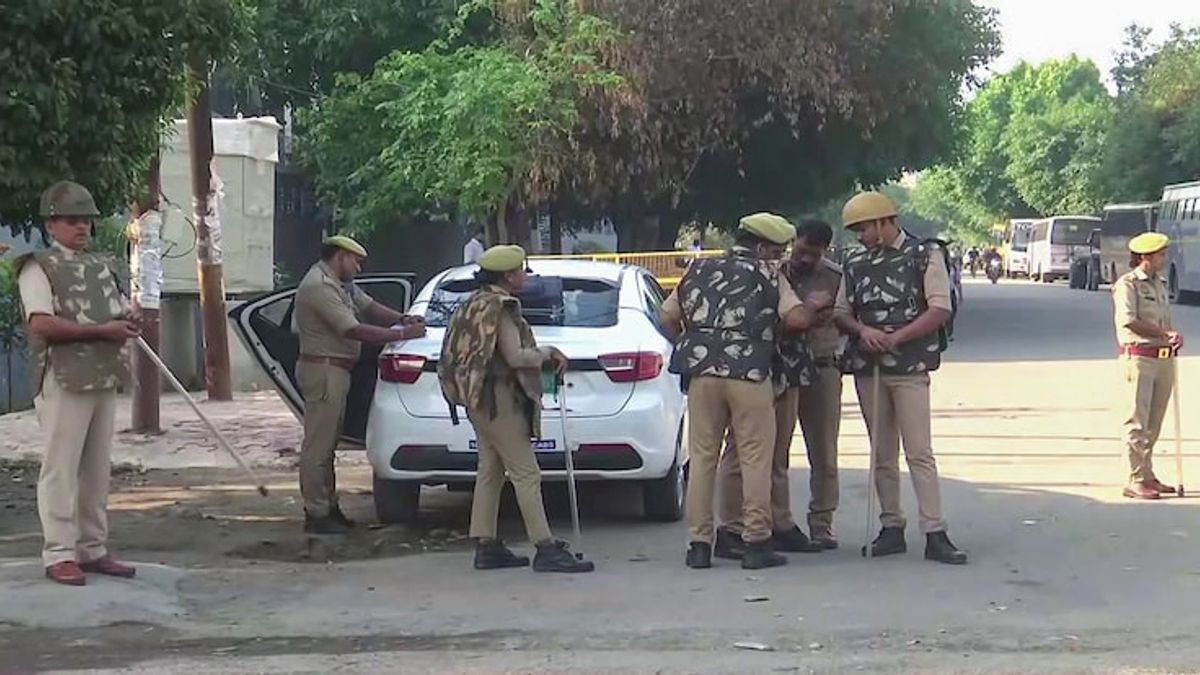
In a tally that rattles Uttar Pradesh’s law‑enforcement record, 289 criminals were shot dead in 17,043 police operations from 2015 to 2024. These “encounter” killings—where officers claim they were fired upon first—have long stoked a debate over police brutality and state excess. The police say the tactics stop crime before it lands, while critics argue they eclipse due process and produce a culture of impunity.
Across the state, the figures read 34,253 arrests and 11,834 injuries among those dragged to custody. On the other side, officers paid a heavier price: 18 dead and 1,852 injured in the line of duty. Numbers alone are a stark reminder of the personal risks officers face and the fragile balance between security and civil rights that the authorities must manage.
When you break the data down by district, Meerut stands out. Police logged 4,813 encounters there, hauling 8,921 criminals in and slapping 3,513 injuries on them. Nearest to the death toll came with 97 on‑the‑spot kills, the highest state‑wide. In that area 477 officers were hurt and two died while giving chase. Varanasi followed, 1,292 operations, 29 killings and 104 police wounded. Agra, with 2,494 operations, also saw a high rate of enforcement—5,845 arrests, 24 deaths and 62 officer injuries.
But here’s the problem: these numbers speak to a public security strategy that leans too heavily on lethal force. Human‑rights watchdogs have pointed out that many encounters turn out to be staged, with evidence of pre‑planned shoot‑outs. The policy, which has been championed as a deterrent, risks eroding trust in the police when community members fear their own safety in the pursuit of justice.
Meanwhile, legal scholars argue that the sheer frequency of encounters puts pressure on courts, which have started refusing to uphold cases where evidence is linked to a shooting. Yet governments press on, citing a rising crime rate in rapidly urbanising zones. That tension poses a question: do the numbers justify the means, or does the state need to rethink its approach to law enforcement?
And yet, the cycle of violence seems self‑reinforcing. In Bihar and West Bengal, similar encounter reports have sparked anti‑police protests. Should UP see a turning point, reforms could reset the scales. Or will the gun line remain the only answer in these hot spots?