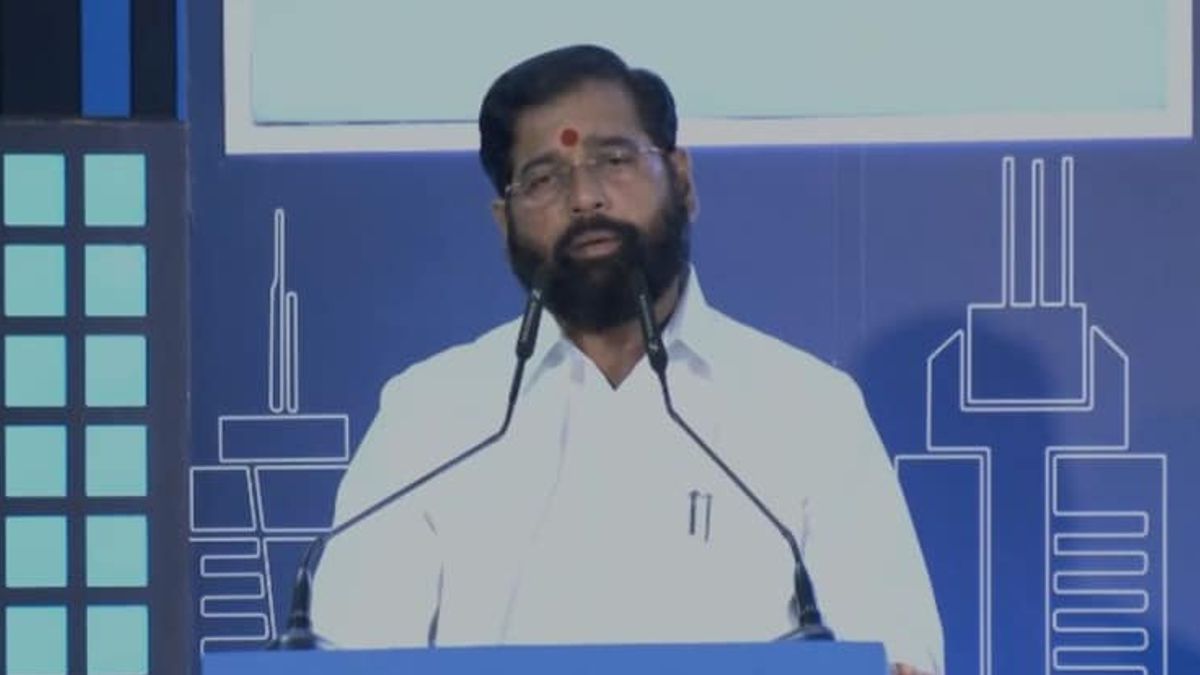
The deputy chief minister stormed into the Maharashtra Infrastructure Conclave, eyes fierce. He announced a 15‑million‑home mandate, listing Mumbai as slum‑free doomsday. “Mumbaikars shouldn’t be forced to live near nullahs in filthy conditions,” he shouted. The city’s politics have been unforgiving; that statement crackled on radio waves.
Truth is, slums have long been the backbone of Mumbai’s economy and imagination. Dharavi, the largest urban slum in the world, now sits on the front page of the new vision. The deliberate choice to cite it shows Shinde is not letting critics disengage, hoping to patch public trust. Still, the government has only started covering the ground: 19 cluster redevelopment zones charted across the metropolitan sphere as a first step.
And yet, a city needs more than a list of numbers. The plan says “wide roads, gardens, playgrounds, schools, and modern civic amenities