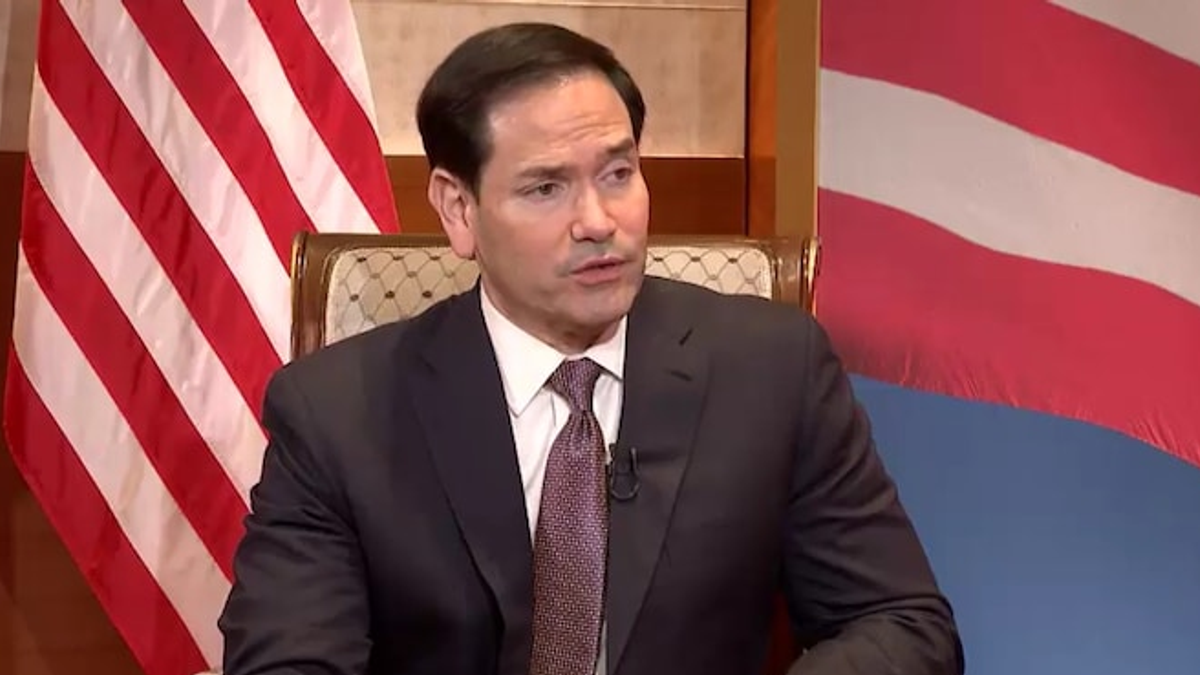
On a humid morning in Delhi’s bustling market lanes, the buzz of rickshaws mingled with the clamor of a politico‑economic debate that would reverberate across the globe. Marco Rubio, U.S. Secretary of State, stepped into that swirl of activity and immediately set the stage: India was no longer a peripheral ally but a core component of America’s strategic calculation. “We have a handful of really important strategic alliances. India is one of them,” he said on India Today TV.
Truth is, the world is throwing a gauntlet at it—wars in the Middle East, fragile supply chains, and a new Cold War as old rivals vie for influence. In that climate, the U.S. has no choice but to seek a partner that can hold its own in Asia. That partner? New Delhi. The stakes are high, and the clock is ticking.
Rubio’s remarks came after a jolt of diplomacy. He met with Prime Minister Narendra Modi and External Affairs Minister S. Jaishankar during a four‑day tour that threaded through Delhi, Mumbai, and New Delhi’s sprawl. All three leaders hung the same flag: a future built on shared interests. With Modi’s firm economic vision and Jaishankar’s diplomatic acumen, the trio mulled over how to trailblaze new contours of cooperation.
Meanwhile, trade talks have moved to the final frontier. “One of the clearest signs of the deepening relationship is the progress we’re making on a long‑pending trade agreement,” Rubio said, while refusing to spill the finer details. Yet the momentum hints at a shift that could reshape U.S. commerce in the region. This isn’t a brushed‑off negotiation; it’s a concrete step toward leveling the playing field for businesses on both sides.
But here’s the problem: While the U.S. leans on India for counterbalancing China and securing supply chains, India still wrestles with internal political dynamics. Leaders have to align policy, infrastructure, and legal frameworks to materialize these promises. The road won’t be smooth, but the destination promises a stronger, more balanced geopolitical mesh.
And yet, public confidence in the partnership matters. When citizens see their governments commit, domestic industries can mobilize to take part. The economic boost is palpable—sectors from defense to digital technology will see new opportunities open. A single trade deal can ripple through India’s vast market, sending a ripple through the American economy as well.
Still, not every headline will translate to action. The question is: Will this alliance endure beyond the spring of 2026, or will it be another fleeting headline? The proof will come in the next set of policy moves and the handshake over where the dollar meets the rupee.