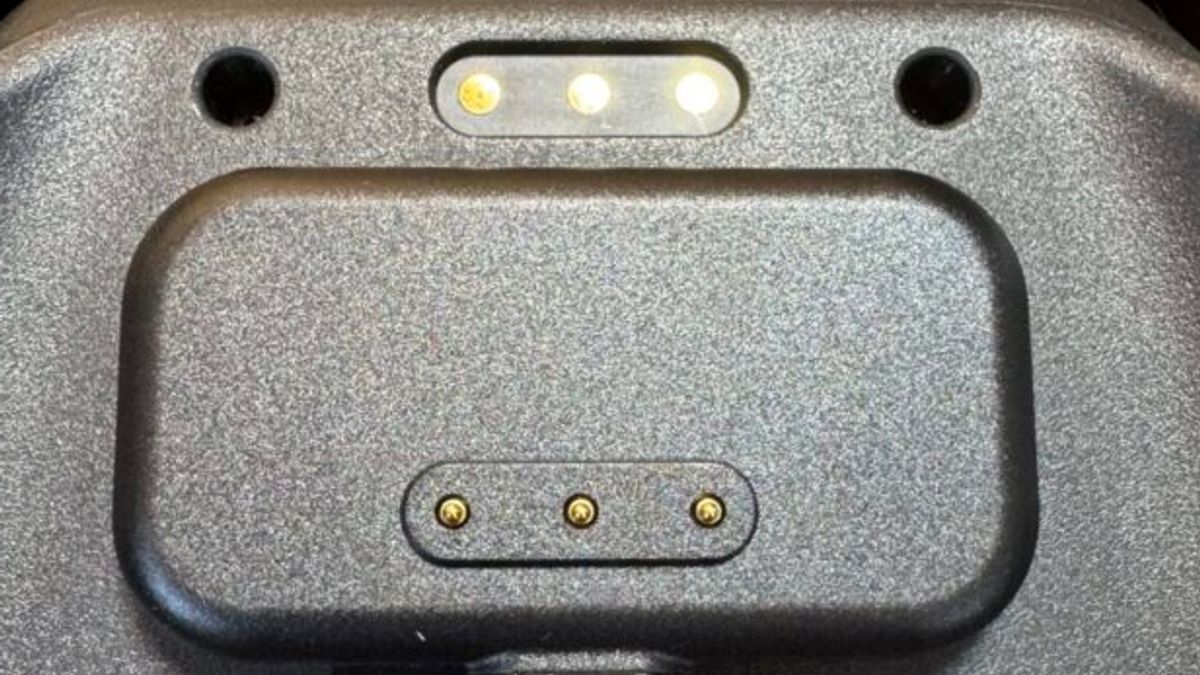
He flicked the Steam controller on, glanced at the blinking LED, and tossed the docking puck into its slot. He didn’t realize the metal rim of the dock was a silent conduit for heat. The puck’s exposed pins line up with the controller’s metal chassis, a point where a short can ignite before the warning lights flicker.
Valve built the controller to feel like a thumb‑sized joystick, but the magnetic dock was born from a desire to keep power cables out of sight. The design—four exposed pins protruding into the docking socket—does the trick, but it also creates an electrical bridge between the puck and any metal surface that touches it. A brief touch can send surplus current rushing through the pins, and the heat that follows can spark a small fire.
Fire risk isn’t just an abstract scenario. Metal conducts hot air faster than plastic. A contact with a metal desk, bookcase, or even a wristband can raise the temperature of the puck’s pins dramatically. In some cases, users reported the charging puck sweating, or even melting, after hours of contact. If the material around the pins loosens or the metal galvanizes, the risk increases.
So what stops a normal night at the keyboard from turning into a pyrotechnic show? First, keep the charging puck on a smooth, non‑metal surface. A wooden coaster, a dedicated charging mat, or a soft case can work. Second, check the puck after a session. If it feels warm, let it cool on metal‑free ground. Third, avoid stacking metal objects against the docking station. Finally, treat the charging space as a non‑metal zone—no laptops, no metal cups, no plastic containers with metal corners.
Valve asked users to heed the safety message in the Steam client. While no official recall has yet been issued, the company’s advisory came after a handful of posts from the community highlighting overheating incidents. The notice urges owners to disconnect the puck if heating appears, and to seek professional repair if the controller shows any damage. Valve’s response may not be on the headlines, but the warning lingers in the console household.
The fire hazard rule is simple: metal or no metal? The charging puck’s exposed pins can become a match at any time. It’s a subtle hazard that rides under the surface of a gamer’s routine. Why should a moment’s carelessness spark a blaze that could ruin a night of play? Or, what if the next conversation is about a burnt controller? Who will ask the question, tapping the charging dock in front of a weary gamer?