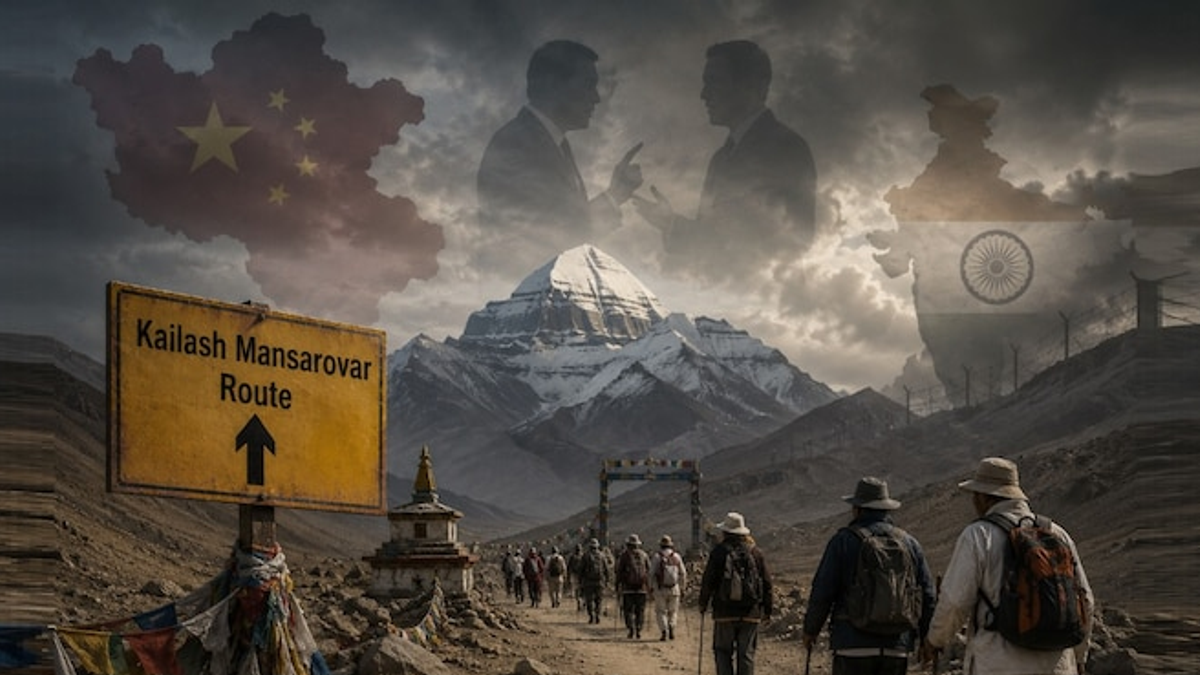
The wind at Lipulekh Pass rustles prayer flags like frantic flags. In the stillness, Nepal’s protest echo louder than the call of distant monasteries.
On May 20, a forged document slipped from India’s Ministry of External Affairs. It announced that pilgrims would again traverse the Lipulekh corridor for the 2026 Kailash‑Mansarovar yatra. Nepal filed a formal objection later—claiming the pass folds into its own territory. The three-way bundle of India, China, and Nepal turns the peaceful trek into a tripwire of sovereignty.
India’s travel routes nerve out like a map drawn with steel. The lip of the Himalayas hugs Uttarakhand’s jagged spine, passes through army posts, and opens onto a stark, wind‑cut corridor leading toward Tibet. For decades, this route carried thousands of devotees from the plains to the holy peaks. Now it may carry the same pilgrims, but also a fresh wave of negotiations and eyebrow raises.
To read the notes on why this friction spins, go back to 1816. The Treaty of Sugauli, signed after the Anglo‑Nepalese War, carved Nepal’s western edge along the Kali river. But the treaty left one small, stubborn grey area: the river’s true source. Today, that single ink line is still the line no one wants to erase.
That dispute sits at the heart of the Lipulekh claim. Nepal argues that the pass, the river’s headwaters, and the surrounding land belong to it. India points to the old colonial maps and Indian administrations that have run this road for generations. China watches, aware that control over the area could consolidate its own influence over the Himalayas.
For the pilgrims, the conversation isn’t about lines on a sheet of paper. It’s about the spiritual rhythm of their journey. But crossings are now subject to political threads. Border fences, visas, and the presence of armed forces will shape the pilgrimage’s cadence the way the prayer flags will sway. If negotiations fail, the sacred belt of mountains could grow new lanes of tension in place of the old quiet trail.
When the next pilgrims pack their retreats, will they step onto a path that is still tied up in old maps and modern politics? The answer could rewrite the simplest route for the next generation of seekers.