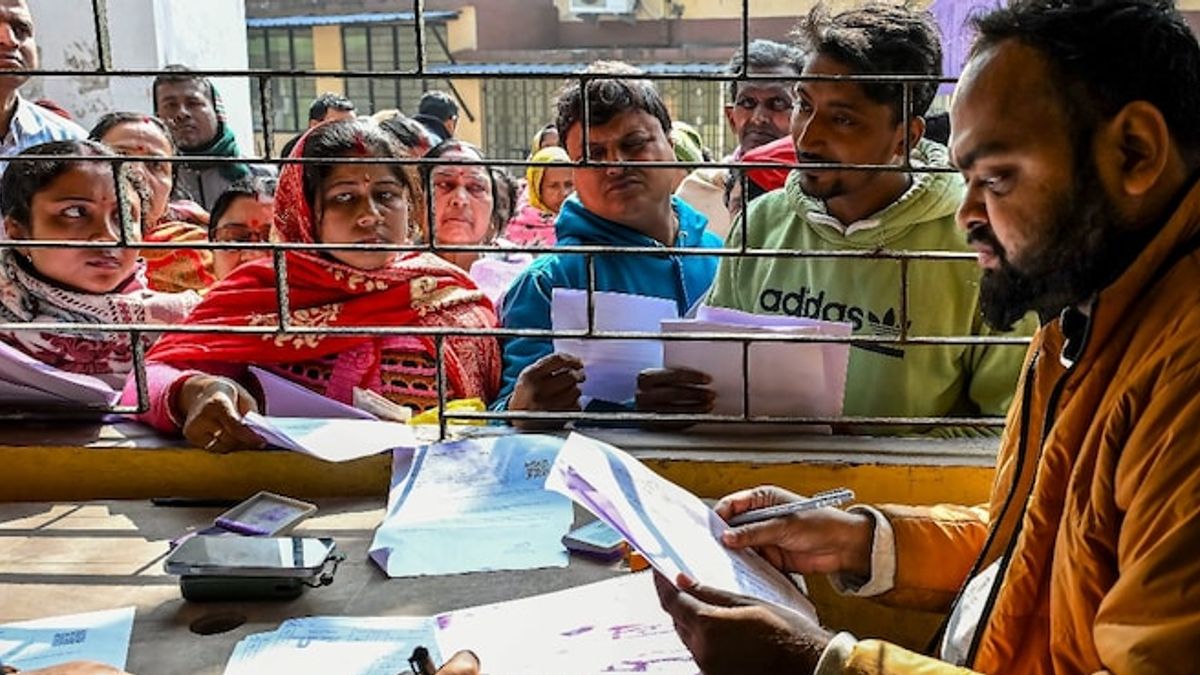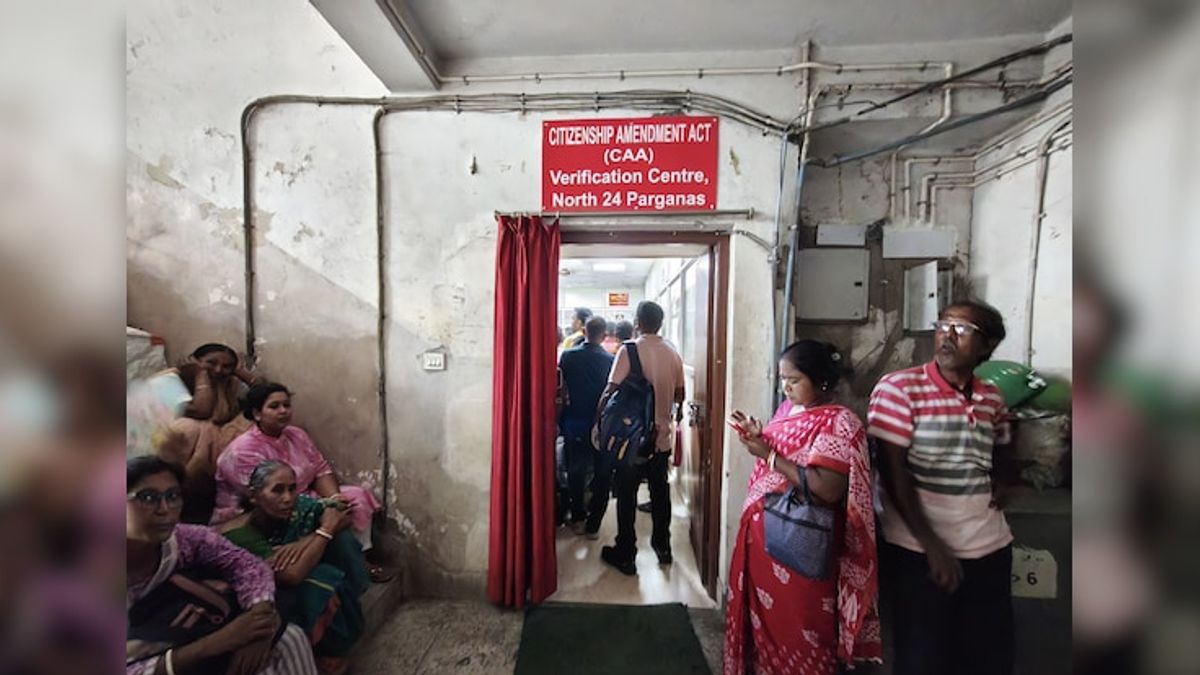
A line of weary faces snaked out of the Barasat office, waiting for their turn. They stand on the staircase steps, a makeshift audience to a bureaucratic drama that has stunned the city. The heat hangs over the crowded waiting hall, soaking in the murmurs of the displaced. A shadow of frustration lingers, stretching farther than the lines themselves. This scene moves with steady, unrelenting motion, a reminder that some questions come without resolution.
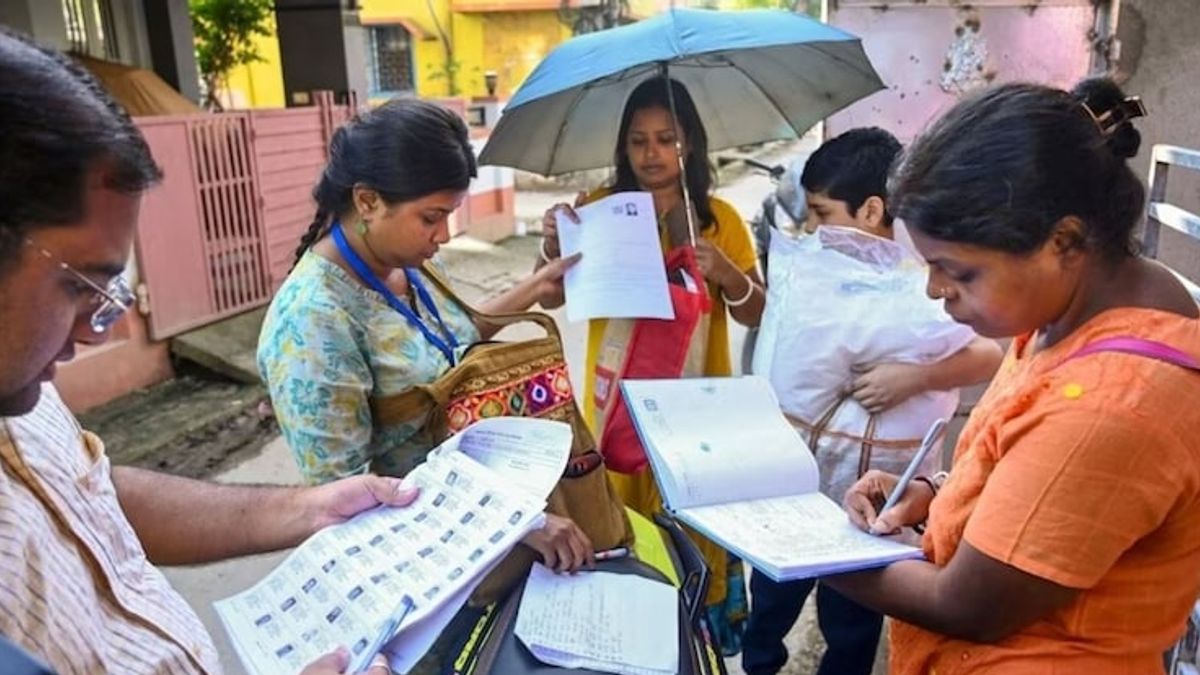
At the heart of the protest lies the Citizenship (Amendment) Act, a law that creates a hard divide between those who qualify as citizens and those who do not. Citizens of Bangladesh now must become challengers of stone, first proving their status before state officials. Some arrive barefoot, others with polished badges, all standing under the same sun that barely distinguishes them. For many, a simple birth certificate turns into a lifeline; for others, it becomes the thin thread that ties their past to a future of uncertainty. And yet, the paper trail has never been thicker.
Just last week, Chief Minister Suvendu Adhikari spat out a warning that turned the headlines: “Detect, delete, and deport.” He called off the old legal dance, telling police that any infiltrator caught will be handed over to BSF for immediate deportation. That blunt message erupted like a fired bullet in the mind of the crowd. The atmosphere here darkened as the Central Border Guard accepted a hundred metres of land for fences. The state’s anti‑infiltration engine now turns cold gears, preparing for a new round of sacrifices.
The law itself is the most heated puzzle yet. It seeks to natively welcome persecuted minorities from neighboring countries while simultaneously declaring “illegal” all those who lack solid documentation. The promised compassion, it seems, has a cost: a path that sifts through paper before values can be examined. The effect on the many is unmistakable: the once warm embrace of legal migration is now a row of checkpoints, each with a job to validate or deny.
In front of the building, journalists scribble notes. Witnesses speak in low voices about the tales of those who lost families abroad, only to now risk deportation because the paperwork doesn’t match. Crowd chants, heavy with distrust, ripple through the courthouse. In the back, a lonely man ghints at his paperless life, clutching an old photograph. The state’s promise of safety now feels like a promise echoing in empty rooms. He wonders if the law is a shield or just a sword drawn against the innocent.
What becomes of those who, bearing the weight of past certainties, step forward only to see their dreams half‑shadowed? Who will decide if the law protects or punishes? The gates of Barasat, locked by the law's grin, hold answers that can either quell or fan the fire of uncertainty within the margins of a speculative future. The final question lingers — will the law claim compassion or compromise?