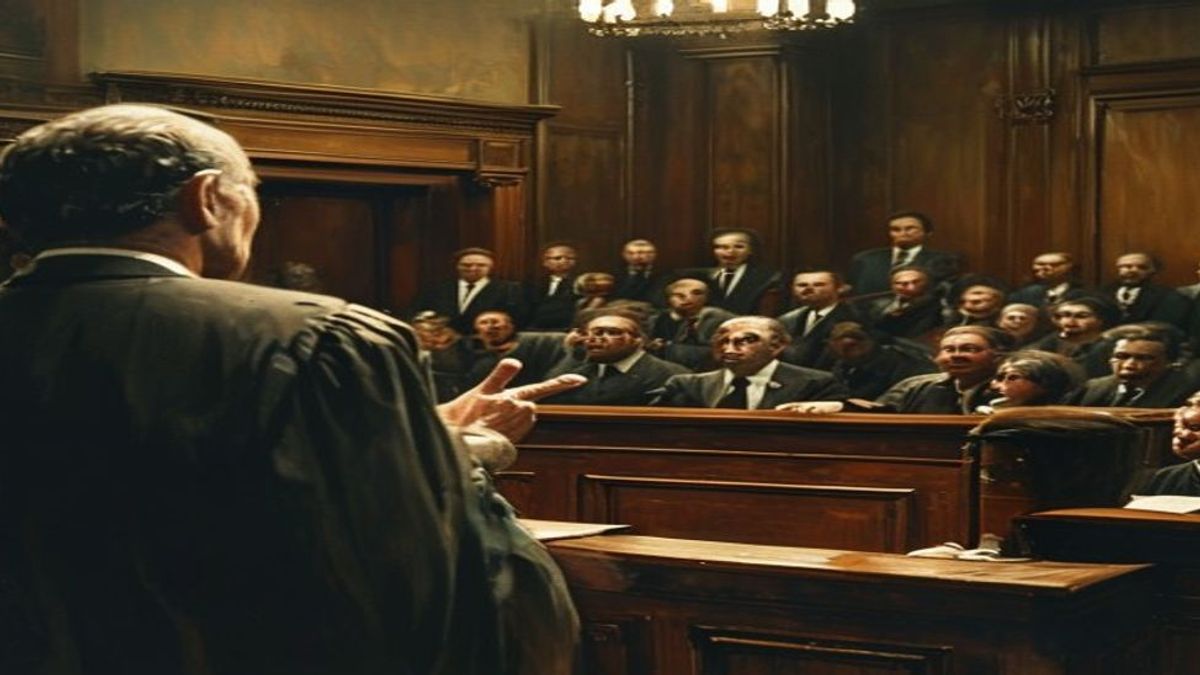
The final verdict was read, and the courtroom held its breath. Musk’s attorneys had wheeled their case forward, but the jury said no. The judge’s gavel rang, echoing through the thick, silent air. The decision—to dismiss all claims—settled a high‑profile spat with a quiet, unambiguous note.
OpenAI began as a nonprofit, with a promise to shepherd artificial intelligence toward public good. Musk, an early supporter, joined the board in 2015, helping shape its early direction. He and Altman, the company’s chief executive, once shared the same excitement. The shift to a capped‑profit model in 2019 sparked doubt. Musk argued it betrayed their founding promise.
In its suit, Musk alleged that Altman and a handful of top scientists violated fiduciary duty by turning OpenAI into a profit‑focused behemoth that rowed the organization’s mission into murky waters. He claimed they cashed in on breakthroughs, using their positions to secure deals that raised private capital. The lawsuit pushed for the removal of Altman, arguing the company deserved a different leader.
But the jury found the evidence thin. They ruled the claims unsubstantiated, rejecting Musk’s request for removal. The bench noted no material breach of duty had been shown. The decision rests on the weight of the evidence presented – or rather, the lack thereof.
The ruling keeps Altman at the helm, allowing OpenAI to continue steering its research under the current charter. Musk’s influence wanes, at least for now, in the face of the legal setback. The company’s path forward remains largely unchanged, though questions about governance and transparency linger.
Will the next wave of AI scrutiny settle on the shoulders of tech titans, or will fresh voices step in to keep the mission in check?