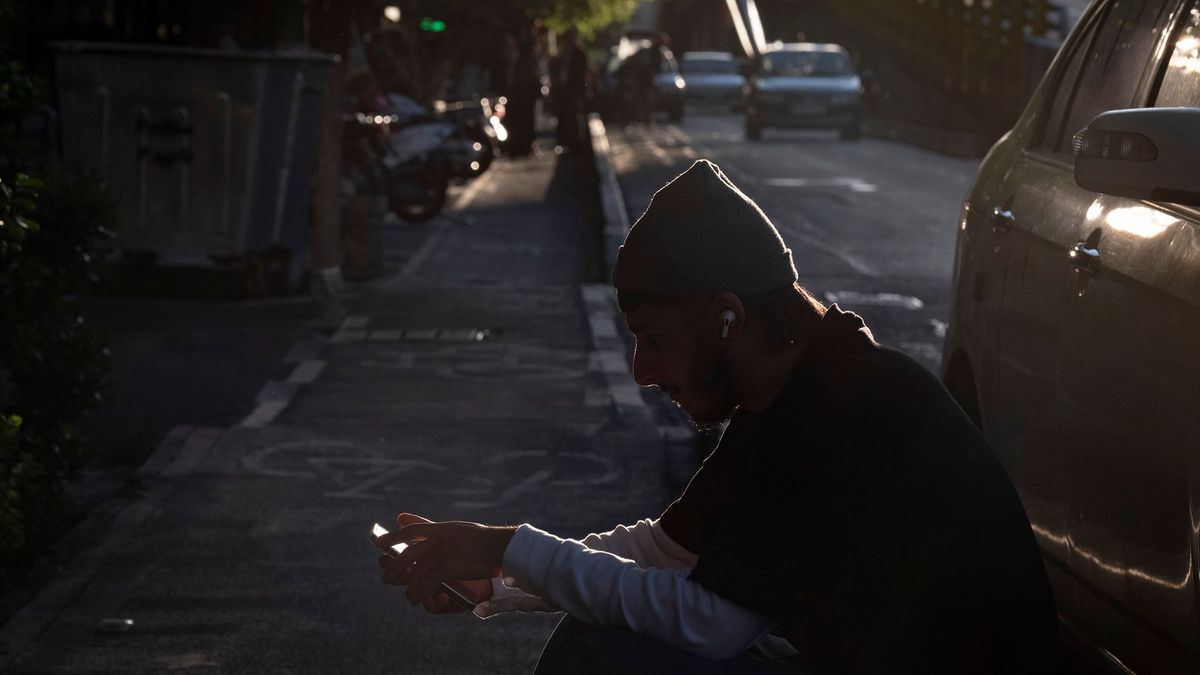
At 3 a.m., the hush that had wrapped Tehran for almost 90 days was broken by a trembling surge of packets. A citywide router, reactivated overnight, pulsed data through cables that had been dashed with static.
The blackout began just after the last clandestine meeting of the opposition. For three months, phones were silent, messaging apps froze, and the nation’s digital heartbeat was gone. People had to resort to paper telegrams and offline diaries.
Web‑watch groups, like the independent NetScope collective, logged the rebirth of connection. They pinged Tehran’s fiber routes, noting a faint, irregular flow that smiled back at their probes. The signal seems spotty, sometimes disappearing for a few seconds before re‑emerging—a dance that holds more uncertainty than certainty.
But here's the problem: if the infrastructure is only partially restored, the government can still clamp down on specific sites or protocols. Internet can slip between wires and be dialed back without fans realizing.
Truth is, a spirited connection does little if it’s blood‑high on traffic controls. Even if the signal steadies, the state can weaponize throttling or block entire domains. For activists, every click could still be monitored; for journalists, every headline might be scrubbed. The only permanent thing is the power to question it.
Meanwhile, abroad, promoters of open‑source tech brace for two parallel realities: a tentative restoration of flow and a concrete playbook for censorship. Whether Iran will emerge from the blackout with a resilient net or a brittle, selectively opened one remains unclear. Even as routers learn to wake from the dark, questions hang thickly over the city—are we in for a lasting freedom of the web, or a curated sandbox that merely glows on the surface?