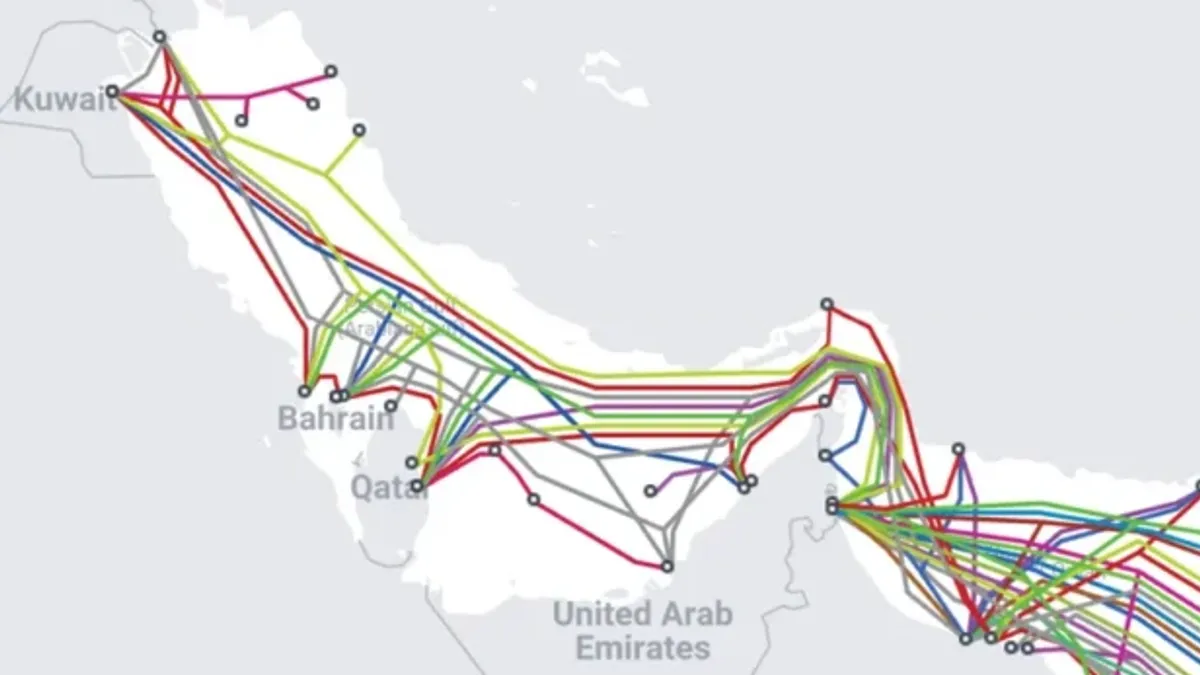
Iran’s new decree says U.S. firms must pay fees for undersea cables. That was the headline that stirred the tech world this morning. The notice came suddenly, signed by the Ministry of Communications, and demands a monthly fee for every 10 miles of cable near the Strait of Hormuz.
Truth is, the Strait is more than a waterway; it’s a digital artery. Roughly 15 percent of the world’s fiber-optic traffic threads through those narrow 70‑kilometer straits. A single submarine cable can carry between 25 to 30 terabits per second, and giants like Google, Facebook, and Alibaba rely on a 290‑mile stretch to reach Europe and Asia. Iran’s letter made it crystal clear: if a cable crosses our waters, we get a share of the profit.
Meanwhile, the backlash has already spurred a scramble for alternative routes. U.S. operators are lining up overland fiber across the Caspian and also pushing for vertical‑air delivery of satellite beams to keep data flowing. That has a domino effect: socket costs balloon, insurance premiums climb, and the policy grey‑area of “foreign jurisdiction fees” expands to digital terrain. It's nothing like the old oil tolls; this is a question of rights to data passage.
But here's the problem: the move could backfire on Iran’s own connectivity. The country is already nurturing a domestic internet mesh that excludes satellite. If global traffic falters, pressure will mount on Tehran to open the undersea lanes further or else face an isolation of cross‑border traffic. The world expects freeflow, not a new “digital toll road.” And yet Tehran may be betting that by forcing a fee, they can squeeze a bite out of competition while still reaping profits from billions of data streams.
Geopolitically, this tug‑of‑war feels familiar. Policy makers in Washington plot to keep the Gulf open. A potential ripple could trigger other nations to claim similar rights over critical undersea routes—think the Suez Canal for submarine cables. In the end, the cost of data could eclipse the cost of oil, and the next chapter might involve more of our economy running on black silk than on steel.
And yet, will the world accept paywalls built beneath the Gulf? Will corporate cables heed a sovereign claim to a narrow slice of sea, or will every data packet move through a more transparent, unregulated ocean? The question hangs in the air like a packet, waiting for a reply.