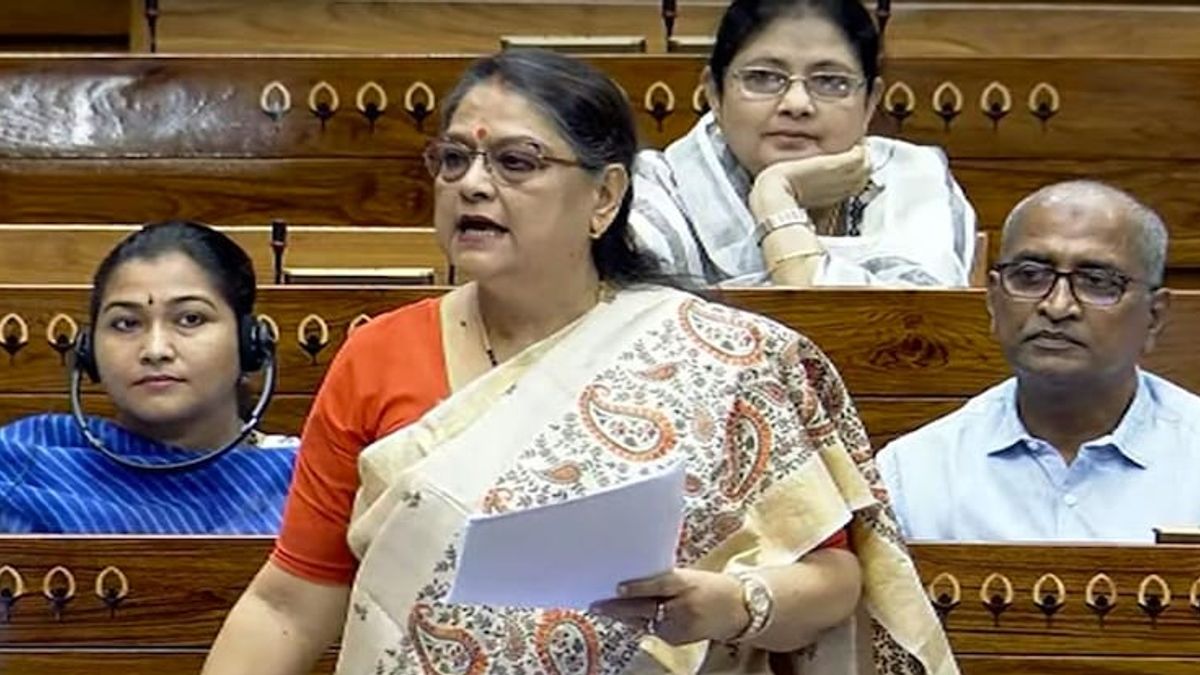
“They had absolutely no manners,” declared Kakoli Ghosh Dastidar, a former Barasat district president who had stepped down from the post. Her words, sharp as a campaign deadline, hit hard in a heated forum where she had called the Indian Political Action Committee (I‑PAC) rude and disrespectful toward TMC volunteers. The MP, who voted for the parliamentary division, refused to soften her stance, proclaiming that I‑PAC acted like a rogue squad under no direct control from Mamata Banerjee.
Truth is, Dastidar’s gripe centers on the treatment of grassroots activists. “These workers... aren't servants. We don't pay them a salary; they work out of love for Mamata didi and the party,” she said. The criticism digs into I‑PAC’s alleged arrogance, a self‑titled “higher authority than even the Prime Minister.” She paints a picture of a consultancy that broke etiquette and built tension inside the team. Their misstep? Treating volunteers like expendable chess pieces rather than equal partners.
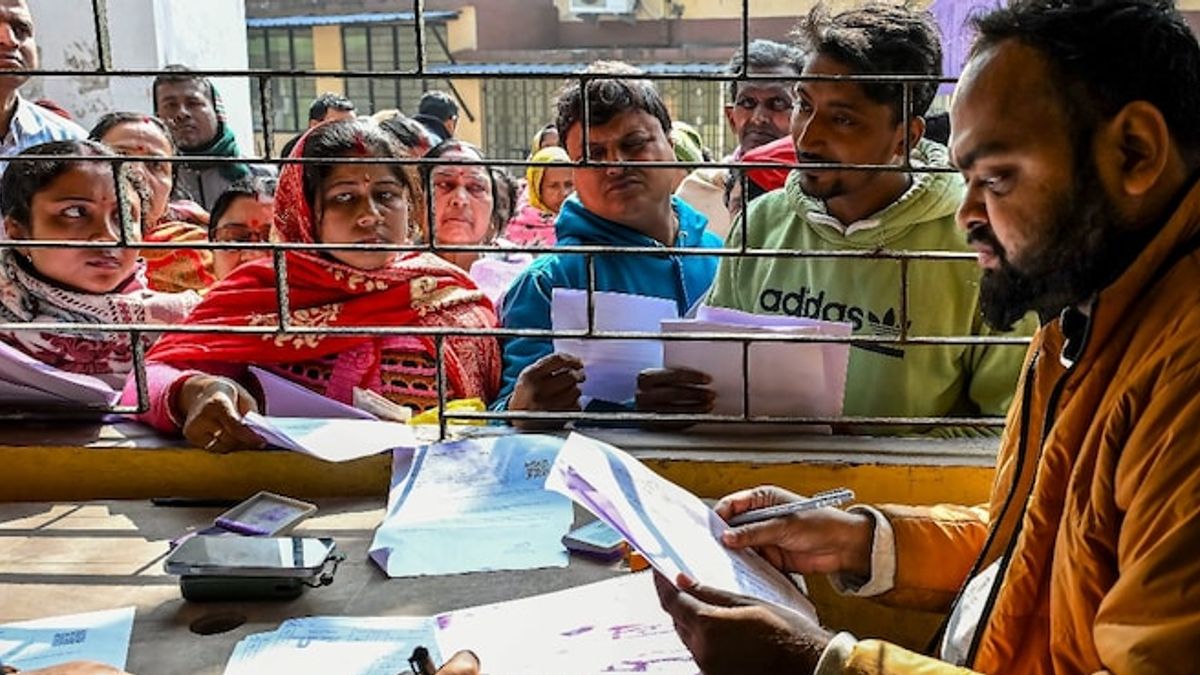
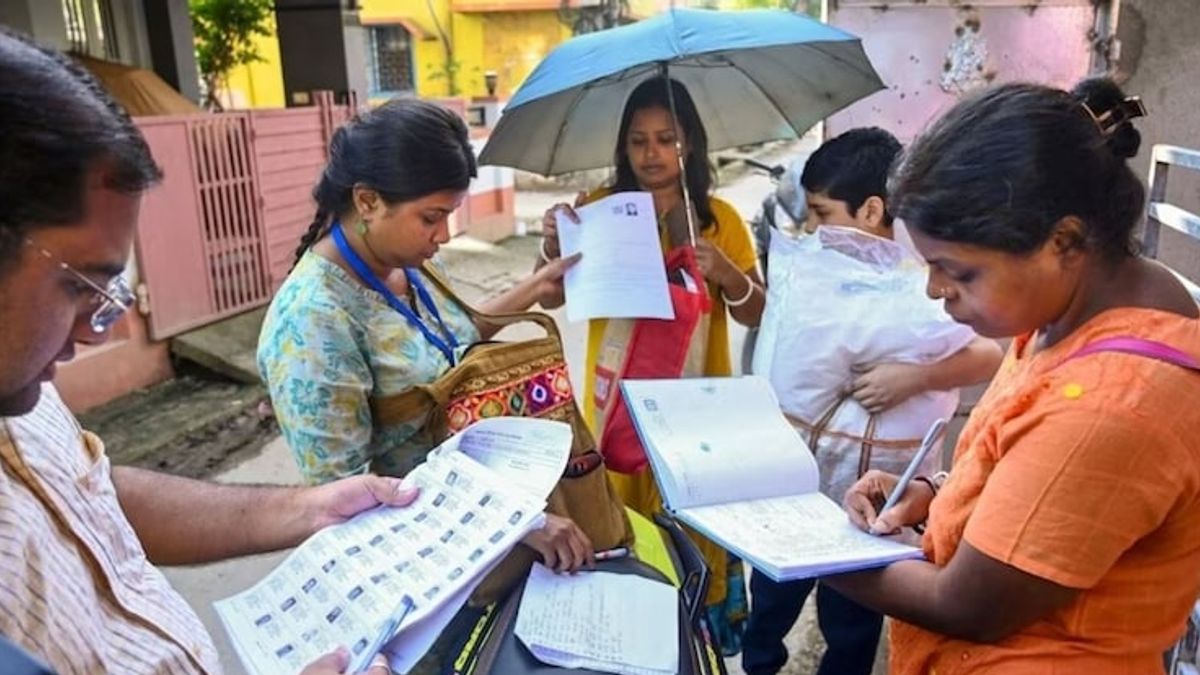
Meanwhile, the fight rattled the Barasat Parliamentary constituency. TMC lost five of seven assembly seats there, a setback the MP cites to “the cumulative effect of anti‑incumbency and Special Intensive Revision of electoral rolls.” The region once a TMC stronghold feels the tremors of a changing political rhythm. I‑PAC, a separate entity in her view, oversaw campaign management, and her words hint that they lacked the on‑the‑ground trenches that seasoned TMC fighters needed.
Still, the analysis shows a binary divide between institutional loyalty and outsourcing reliance. “In the 2026 elections, the responsibility for managing the campaign lay with an external agency—I‑PAC,” she noted. Her “lack of experience of fighting elections” argument points to a core competency gap. In contrast, the TMC’s own, long‑standing tradition of fieldwork stands as a counterpoint. The implication? Outsourcing may be a double‑edged sword, delivering fresh perspective while risking alienated supporters.
But here’s the problem: when a party’s own volunteers feel slighted, the ripple reaches voters who see dull enthusiasm morph into visible friction. Dastidar’s criticism foreshadows a crack in the facade that could widen in future elections. The possible fallout? Not just a public relations hiccup but a potential erosion of the party’s grassroots backbone.
And yet, the story doesn’t end with a single February meeting. The episode underscores a broader debate within Indian politics: how much control should a leader retain over outsourced campaign agencies? Dastidar calls for that control, claiming I‑PAC is “a distinct entity.” Whether that translates into policy change or another round of public disagreement remains to be seen. The question lingers: will TMC’s next show force the GOP to rebuild trust from where it begins—on the ground?