When a senior parliamentarian raised the idea of a joint national entrance exam, the room fell silent. The proposal was presented amid fresh protests over the leaked NEET‑UG 2026 paper and a growing chorus calling for tighter safeguards. That single question—“Can we combine JEE and NEET?”—has sparked a sharp debate across the political and academic landscape.
The idea sprouted from a 2023 report by a high‑level committee chaired by former ISRO chief Dr. K. Radhakrishnan. The panel was set up after the 2024 NEET paper irregularities and was asked to sketch a roadmap for all National Testing Agency‐led exams. Their findings were simple: one unified framework could reduce fraud, streamline administration, and create a fairer test for aspirants. They called for harmonisation that would still keep discipline‑specific sections—math for engineering, biology for medicine, and a passing score that cuts across both.
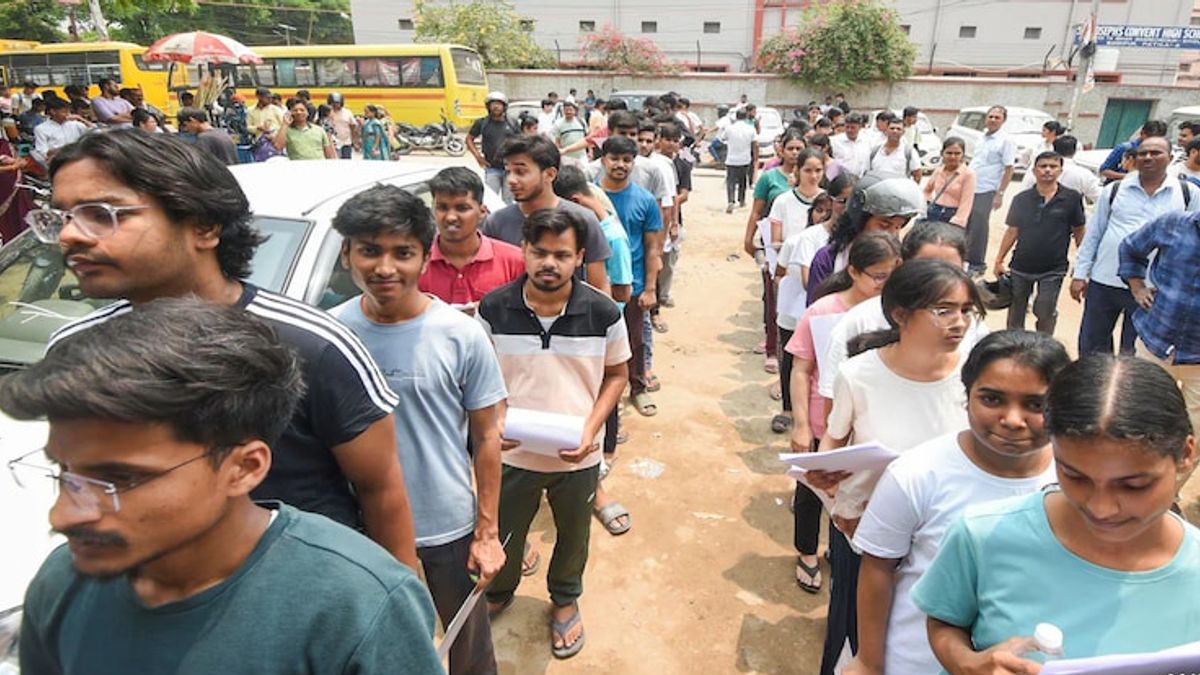
Proponents argue the single system would shave weeks off the admission cycle and lower the burden on students. They picture a test where the first half covers physics, chemistry, and math, while the second half splits into biology for Med and engineering math for JEE. Students would only book one date, one exam centre, and one score sheet. The proposal also includes stricter eligibility limits: a cap on attempts and a lower age threshold, which the committee believes will curb repeated cheating attempts.
Not everyone is on board. Critics claim merging the exams could dilute the depth of each field’s preparation. “If you put physics, biology, and applied maths in the same room, you risk overcharging the exam or hurting specialist content,” one senior professor warned. Others fear logistical nightmares: a single test of that scale would demand next‑generation infrastructure and robust security protocols, all while the educational system grapples with high‑stakes exam leaks and mounting student anxiety.
The government, however, is listening. A white paper drafted this month lists the committee’s recommendations and quotes parliamentarians backing the “single test” idea. It stays silent on timelines but hints that the next academic cycle may see the framework in action. Meanwhile, the National Testing Agency has pledged to roll out pilots for a joint exam by 2026, right in time for the next intake.
For students, the stakes are high. A unified exam could mean less confusion but also a heavier lift if the test becomes broader. The question now is whether the promise of a single test outweighs the risk of shuffling a complex puzzle into one box.
Will India’s exam culture shift into a single national test, or will the current bifurcated system survive the scrutiny? The answer could reshape the future of higher‑education admissions for generations to come.