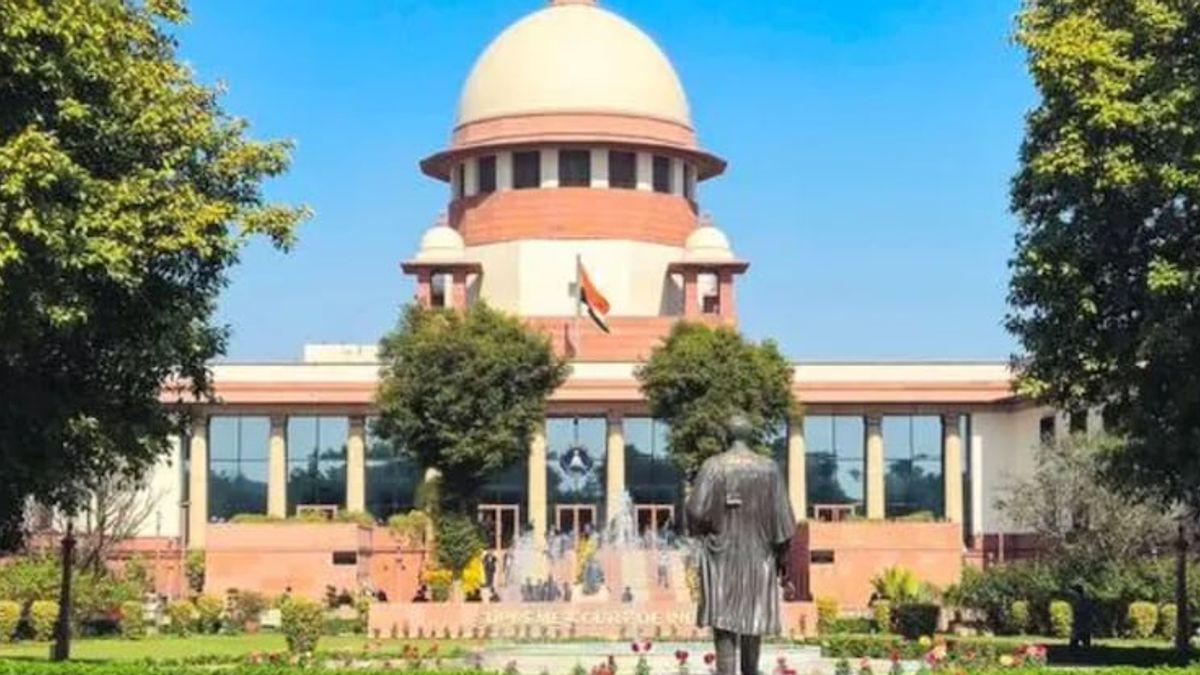
Both parents are IAS officers. Then why still grants reservation to their kids? The Supreme Court’s bench, led by Justice BV Nagarathna, took aim at the “creamy layer” loophole that lets high‑earning families tap into OBC benefits. It underscored that when households reach a certain income and education bar, they are, arguably, already part of the upward‑moving class where reservations no longer serve a purpose.
In the hearing, Justice Nagarathna offered his take on a petition challenging a Karnataka High Court ruling that blocked a candidate from a Kuruba family, classed as Category II(A), from claiming reservation as a civil‑engineering assistant. The candidate’s parents both work for the state government. The central question: does the economic lift these families enjoy erase the original intent of reservation?
“If we keep giving a quota that’s meant for the truly disadvantaged, will the system lose credibility?” she said, pointing to the “creamy layer” concept. That phrase has long meant excluding those whose income exceeds a set threshold. Yet critics argue the rule falters when families with intact civil‑service status still apply for benefits. The bench's comments could signal a tightening of eligibility rules, a move that might narrow slots for a host of OBC candidates who are not yet financially secured.
Whatever the outcome, the debate touches on a broader issue: can a single quota really keep up with the fast‑growing middle class? When a family’s wealth grows, they may still face systemic biases—like stricter entry exams—but the court’s point is that reservations are designed to smooth barriers that economic clout itself cannot erase. The question becomes whether the state should allow anyone with an IAS family background to leap into the same quota system they used earlier or if the system should stay reserved for those still struggling to make ends meet.
The Supreme Court sandwiching the point between a straightforward objection and a sharp inquiry echoes the thickening fight over reservation lines. A decision could broaden the “creamy layer” cut‑off, leaving more families disqualified; or it could be a red flag issued for a policy that keeps evolving. Meanwhile, media pundits and political houses split over the idea: some see the move as a win for merit; others warn it risks ignoring discriminatory roots. Why don't we let the numbers decide if these families still face real barriers?