“The shadows faded as the lawyer’s voice crackled through the courtroom, saying, ‘He’ll hand himself in.’” The brief, urgent statement cut through the usual legalese and sent a ripple across the benches. That man, last seen leaving the state on May 12, had become a ghost in the corridors of justice. Now, the High Court is still waiting to see him.
In the day’s proceedings, the lawyer confirmed he would withdraw Singh’s anticipatory bail plea. The gambit suggests the husband, the alleged murderer of Twisha Sharma, is finally abandoning his evasive tactics. For ten days, he roamed like a fugitive, and suddenly someone in his corner decided the short game was over. The court’s eye is now fixed on his next move.
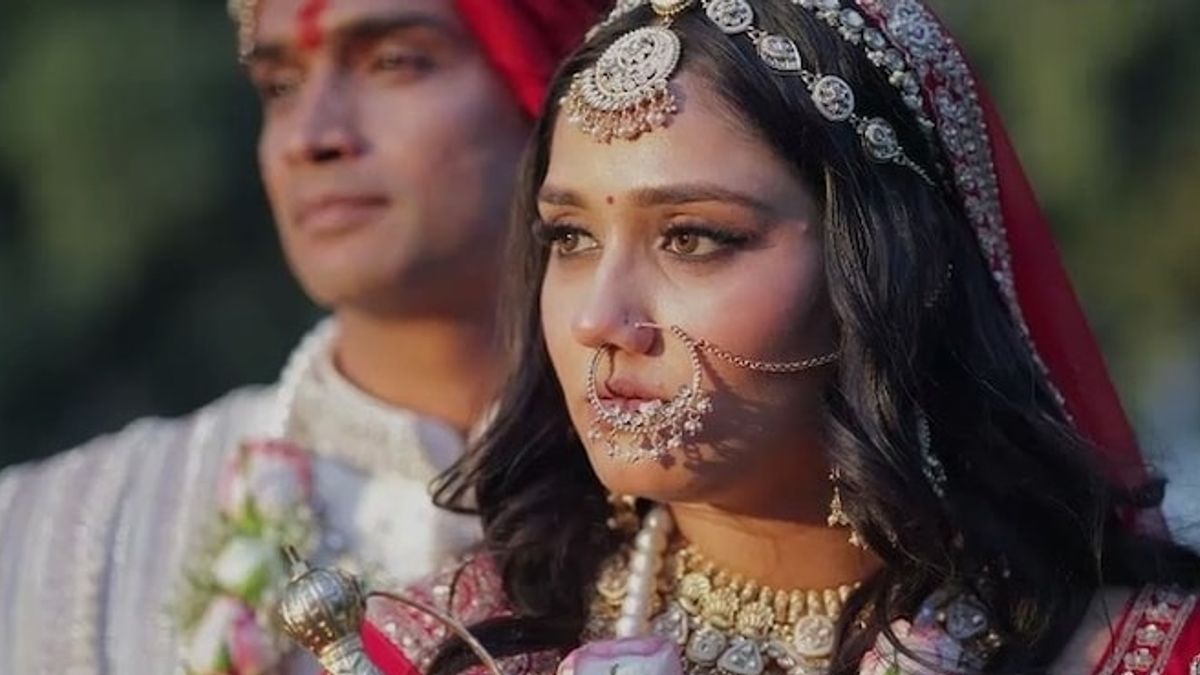
Stories about Twisha have threaded through the public consciousness for months. Both families are still hunting for answers, and the court accepted a twist: a second autopsy is now on the table. The attorney for the complainant urged, “Time is ticking fast.” The High Court nods, reopening the debate that medical experts, politicians, and the press have all sat around. The first postmortem enrolled at AIIMS, the joint hospital, remains the most voiced release. But the drum keeps beating.
Down the line, a lawyer standing beside Giribala Singh – Twisha’s mother‑in‑law – opposed the request. “Seeking a second postmortem is an insult to the medical fraternity,” a cornered counsel argued. He laced the argument with the fact that AIIMS doctors had “already conducted” the examination. The message was clear: a duplicate probe is a doubting whisper over the practice of competent doctors.
Solicitor General Tushar Mehta, who stepped into the fray later, adopted a softer stance. “The impartiality of the doctors is exemplary,” he declared, protecting the reputation of the national institute. But he also left a gate open: “If the victim’s family feels something is missing, a second opinion can be sought.” The verdict sets a narrow corridor that allows a future revisit while vouching for the original findings.
And yet the plot thickens. Singh’s counsel balanced the case’s legal angles with a belief that the daughter‑in‑law’s body should not be left to decompose. “She was the daughter‑in‑law of our family. It is our duty to perform her last rites,” the lawyer stated, stressing the cultural weight that supports swift re‑entombment. The argument livens up the debate between procedural delays and cultural expectations.
Between procedural obstinacy and family rights, this court trace keeps turning the page, while the nation watches, cusps of suspicion curling into the streets. Will the man finally surrenders, or will the shadows stay and the truth stay hidden?